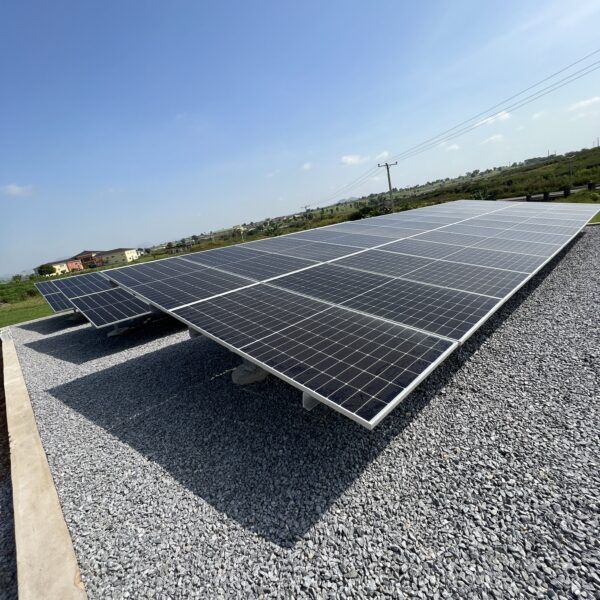
Solar panels work hard every day. They convert sunlight into electricity and help reduce energy costs. However, many people forget that solar panels also need regular cleaning.
Dust, dirt, bird droppings, leaves, and other debris can build up over time. As a result, less sunlight reaches the solar cells. Consequently, your system may produce less power than expected.
The good news is that cleaning solar panels is simple when done correctly. In this guide, we will explain how to clean solar panels properly, why it matters, and the best practices for maintaining peak performance.
Why Clean Solar Panels Matter
Solar panels perform best when sunlight reaches the surface without obstruction.
When dirt accumulates, it creates a barrier. Therefore, the panels generate less electricity. Even a thin layer of dust can reduce efficiency over time.
This is especially important in Nigeria. During the dry season, dust and Harmattan particles can quickly cover panel surfaces.
Regular cleaning helps:
- Improve energy production
- Increase system efficiency
- Extend panel lifespan
- Reduce long-term maintenance costs
- Maximize return on investment
Above all, clean panels help you get the most from your solar system.
How Dirty Solar Panels Affect Performance
Many homeowners assume rain will clean their panels completely. However, rain often leaves behind dust, stains, and mineral deposits.
Furthermore, bird droppings and leaves may remain stuck to the glass surface.
For example, a business owner may notice batteries charging more slowly than usual. The issue may not be the batteries at all. Instead, dirty panels may be limiting energy production.
Over time, this reduced output can affect:
- Battery charging
- Appliance performance
- Backup duration
- Overall system efficiency
Therefore, regular cleaning should be part of every solar maintenance routine.
How Often Should Solar Panels Be Cleaned?
There is no single answer.
The cleaning frequency depends on your environment.
Generally, solar panels should be inspected every month and cleaned when necessary.
You May Need More Frequent Cleaning If:
- You live in dusty areas
- Harmattan season is active
- Trees are nearby
- Birds regularly perch on the roof
- Construction work is ongoing nearby
Typical Cleaning Schedule
- Residential homes: Every 3–6 months
- Commercial properties: Every 2–4 months
- Dust-prone areas: Monthly inspections
Meanwhile, regular visual checks help identify dirt buildup before it affects performance.
Best Time to Clean Solar Panels
Timing matters.
Never clean solar panels during the hottest part of the day.
The glass surface can become extremely hot under direct sunlight. Consequently, sudden contact with cold water may create thermal stress.
The best times are:
- Early morning
- Late afternoon
- Cloudy days
These conditions make cleaning safer and more effective.
Furthermore, water dries more slowly during cooler periods, reducing streaks.
Tools Needed for Solar Panel Cleaning
You do not need expensive equipment.
In fact, simple tools often work best.
Recommended Cleaning Tools
- Soft brush
- Microfiber cloth
- Soft sponge
- Clean water
- Hose with gentle spray
- Extension pole if needed
Avoid Using
- Wire brushes
- Abrasive pads
- Strong detergents
- Harsh chemicals
- Pressure washers
These items can damage the protective glass surface.
Above all, use gentle cleaning methods.
Step-by-Step Guide: How to Clean Solar Panels Properly
Following the correct process helps protect your investment.
Step 1: Turn Off the System
Safety comes first.
Before cleaning, follow the manufacturer’s shutdown procedure.
This reduces electrical risks during maintenance.
If you are unsure, contact a qualified technician.
Step 2: Inspect the Panels
Look for visible dirt.
Check for:
- Dust buildup
- Leaves
- Bird droppings
- Mud
- Tree sap
Also inspect for cracks or physical damage.
If damage is found, avoid further handling and seek professional assistance.
Step 3: Remove Loose Debris
Use a soft brush.
Gently sweep away:
- Dry leaves
- Dust
- Small twigs
Do not apply excessive force.
Gentle movements prevent scratches.
Step 4: Rinse with Clean Water
Use a hose with low pressure.
Allow water to loosen remaining dirt.
Furthermore, rinsing first reduces the risk of scratching the surface during wiping.
Avoid high-pressure washers.
Strong pressure may damage panel seals.
Step 5: Clean the Surface
Use a soft sponge or microfiber cloth.
Wipe gently in circular motions.
Focus on stubborn spots such as:
- Bird droppings
- Dust stains
- Sap deposits
If necessary, use mild soap mixed with clean water.
However, avoid harsh cleaning products.
Step 6: Final Rinse
After cleaning, rinse thoroughly.
This removes any remaining residue.
Consequently, the panel surface stays clear and streak-free.
Step 7: Allow Panels to Dry
Let the panels air dry naturally.
Alternatively, use a clean microfiber cloth.
Once dry, inspect the panels again to ensure all dirt has been removed.
Common Mistakes to Avoid
Many solar owners accidentally damage their panels during cleaning.
Fortunately, these mistakes are easy to avoid.
Using Abrasive Materials
Rough brushes can scratch the glass.
Even small scratches may reduce efficiency over time.
Walking on Solar Panels
Never step on panels.
Solar panels are strong but not designed to support body weight.
This can crack cells and damage internal components.
Cleaning During Peak Sunlight
Hot surfaces increase the risk of damage.
Additionally, water evaporates too quickly.
As a result, streaks and mineral deposits may form.
Using Harsh Chemicals
Strong chemicals may damage protective coatings.
Instead, use clean water and mild cleaning solutions.
Safety Tips for Cleaning Solar Panels
Roof work always involves risk.
Therefore, safety should never be ignored.
Important Safety Guidelines
- Use stable ladders
- Wear non-slip footwear
- Avoid cleaning during rain
- Never work alone
- Use fall protection where necessary
- Turn off the system before cleaning
If the panels are difficult to access, hire professionals.
Safety is always worth the investment.
When Professional Cleaning Is Recommended
Some situations require expert assistance.
Professional solar technicians have the proper tools and training.
Consider professional cleaning if:
- Panels are difficult to reach
- The roof is steep
- Panels have stubborn stains
- Large commercial systems are involved
- Physical damage is suspected
Furthermore, professional inspections often identify issues before they become expensive repairs.
Additional Maintenance Tips
Cleaning is only one part of solar maintenance.
For best performance, also:
- Monitor inverter displays
- Check battery health
- Inspect wiring connections
- Look for loose mounting structures
- Track daily energy production
Small checks can prevent major problems later.
Meanwhile, regular servicing keeps the entire system running efficiently.
Real-Life Example
Imagine two identical solar systems.
One owner cleans the panels regularly. The other ignores maintenance.
After several months, dust accumulates heavily on one system. Consequently, energy production drops significantly.
Meanwhile, the clean system continues operating near peak efficiency.
Over several years, this difference can translate into substantial energy savings.
That is why proper maintenance matters.
Why Jeho Ashar Energy Recommends Regular Cleaning
At Jeho Ashar Energy, we understand that solar systems are long-term investments.
Regular cleaning helps customers maximize energy output and system reliability.
In addition, proper maintenance extends equipment lifespan and improves overall performance.
A well-maintained system delivers more value, better battery charging, and greater peace of mind.
Conclusion
Learning how to clean solar panels properly is one of the simplest ways to improve solar performance.
Dust, dirt, leaves, and bird droppings can reduce efficiency over time. However, regular cleaning helps maintain maximum sunlight absorption and energy production.
Furthermore, following proper cleaning techniques protects your equipment from unnecessary damage. Combined with routine inspections and professional servicing, clean solar panels contribute to a more reliable and efficient solar system.
Final Thought
Your solar panels work every day to power your home or business. Give them the care they deserve, and they will continue delivering clean, reliable energy for many years to come.

Living in a dusty area, I’ve noticed my panels perform much better right after a cleaning. This post really underscores how important regular maintenance is for keeping efficiency high, especially during dry seasons when dust builds up quickly.