
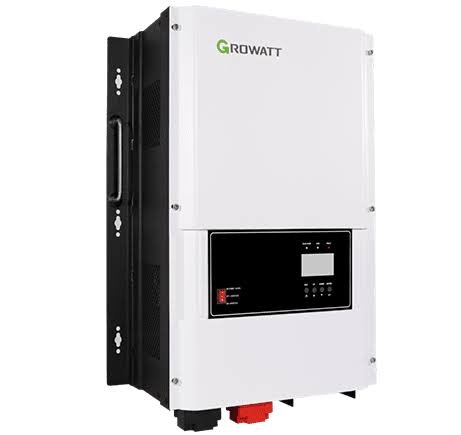
Power outages have become a common challenge for many Nigerian homes. As a result, more homeowners are investing in solar energy and inverter systems. However, one question comes up repeatedly: Can one inverter power an entire house?
The simple answer is yes—but it depends. The size of the inverter, your daily electricity consumption, the number of appliances you use, your battery capacity, and your solar panel output all play important roles. Therefore, choosing the right inverter is more important than simply buying the biggest one available.
In this guide, you’ll discover how inverter capacity works, what determines whether one inverter can power your entire home, common mistakes to avoid, and how to choose the right solar solution. At Jeho Ashar Energy, we help homeowners across Nigeria design reliable solar systems using genuine Deye and Growatt inverters, premium Jinko solar panels, and high-performance lithium batteries. You can learn more at https://www.abujasolar.com.
What Does an Inverter Do?
An inverter is the heart of a solar power system.
It converts the electricity stored in batteries or produced by solar panels into usable power for your household appliances. Modern hybrid inverters also manage charging, battery storage, and automatic switching between solar energy, batteries, the national grid, and generators.
Without the right inverter, even the best solar panels cannot deliver electricity efficiently.
Can One Inverter Really Power an Entire House?
Yes, one inverter can power an entire house if it is correctly sized.
However, the answer depends on several important factors. A small apartment has very different energy needs than a large duplex. Likewise, a home with multiple air conditioners, freezers, and water pumps requires a much larger system than one that mainly uses lights and fans.
Instead of asking whether one inverter can power your house, ask whether the inverter is properly matched to your energy needs.
Factors That Determine Inverter Size
Several factors affect whether one inverter will be enough.
Your Total Electrical Load
Start by calculating how much electricity your appliances consume.
Common household appliances include:
- LED lighting
- Ceiling fans
- Refrigerators
- Televisions
- Computers
- Air conditioners
- Water pumps
- Washing machines
- Microwave ovens
The more appliances running simultaneously, the larger your inverter should be.
Peak Power Demand
Some appliances draw extra electricity when starting.
Examples include:
- Refrigerators
- Air conditioners
- Water pumps
- Deep freezers
These temporary power surges must be considered during system design. Otherwise, the inverter may overload even though the normal running load appears acceptable.
Battery Capacity
The inverter provides power, but the batteries determine how long that power lasts.
For example, a large inverter paired with a small battery bank will still run out of stored energy quickly. Therefore, inverter size and battery capacity must always work together.
Solar Panel Capacity
Solar panels recharge your batteries and power your home during daylight hours.
Premium Jinko solar panels, available from Jeho Ashar Energy, deliver excellent performance when paired with genuine Deye or Growatt hybrid inverters.
Typical Inverter Sizes for Homes
Different homes require different inverter capacities.
Small Homes
Typical requirements:
- 3kW–5kW inverter
- Basic lighting
- Television
- Fans
- Refrigerator
- Internet devices
Suitable for apartments and smaller households.
Medium Homes
Typical requirements:
- 6kW–8kW inverter
- Multiple televisions
- Refrigeration
- Water pump
- Air conditioner
- Home office equipment
Ideal for average family homes.
Large Homes
Typical requirements:
- 10kW–16kW inverter
- Several air conditioners
- Multiple refrigerators
- Borehole pump
- Security systems
- Entertainment equipment
- Kitchen appliances
These systems provide enough capacity for larger households with higher electricity demand.
What Happens If the Inverter Is Too Small?
Choosing an undersized inverter creates several problems.
These include:
- Frequent overload warnings
- Unexpected shutdowns
- Poor appliance performance
- Reduced battery efficiency
- Limited future expansion
For example, imagine installing a 5kW inverter in a large home with three air conditioners, two refrigerators, and a water pump. During periods of high demand, the inverter may shut down to protect itself.
Therefore, buying a slightly larger inverter is often a smarter long-term investment.
What Happens If the Inverter Is Too Large?
Many people assume bigger is always better.
However, an oversized inverter also has disadvantages.
These include:
- Higher purchase cost
- Increased installation expense
- Underutilized capacity
- Lower return on investment
The goal is not to buy the largest inverter available. Instead, the goal is to purchase the right inverter for your current and future electricity needs.
Real-Life Example
Consider a family living in Abuja.
Initially, they wanted a single inverter to power their entire house. After an energy assessment, it became clear they used:
- 25 LED lights
- Two televisions
- Two refrigerators
- Three air conditioners
- One washing machine
- One water pump
- Several laptops
- Kitchen appliances
Rather than installing a smaller system that would struggle, Jeho Ashar Energy recommended a properly sized Deye hybrid inverter with premium Jinko solar panels and lithium batteries.
Today, the family enjoys uninterrupted electricity during blackouts, lower generator fuel expenses, and reduced electricity bills.
Benefits of Using One Properly Sized Inverter
A correctly sized inverter provides several advantages.
These include:
- Reliable household power
- Better energy efficiency
- Lower electricity costs
- Reduced generator dependence
- Automatic power switching
- Improved battery performance
- Easier maintenance
- Cleaner installation
- Future expansion opportunities
These benefits make professional system design extremely valuable.
Should Every Appliance Run on Solar?
Not necessarily.
Some homeowners choose to power only essential appliances during outages.
These often include:
- Lighting
- Refrigerators
- Internet routers
- Televisions
- Fans
- Security systems
Meanwhile, high-power appliances like electric cookers or multiple air conditioners may remain connected to the national grid or operate only when sufficient solar power is available.
This approach reduces installation costs while maximizing battery runtime.
Tips for Choosing the Right Inverter
Before purchasing an inverter, consider the following:
- Calculate your daily electricity usage.
- Identify appliances that run simultaneously.
- Plan for future expansion.
- Choose genuine products.
- Match batteries correctly.
- Install quality solar panels.
- Hire experienced installers.
- Ask about warranty coverage.
- Verify after-sales support.
Making informed decisions today prevents expensive upgrades later.
Why Choose Jeho Ashar Energy?
Installing a reliable solar system requires more than purchasing an inverter.
At Jeho Ashar Energy, we design complete energy solutions based on your actual electricity needs.
Our products include:
- Genuine Deye Hybrid Inverters
- Genuine Growatt Inverters
- Premium Jinko Solar Panels
- High-performance Lithium Batteries
- Solar Mounting Systems
- Protection Devices
- Solar Cables
- Professional Installation
- Preventive Maintenance
- Technical Support
Every installation begins with a detailed energy assessment. Our engineers calculate your electrical load, battery requirements, solar panel capacity, and future expansion plans before recommending equipment.
Whether you own a small apartment, a family home, a commercial office, or a large industrial facility, we provide reliable solar solutions built for long-term performance.
Visit https://www.abujasolar.com to explore our complete range of solar products and services.
Common Mistakes to Avoid
Avoid these common errors when selecting an inverter:
- Buying based only on price.
- Ignoring future electricity needs.
- Choosing fake or substandard products.
- Underestimating appliance startup loads.
- Skipping professional system design.
- Installing incompatible batteries.
- Purchasing too few solar panels.
Avoiding these mistakes improves system reliability and protects your investment.
Conclusion
So, can one inverter power an entire house?
Yes, it certainly can—provided it is properly sized and paired with the right batteries and solar panels. A carefully designed solar system delivers reliable electricity, reduces dependence on generators, lowers electricity bills, and provides peace of mind during power outages.
Rather than focusing on the biggest inverter or the cheapest option, focus on choosing the right solution for your home’s unique energy needs. Working with experienced professionals ensures your investment performs efficiently for many years.
Final Thought
One well-sized inverter can transform your home’s energy experience. Invest in quality equipment, choose trusted installers, and enjoy reliable solar power every day.
Learn more about quality solar solutions at https://www.abujasolar.com