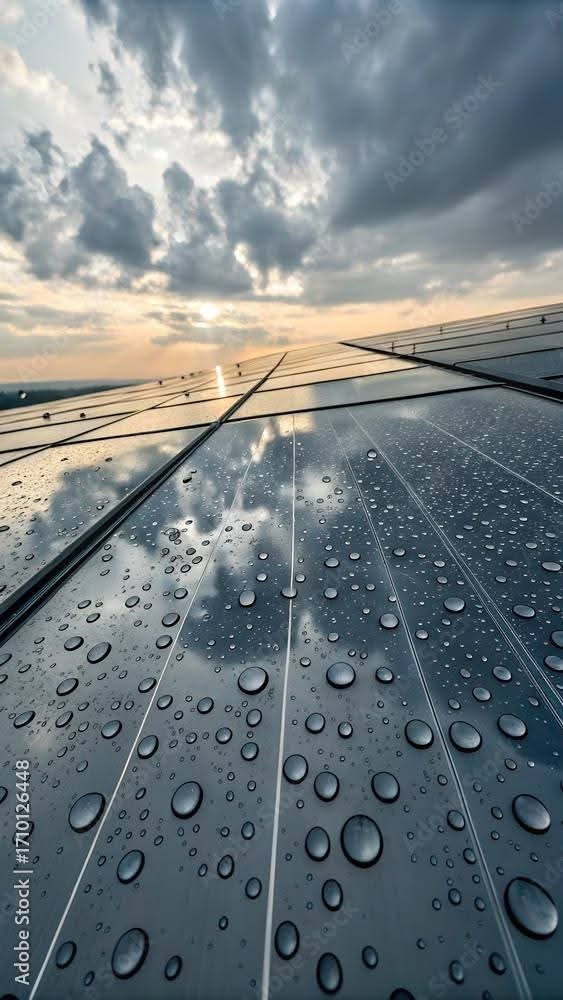
The rainy season often raises questions for people planning to invest in solar energy. Many homeowners and business owners wonder whether solar panels will continue producing electricity when the skies are cloudy. Others worry that heavy rain may damage their panels or reduce system performance.
The good news is that premium Jinko Solar panels are designed to perform efficiently in different weather conditions, including the rainy season. Although solar production naturally decreases on heavily overcast days, Jinko panels continue generating electricity whenever daylight is available. In this guide, you’ll learn how Jinko panels perform during the rainy season, why they remain reliable, and how to maximize their performance throughout the year.
Do Solar Panels Work During the Rainy Season?
The simple answer is yes.
Solar panels do not need direct sunlight to generate electricity. Instead, they convert daylight into usable power. Therefore, even when clouds cover the sun, they continue producing energy.
During the rainy season, electricity production may be lower than on bright sunny days. However, a properly designed solar system still provides dependable performance.
This is one reason why many homes and businesses in Nigeria continue relying on solar energy throughout the year.
Why Jinko Panels Perform Well in Rainy Weather
One of the reasons Jinko panels perform during the rainy season is their advanced engineering.
Jinko Solar has invested heavily in technologies that improve energy production under different weather conditions.
These include:
- N-Type Mono Technology
- HOT 3.0 Technology
- SMBB Technology
- Anti-PID Protection
- Excellent low-light performance
- Bifacial technology on selected models
Together, these features help maintain stable electricity production, even when sunlight is reduced.
Low-Light Performance
Rainy weather usually brings clouds.
Fortunately, Jinko panels are designed to capture available sunlight efficiently, even under low-light conditions.
This means they continue generating electricity during:
- Cloudy mornings
- Overcast afternoons
- Light rainfall
- Harmattan haze
- Early mornings
- Late evenings
Although total output may decrease, power generation does not stop.
Rain Helps Keep Panels Clean
Many people see rain as a disadvantage.
However, rainfall offers an important benefit.
Rain naturally washes away:
- Dust
- Dirt
- Bird droppings
- Dry leaves
- Airborne particles
As a result, cleaner panels receive more sunlight after the rain ends.
Consequently, system efficiency often improves once clear weather returns.
Performance During Heavy Rain
Heavy rainfall reduces sunlight reaching the panels.
Therefore, electricity production temporarily decreases.
However, Jinko panels continue converting whatever daylight remains into electricity.
Once the rain stops and clouds begin clearing, power production increases again.
This automatic recovery happens without any user intervention.
Built to Withstand Harsh Weather
The rainy season often includes:
- Heavy rainfall
- Strong winds
- Thunderstorms
- High humidity
Fortunately, Jinko Solar panels are built to withstand challenging outdoor conditions.
They feature durable construction designed for long-term performance.
Their design helps resist:
- Water penetration
- Corrosion
- Mechanical stress
- High wind loads
- Temperature changes
This makes them well suited for Nigeria’s changing climate.
The Role of Your Battery During Rainy Days
Solar panels are only one part of a complete solar system.
During rainy periods, your battery becomes even more important.
When sunlight decreases, stored battery energy supplies electricity to your home or business.
Therefore, combining quality Jinko panels with reliable lithium batteries provides more consistent power throughout the rainy season.
Does Rain Damage Solar Panels?
This is another common concern.
The answer is no.
Quality solar panels are specifically designed for outdoor use.
Jinko panels undergo rigorous testing to ensure they can handle:
- Rain
- Heat
- Humidity
- Wind
- Dust
- Temperature fluctuations
As long as the system is professionally installed, rainfall should not damage the panels.
How to Maximize Solar Performance During the Rainy Season
Although weather cannot be controlled, there are several ways to improve system performance.
1. Keep Panels Clean
Rain removes much of the dirt.
However, stubborn debris may still remain.
Regular inspections help maintain maximum efficiency.
2. Trim Nearby Trees
Growing branches can create additional shading.
Reducing shade allows panels to capture more available daylight.
3. Use High-Quality Batteries
Reliable battery storage becomes more valuable during extended cloudy periods.
Premium lithium batteries provide dependable backup power.
4. Monitor System Performance
Modern inverters allow you to monitor energy production.
Tracking performance helps identify any unusual issues early.
5. Schedule Routine Maintenance
Professional inspections ensure every component continues operating efficiently.
Routine maintenance also helps extend system lifespan.
Real-Life Example
Imagine two neighboring businesses using solar energy.
The first business installs genuine Jinko Solar panels with quality batteries and a professional inverter.
The second installs lower-quality equipment.
During the rainy season, both systems experience reduced sunlight. However, the Jinko system continues producing dependable electricity while efficiently charging its batteries whenever daylight is available.
Meanwhile, the lower-quality system experiences greater performance losses and reduced reliability.
Over time, the investment in premium equipment provides better value.
Why Proper System Design Matters
Even the best solar panels cannot compensate for poor installation.
Professional system design considers:
- Daily electricity usage
- Battery capacity
- Inverter size
- Panel orientation
- Roof angle
- Local weather conditions
A properly designed system delivers more reliable performance throughout every season.
Why Choose Jinko Solar Panels?
Jinko Solar has become one of the world’s most trusted solar panel manufacturers.
Their premium panels offer:
- High efficiency
- Excellent low-light performance
- Long operating life
- Durable construction
- Advanced N-Type technology
- Strong weather resistance
- Reliable long-term performance
These qualities make them an excellent choice for homes and businesses across Nigeria.
Why Choose Jeho Ashar Energy?
Choosing quality products is only one part of building a reliable solar system. Professional installation and expert system design are equally important.
Jeho Ashar Energy supplies genuine Jinko Solar panels, Deye hybrid inverters, lithium batteries, mounting structures, cables, and protection devices for residential, commercial, and industrial projects. Every solution is carefully designed to provide dependable performance throughout both the dry and rainy seasons.
In addition, the experienced team offers load assessment, system design, installation, and after-sales support. Whether you are installing a new solar system or upgrading an existing one, you can explore trusted solar products and services at https://www.abujasolar.com.
Common Rainy Season Myths About Solar Panels
Several misconceptions discourage people from investing in solar.
Let’s clear up a few of them.
Myth: Solar panels stop working when it rains.
Fact: They continue generating electricity from available daylight.
Myth: Rain damages solar panels.
Fact: Quality panels are designed to withstand heavy rainfall.
Myth: Solar is useless during cloudy weather.
Fact: Energy production decreases but does not stop.
Understanding these facts helps you make better investment decisions.
Conclusion
Understanding how Jinko panels perform during the rainy season can give you confidence when investing in solar energy. While cloudy weather naturally reduces electricity production, premium Jinko panels continue generating power using available daylight. Their advanced technology, durable construction, and excellent low-light performance make them a reliable solution for Nigeria’s changing weather conditions.
When combined with quality batteries, a properly sized inverter, and professional installation, Jinko Solar panels deliver dependable energy throughout the year. Rainy days may reduce output temporarily, but they do not stop your solar system from working.
Final Thought
Rainy weather should never discourage you from choosing solar energy. With premium Jinko Solar panels and expert installation from trusted professionals, you can enjoy reliable, clean electricity in every season.
Learn more about quality solar solutions at https://www.abujasolar.com
Good read! Sharing SaveYT () — paste a link and download free.. SaveYT
Thank you