
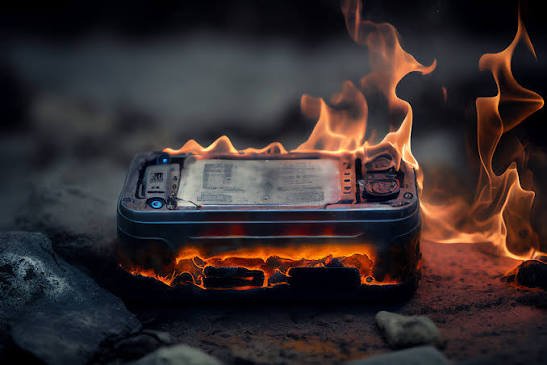
Lithium batteries power modern solar systems. They store energy efficiently and reliably. However, many people still ask an important question. Can lithium batteries catch fire?
The short answer is yes. Like many energy storage technologies, lithium batteries can catch fire under certain conditions. However, quality lithium batteries include multiple safety features. Proper installation also significantly reduces potential risks.
For solar applications, battery chemistry matters greatly. Lithium iron phosphate (LiFePO₄) batteries are widely used for energy storage. They offer strong thermal stability and reliable performance. Therefore, quality LiFePO₄ batteries are generally considered a safer choice for solar storage.
This guide explains lithium battery fire risks. It also explains prevention, warning signs, and safe installation practices.
Why Can Lithium Batteries Catch Fire?
Lithium batteries contain stored electrical energy. Under normal conditions, that energy remains safely contained. However, certain failures can cause excessive heat inside the battery.
This can lead to a condition called thermal runaway. Thermal runaway occurs when battery temperature rises uncontrollably. Consequently, the battery can release gases, smoke, or flames.
Several conditions can contribute to this problem.
These include:
- Physical battery damage
- Incorrect charging
- Overheating
- Short circuits
- Manufacturing defects
- Poor installation
- Incompatible equipment
- Improper battery management
Therefore, battery quality and system design matter significantly.
What Is Thermal Runaway?
Thermal runaway is one major battery safety concern. It occurs when heat generation exceeds heat dissipation. As temperature increases, internal reactions can accelerate.
This creates even more heat. Consequently, the process can become difficult to stop.
Thermal runaway can result from several factors. For example, severe physical damage can affect internal battery components. Excessive charging can also create unsafe conditions.
However, modern lithium batteries use protective systems. These systems are designed to detect abnormal conditions early.
Are All Lithium Batteries Equally Risky?
No, lithium batteries use different chemistries. Their thermal characteristics can therefore vary.
For solar energy storage, LiFePO₄ batteries are particularly popular. LiFePO₄ stands for lithium iron phosphate.
This chemistry offers several useful characteristics:
- Strong thermal stability
- Good chemical stability
- Long cycle life
- Reliable daily operation
- High safety potential
Therefore, many modern solar batteries use LiFePO₄ chemistry.
However, chemistry alone does not guarantee safety. Battery construction, protection systems, installation, and operating conditions also matter.
How Does a Battery Management System Improve Safety?
A Battery Management System, or BMS, is crucial. It monitors important battery conditions continuously.
The BMS can monitor:
- Cell voltage
- Battery temperature
- Charging current
- Discharging current
- State of charge
- Cell balance
If unsafe conditions occur, the BMS can respond. It may reduce charging or disconnect the battery.
For example, excessive temperature can trigger protection. Similarly, abnormal voltage can cause the battery to stop operating.
As a result, the BMS provides an important safety layer.
Can Overcharging Cause a Battery Fire?
Overcharging can create serious battery problems. It can increase stress and generate excessive heat. Therefore, batteries should always use compatible charging equipment.
A properly configured solar inverter helps control charging. Additionally, the battery’s BMS provides another layer of protection.
Never bypass battery protection systems. Do not modify charging settings without proper knowledge. Always follow the manufacturer’s specifications.
Can Extreme Heat Affect Lithium Batteries?
Yes, excessive heat can affect battery safety. High temperatures can accelerate chemical reactions inside batteries.
Nigeria experiences high temperatures throughout much of the year. Therefore, battery installation conditions deserve particular attention.
Batteries should be installed in suitable locations. Avoid direct exposure to intense heat and sunlight.
Furthermore, maintain adequate ventilation around the battery. Keep the installation area clean and unobstructed.
Can Physical Damage Cause a Battery Fire?
Physical damage can create serious risks. A damaged battery may have compromised internal components.
Avoid installing batteries with visible damage.
Watch for:
- Cracked battery cases
- Swelling
- Severe dents
- Burn marks
- Damaged terminals
- Unusual smells
- Signs of overheating
If you notice these warning signs, stop using the battery. Do not attempt repairs yourself. Instead, contact a qualified battery technician.
Warning Signs of a Battery Problem
Recognizing warning signs early is important. Some problems may appear before a serious failure.
Pay attention to:
- Unusual battery heating
- Smoke or unusual odors
- Swollen battery casing
- Unexpected shutdowns
- Repeated protection alarms
- Unusual noises
- Damaged cables
- Burning smells
However, not every alarm means fire is imminent. Nevertheless, repeated warnings should never be ignored.
How to Prevent Lithium Battery Fires
Prevention starts before installation. Choosing a quality battery is essential.
Follow these important practices:
Buy Genuine Batteries
Always purchase batteries from trusted suppliers. Counterfeit products may lack proper safety features.
Use Compatible Inverters
The inverter must support the battery properly. Communication between both systems may also be required.
Use Correct Protection Devices
Proper electrical protection helps reduce system risks. Install appropriate breakers, fuses, isolators, and other protection equipment.
Ensure Professional Installation
Battery installation should not be improvised. Qualified installers understand correct wiring and protection requirements.
Maintain Proper Ventilation
Keep the battery installation area suitable. Avoid blocking ventilation openings.
Avoid Unauthorized Modifications
Never open or modify battery electronics unnecessarily. Doing so can compromise built-in protection systems.
What Should You Do If a Lithium Battery Smokes?
Smoke requires immediate attention. Do not ignore it or continue using the battery.
If a battery shows signs of smoke, fire, or severe overheating:
- Move away from the area.
- Keep other people away.
- Disconnect power only if safe.
- Avoid touching the damaged battery.
- Contact emergency professionals.
- Follow the manufacturer’s emergency guidance.
Do not take unnecessary risks. Battery fires can produce dangerous heat and gases.
Why Deye Lithium Batteries Offer Important Safety Features
Modern Deye lithium batteries are designed for energy storage applications. Many Deye models use LiFePO₄ battery chemistry. They also incorporate Battery Management Systems for monitoring and protection.
Depending on the model, protection features can include monitoring for:
- Overcharging
- Over-discharging
- Overcurrent
- Temperature conditions
- Cell imbalance
These features help support safer operation.
However, no battery should be treated as completely risk-free. Proper installation and correct system configuration remain essential.
Lithium Batteries vs Tubular Batteries
Tubular batteries and lithium batteries have different characteristics.
Tubular batteries use lead-acid technology. Lithium batteries use lithium-based chemistry.
Lithium batteries offer several advantages:
- Higher usable capacity
- Longer cycle life
- Faster charging
- Lower routine maintenance
- Compact installation
- Intelligent battery management
Tubular batteries remain useful for certain applications. However, modern lithium batteries provide significant advantages for frequent solar cycling.
Most importantly, battery safety depends on the complete system. Product quality, installation, protection, and maintenance all matter.
Practical Solar Battery Example
Imagine a business using solar power daily. Its battery charges during the afternoon. It then supplies energy throughout the evening.
If the battery is properly sized and installed, operation remains controlled. The BMS monitors battery conditions continuously.
Now imagine the battery becomes unusually hot. The BMS detects the abnormal temperature. It can then activate protective measures.
Therefore, intelligent monitoring helps reduce potential risks.
Why Professional Installation Matters
A quality battery still needs proper installation. Incorrect wiring can create unnecessary electrical risks.
The installer must consider:
- Battery voltage
- Inverter compatibility
- Cable sizing
- Protection devices
- Charging settings
- Battery communication
- Installation environment
Therefore, professional system design is essential.
At Jeho Ashar Energy, quality products are combined with proper solar system planning. The company supplies Deye lithium batteries, Deye inverters, genuine Jinko Solar panels, cables, mounting equipment, and protection devices.
These components can support residential, commercial, and industrial solar projects. You can explore available solar solutions at https://www.abujasolar.com.
Best Practices for Lithium Battery Safety
For long-term safety and performance, remember these tips:
- Buy genuine lithium batteries.
- Use qualified installers.
- Match batteries with compatible inverters.
- Follow manufacturer instructions.
- Keep batteries away from excessive heat.
- Avoid physical battery damage.
- Monitor battery alarms.
- Inspect cables regularly.
- Never bypass the BMS.
- Keep the battery area accessible.
- Address unusual behavior immediately.
Additionally, keep flammable materials away from batteries. Good housekeeping reduces unnecessary fire risks.
Conclusion
So, can lithium batteries catch fire? Yes, but serious incidents are preventable in many situations. Quality batteries, appropriate chemistry, intelligent BMS protection, proper installation, and suitable operating conditions all reduce risk.
LiFePO₄ batteries are especially popular for solar applications. They offer strong thermal stability and long service life. However, safety still depends on the entire energy storage system.
Therefore, never choose a battery based only on price. Consider quality, compatibility, protection, installation, and after-sales support.
Final Thought
Lithium batteries are powerful energy storage devices. Treat them with the same respect given to any electrical equipment. Choose quality products and professional installation. Above all, never ignore unusual battery behavior.
Learn more about quality solar solutions at https://www.abujasolar.com