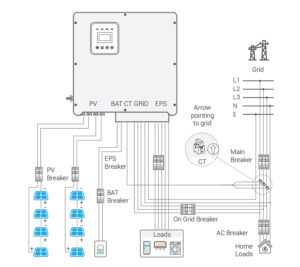
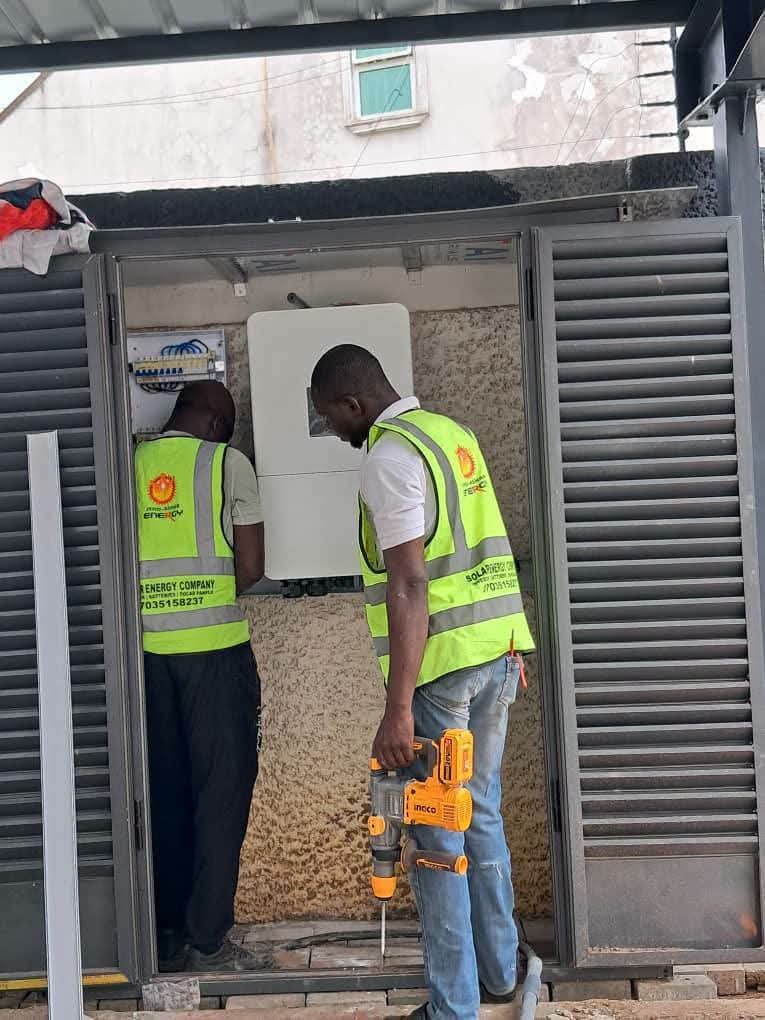
Imagine working at home when your solar power suddenly goes off. Your battery appeared healthy just minutes earlier. Now, the inverter has stopped supplying electricity, and essential appliances are no longer running. Situations like this can be frustrating, especially during a power outage.
Unexpected battery shutdowns can happen for several reasons. Sometimes, the battery is protecting itself from unsafe operating conditions. In other cases, the problem may involve low charge, excessive loads, poor connections, incorrect inverter settings, or communication errors.
Understanding what causes unexpected battery shutdowns helps you identify the problem before it becomes more serious. It also helps you distinguish between normal battery protection and a fault that requires professional attention. With the right checks, you can improve system reliability and reduce unnecessary interruptions.
1. Low Battery Charge
One of the most common causes of unexpected battery shutdowns is low charge. When the battery reaches its minimum permitted level, its battery management system may disconnect the output to prevent excessive discharge.
This can happen when household consumption exceeds available stored energy. For example, running an air conditioner, refrigerator, television, and several lights overnight can drain a battery faster than expected. If the solar panels have not fully recharged it during the day, the battery may shut down before morning.
However, the displayed battery percentage does not always tell the complete story. The reading may be inaccurate because of calibration issues, communication problems, or changes in battery voltage under load.
What you can do:
- Check the battery’s state of charge.
- Review overnight electricity consumption.
- Confirm that the battery charges fully during suitable sunlight.
- Check the inverter’s low-voltage and low-charge settings.
- Consider whether your battery capacity matches your energy needs.
2. Overloading the Inverter
Your battery can shut down when the system experiences excessive power demand. This often happens when several heavy appliances operate simultaneously.
For instance, an air conditioner may already be drawing considerable power when someone switches on a water pump. A refrigerator or washing machine may also require additional power when its motor starts. Consequently, the combined demand can exceed what the inverter and battery can safely supply.
The inverter may respond with an overload alarm or shut down its output. Depending on the system design and operating conditions, excessive current may also trigger battery protection.
It is important to remember that inverter power and battery capacity serve different purposes. The inverter determines how much power the system can deliver at once, while the battery determines how much energy it can store.
What you can do:
- Check the inverter’s overload warnings.
- Avoid starting several heavy appliances simultaneously.
- Compare appliance demand with the inverter’s rated capacity.
- Confirm that the battery can supply the required discharge current.
- Ask a qualified installer to assess recurring overloads.
3. Battery Temperature Problems
Batteries operate within specified temperature limits. When temperatures fall outside those limits, the battery management system may restrict charging or discharging.
High temperatures can result from poor ventilation, excessive current, unsuitable installation conditions, or internal faults. Meanwhile, low temperatures can also affect battery performance and charging safety, depending on the battery chemistry.
Lithium batteries commonly include temperature monitoring and protective controls. Therefore, a shutdown may be the battery’s way of preventing damage rather than evidence of a failed battery.
What you can do:
- Keep the battery in a suitable, ventilated location.
- Follow the manufacturer’s temperature requirements.
- Avoid placing batteries near direct heat sources.
- Check for temperature warnings on the inverter or battery display.
- Contact a qualified technician if overheating continues.
Never open a battery enclosure or bypass its temperature protection. These safeguards help prevent dangerous operating conditions.
4. Loose Cables and Poor Electrical Connections
Sometimes, the battery itself is not the problem. A loose or unsuitable electrical connection can interrupt power delivery and cause unexpected shutdowns.
Battery cables carry substantial current, particularly when heavy appliances are running. If a connection has excessive resistance, it can produce a voltage drop or generate heat. As a result, the inverter may detect insufficient voltage even when the battery still contains usable energy.
Damaged cables, poorly secured terminals, incorrect cable sizing, and unsuitable connectors can all contribute to this problem. In severe cases, poor connections can create a fire hazard.
Warning signs may include:
- Repeated shutdowns under heavy loads.
- Inverter low-voltage alarms.
- Visible cable damage.
- Unusual heat around connections.
- Intermittent power interruptions.
Do not touch exposed conductors or attempt live electrical repairs. Instead, have a qualified installer inspect the cables, terminals, protective devices, and connections safely.
5. Incorrect Inverter Settings
Your inverter and battery must work together correctly. If their settings do not match, the system may shut down earlier than expected.
For example, an incorrectly configured low-voltage cutoff may disconnect the battery before its intended usable capacity is reached. Charging limits can also prevent the battery from reaching the desired state of charge. In addition, settings that do not match the battery manufacturer’s specifications may interfere with normal operation.
These problems can occur after installation, equipment replacement, a factory reset, or an unsuccessful settings adjustment.
Check the following:
- Battery type selected in the inverter.
- Minimum discharge settings.
- Charging voltage and current limits.
- Low-voltage protection settings.
- Battery communication mode.
- Manufacturer-recommended operating parameters.
Do not increase voltage limits simply to prevent shutdowns. The correct settings depend on the battery model and manufacturer instructions.
6. Battery Communication Errors
Many modern lithium batteries communicate with compatible inverters. This communication allows the battery to share information about its charge level, temperature, voltage, and permitted charging or discharging current.
If communication fails, the inverter may not receive reliable battery information. Depending on the equipment, it may display an alarm, enter a limited operating mode, or stop supplying power.
Communication problems can result from an incompatible inverter, incorrect settings, damaged communication cables, loose connectors, or an incorrect protocol selection.
For example, some systems use CAN or RS485 communication. However, the correct port, cable configuration, and protocol depend on the specific equipment.
What you can do:
- Check the inverter’s communication alarms.
- Confirm that the battery and inverter are compatible.
- Inspect communication connections after safely isolating the system.
- Verify the required protocol and settings.
- Consult the manufacturer’s documentation or an approved installer.
Avoid repeatedly disconnecting communication cables while the system is operating. Follow the manufacturer’s shutdown procedure before any inspection.
7. An Aging or Damaged Battery
Battery performance can decline over time. Repeated cycling, unsuitable operating conditions, excessive heat, and prolonged operation outside recommended limits can contribute to degradation.
As a battery ages, its usable capacity may decrease. It may therefore reach its discharge limit sooner than it did when new. In some cases, its voltage may also drop sharply when heavy appliances are switched on.
This explains why a battery can appear fully charged but shut down shortly after a large load begins. The battery may have limited remaining capacity or difficulty delivering the required current.
Possible warning signs include:
- Shorter backup time than before.
- Frequent shutdowns under familiar loads.
- Unusual changes in charge percentage.
- Repeated battery fault alarms.
- Significant differences in performance between battery units.
These signs do not automatically prove that the battery has failed. A professional battery health assessment can help identify whether the cause is degradation, configuration, or another system issue.
8. Insufficient Solar Charging
A battery may shut down because it never receives enough energy to meet household demand.
This is especially common when solar production falls during cloudy weather, panels become shaded, or electricity consumption increases. Dirty panels, faulty components, and undersized solar arrays can also reduce available energy.
Consider a household that normally charges its battery fully during sunny weather. Several cloudy days may reduce charging, while appliances continue consuming electricity each evening. Eventually, the battery may reach its minimum charge level earlier than usual.
To reduce this risk:
- Monitor daily solar production.
- Check whether the battery reaches a suitable charge level.
- Keep panels clean using safe maintenance practices.
- Investigate persistent shading or equipment faults.
- Review whether the solar array matches your consumption.
Adding more battery storage alone may not solve insufficient charging. A larger battery bank also requires enough available energy to recharge it properly.
9. Battery Management System Protection
The battery management system, commonly called the BMS, monitors and protects a lithium battery. It may disconnect the battery when it detects conditions outside its permitted operating limits.
These conditions can include excessive current, low or high voltage, temperature problems, or a fault within the battery. A shutdown may therefore indicate that the protection system is responding as designed.
However, repeated protection events should not be ignored. They may point to an unsuitable load, incorrect configuration, a faulty component, or a battery that requires servicing.
When a shutdown occurs, check the available fault codes and alarms. Record the circumstances, including the battery percentage, appliances running, and any recent changes to the system.
Never bypass the BMS or force the battery to operate beyond its rated limits. Doing so can create serious safety risks and may damage the equipment.
10. How to Troubleshoot Unexpected Battery Shutdowns
When a battery shuts down unexpectedly, avoid immediately assuming that it needs replacement. A structured inspection can help narrow down the cause.
Follow these steps:
- Check the warning messages. Look at the inverter and battery displays for fault codes or alarms.
- Review the battery level. Determine whether the battery was already close to its minimum permitted charge.
- Identify the active loads. Note whether air conditioners, pumps, kettles, or other heavy appliances were operating.
- Check the system history. Consider whether the problem started after a settings change, installation, or equipment replacement.
- Review solar charging. Determine whether the battery received enough energy during the day.
- Record repeated shutdowns. Note the time, battery percentage, load conditions, and displayed error messages.
- Arrange a professional inspection. If the problem continues, have a qualified technician assess the battery, inverter, cables, and protective devices.
If the battery becomes unusually hot, swells, leaks, produces an unusual smell, or shows visible damage, stop using the system if it is safe to do so and seek professional assistance. Do not open the battery or attempt to restart a visibly damaged unit.
11. How to Prevent Unexpected Battery Shutdowns
Preventing shutdowns starts with choosing compatible equipment and designing the system around actual energy consumption.
A properly planned solar installation should consider battery capacity, inverter output, appliance startup demand, solar panel capacity, and charging requirements. It should also use suitable cables, correctly rated protective devices, and manufacturer-approved settings.
Regular monitoring is equally important. If you notice that backup time is gradually decreasing, investigate before the system begins shutting down frequently.
Here are some useful practices:
- Choose a battery that suits your daily energy needs.
- Match the inverter to your maximum expected load.
- Use compatible batteries and inverters.
- Keep charging and discharge settings within approved limits.
- Schedule appropriate system inspections.
- Monitor battery performance and recurring alarms.
- Avoid adding heavy appliances without reviewing system capacity.
Jeho Ashar Energy supplies solar panels, hybrid and high-voltage inverters, lithium batteries, cables, and protective devices. Choosing suitable components and ensuring correct system design can help improve reliability for homes and businesses.
Explore available solar solutions at https://www.abujasolar.com.
Conclusion
Unexpected battery shutdowns can have several causes, from low charge and excessive loads to temperature problems, poor connections, and communication errors. In many cases, the shutdown is a protective response rather than proof of a damaged battery.
The key is to identify what happened before replacing equipment or changing settings. Check the warning messages, review your energy consumption, and monitor how the battery behaves under different loads. If shutdowns continue, arrange a professional inspection to identify the underlying fault.
A reliable solar system depends on more than battery quality alone. Proper sizing, compatible equipment, safe installation, and regular monitoring all play important roles.
Final Thought
Do not ignore repeated battery shutdowns. Find the cause early, protect your equipment, and keep your solar system working reliably.
Learn more about quality solar solutions at https://www.abujasolar.com