Power is essential in daily life. Every home and business depends on appliances. However, electricity supply is often unstable. In addition, fuel costs keep rising.
Therefore, many people are switching to solar energy. It provides clean and reliable power. As a result, you can run many appliances without stress.
So, what appliances can you run with solar power? Let’s explore this in a simple way.
Why Use Solar Power for Appliances?
Solar energy is becoming more popular. It helps reduce electricity bills. In addition, it provides backup during outages.
Unlike generators, solar is quiet and clean. Therefore, it improves comfort. It also reduces environmental impact.
In short, using solar power for appliances is smart and efficient.
Common Appliances You Can Run with Solar Power
Solar systems can power many everyday appliances. However, the size of your system matters. Let’s break it down clearly.
1. Lighting Systems
Lighting is one of the easiest loads. Solar can power lights easily.
For example:
- LED bulbs
- Energy-saving lamps
- Outdoor security lights
LED lights use very little energy. Therefore, they are ideal for solar systems. In addition, they last longer.
2. Fans and Ventilation
Fans are essential in many homes. Especially in warm climates.
Solar systems can run:
- Ceiling fans
- Standing fans
- Exhaust fans
These appliances consume moderate power. Therefore, they work well with solar setups.
3. Televisions and Entertainment Devices
Entertainment appliances can also run on solar. However, energy-efficient models are better.
Examples include:
- LED TVs
- Decoders
- Sound systems
For instance, a small solar system can power a TV and decoder. As a result, you enjoy uninterrupted entertainment.
4. Refrigerators and Freezers
Refrigerators are important appliances. They run all day. Therefore, they require proper planning.
Solar can power:
- Energy-efficient fridges
- Small freezers
However, you need a good battery setup. This ensures continuous operation.
In addition, inverter refrigerators are recommended. They consume less energy.
5. Air Conditioners
Air conditioners use more power. However, they can still run on solar.
You need a larger system for this. In addition, battery capacity must be high.
For example:
- Small inverter AC units
- Energy-efficient cooling systems
Therefore, proper system design is important.
6. Computers and Office Equipment
Solar power supports office work. It can run many devices smoothly.
Examples include:
- Laptops
- Desktop computers
- Printers
- Routers
These devices are essential for productivity. Therefore, solar ensures uninterrupted work.
7. Kitchen Appliances
Some kitchen appliances can run on solar. However, power consumption varies.
You can run:
- Blenders
- Microwaves (with larger systems)
- Electric kettles (short use)
However, high-power appliances need careful planning. In addition, usage time should be managed.
8. Water Pumps
Water pumps are important for homes and farms. Solar can power them effectively.
For example:
- Borehole pumps
- Surface pumps
Solar water pumping is very efficient. It also reduces fuel costs.
Factors That Affect What You Can Run
Not all solar systems are the same. Therefore, several factors determine appliance usage.
Key Factors:
- System size (panels and inverter)
- Battery capacity
- Energy consumption of appliances
- Usage time
For instance, a small system can run lights and fans. However, a larger system can power AC units and refrigerators.
Types of Solar Systems
Choosing the right system is important. Each type supports different appliances.
Grid-Tied Systems
- Connected to public electricity
- Suitable for reducing bills
- Limited during outages
Hybrid Systems
- Combine solar and batteries
- Provide backup power
- Ideal for homes and businesses
Off-Grid Systems
- Fully independent
- Suitable for remote areas
- Require larger investment
Each system has its advantages. Therefore, proper selection is key.
Practical Example: A Home Setup
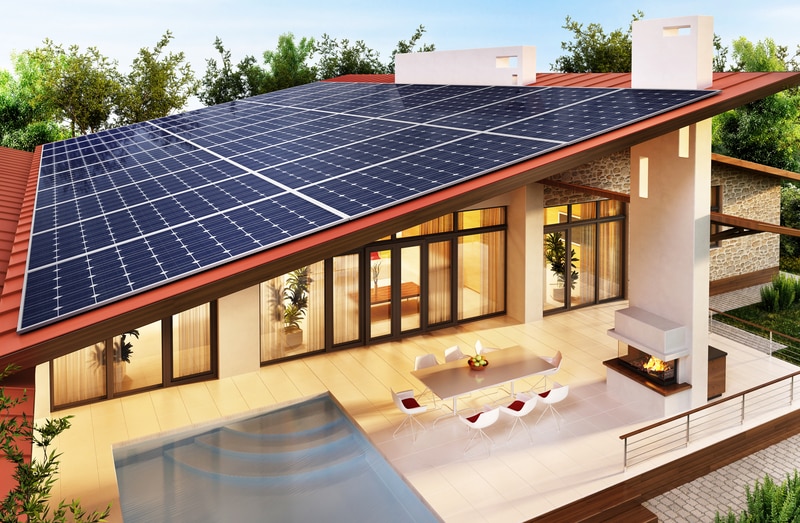
Imagine a small home using solar. It powers lights, fans, and a TV. In addition, it runs a refrigerator.
During the day, solar panels supply power. Meanwhile, batteries store extra energy. At night, stored energy is used.
As a result, the home enjoys stable electricity. In addition, energy bills reduce significantly.
Tips for Running Appliances on Solar
To get the best results, follow these tips:
- Use energy-efficient appliances
- Avoid overloading the system
- Turn off unused devices
- Invest in good batteries
- Work with experienced installers
Additionally, monitor your energy usage. This helps improve efficiency.
Safety and Best Practices
Safety is very important. Solar systems involve electrical connections. Therefore, proper installation is essential.
Follow these practices:
- Use certified professionals
- Install protective devices
- Ensure proper grounding
- Perform regular maintenance
Furthermore, avoid DIY installations. This reduces risks.
Advantages of Using Solar for Appliances
Here are key benefits:
- Lower electricity bills
- Reliable power supply
- Reduced fuel costs
- Clean and eco-friendly energy
- Long-term savings
In short, solar improves both comfort and efficiency.
Conclusion
Solar energy is transforming how we power appliances. It offers a reliable and cost-effective solution.
From lighting to refrigerators, many appliances can run on solar. However, proper system design is important. Therefore, planning is key.
As technology improves, solar becomes even more accessible. Consequently, more homes and businesses are adopting it.
Final Thought
Energy independence is becoming important. Solar power makes it possible.
In short, running appliances with solar is a smart move. Start small if needed. Then expand as you grow.

