Energy drives the hospitality industry. Hotels and restaurants depend on power daily. However, energy costs keep rising fast. At the same time, outages disrupt service quality.
Therefore, many hospitality businesses are turning to solar. Solar power offers reliability and savings. In addition, it supports sustainability goals. As a result, it is becoming a smart choice for hotels and restaurants.
So, how does solar power help this industry? Let’s explore it clearly.
Why Solar Power for Hotels and Restaurants Matters
Hotels and restaurants consume a lot of energy. For example, lighting, cooling, cooking, and laundry all require power. Consequently, energy bills are often very high.
However, solar power reduces these costs. It also provides a stable energy source. In contrast to generators, it is clean and quiet. Therefore, businesses can operate more efficiently.
In short, solar power for hotels and restaurants improves both performance and profitability.
Key Benefits of Solar Power
1. Reduced Energy Costs
Energy bills can take a large share of revenue. However, solar helps reduce this burden. Once installed, it generates free electricity.
Therefore, businesses spend less on power. In addition, they reduce fuel usage. Over time, the savings grow significantly.
2. Reliable Power Supply
Power outages can affect guests and customers. For instance, a hotel without power loses comfort. Similarly, a restaurant cannot operate fully.
Solar systems, especially with batteries, provide backup power. As a result, operations continue smoothly.
3. Improved Customer Experience
Guests expect comfort and consistency. Therefore, reliable power is essential.
With solar energy, hotels maintain lighting and cooling. Restaurants also keep kitchens running. Consequently, customer satisfaction improves.
4. Environmental Sustainability
Sustainability is now important to customers. Many prefer eco-friendly businesses.
Solar energy reduces carbon emissions. In addition, it supports green branding. As a result, businesses attract more conscious customers.
5. Long-Term Investment
Solar systems last many years. Maintenance costs are also low. Therefore, they provide strong returns over time.
In short, solar is not just an expense. It is a long-term asset.
Common Uses of Solar in Hotels and Restaurants
Solar power can support many operations. Here are key applications:
- Lighting for rooms and dining areas
- Air conditioning and refrigeration
- Kitchen equipment support
- Water heating systems
- Laundry services in hotels
For example, solar water heaters are very effective. They reduce energy use for hot water. Similarly, solar-powered lighting cuts electricity bills.
Types of Solar Systems for Hospitality Businesses
Choosing the right system is important. Different setups suit different needs.
Grid-Tied Systems
These connect to the public grid. They are cost-effective. However, they depend on grid availability.
Hybrid Systems
These combine solar panels and batteries. Therefore, they provide backup during outages. They are ideal for hotels and restaurants.
Off-Grid Systems
These operate independently. They are useful in remote areas. However, they require higher investment.
Each option has benefits. Therefore, businesses must assess their needs carefully.
Key Components of a Solar System
Understanding the system helps better planning. Here are the main components:
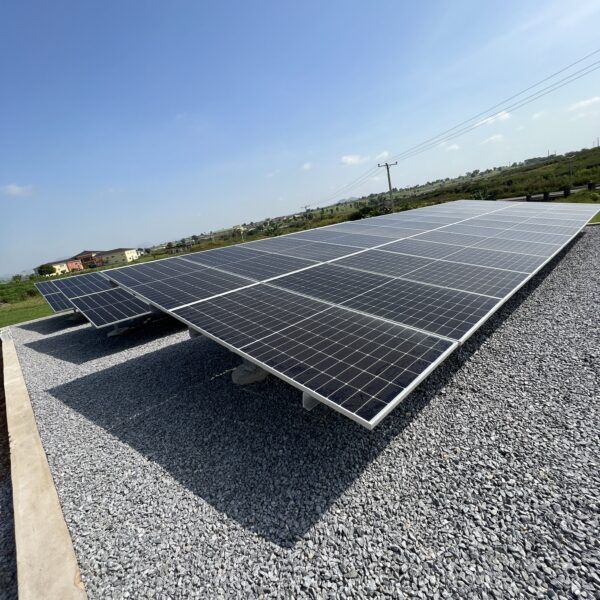
- Solar Panels – Capture sunlight and generate power
- Inverter – Converts electricity for use
- Battery Storage – Stores extra energy
- Mounting Structure – Supports the panels
- Cables and Protection Devices – Ensure safe operation
Each part is essential. In addition, quality components improve efficiency and lifespan.
Practical Example: A Hotel’s Transformation
Imagine a mid-sized hotel. It relies heavily on generators. Fuel costs are high. Power outages disturb guests often.
After installing solar, things improve quickly. Energy bills drop. Noise reduces significantly. In addition, guest comfort increases.
Within a few years, the system pays for itself. As a result, the hotel enjoys higher profits. This is a common success story today.
Steps to Implement Solar Power
Switching to solar requires planning. Here are simple steps to follow:
- Assess energy consumption
- Choose the right system type
- Work with a trusted installer
- Install quality components
- Monitor and maintain the system
Following these steps ensures success. In addition, it maximizes long-term benefits.
Practical Tips for Best Results
To get the most from solar, consider these tips:
- Install panels in sunny areas
- Use energy-efficient appliances
- Combine solar with battery storage
- Schedule regular maintenance
- Monitor system performance
Furthermore, plan for future expansion. This allows easy upgrades later.
Safety and Best Practices
Safety is very important. Solar systems involve electrical setups. Therefore, proper installation is key.
Follow these best practices:
- Use certified professionals
- Ensure proper grounding
- Install protective devices
- Conduct regular inspections
Additionally, train staff on basic safety awareness. This reduces risks.
Solar Power for Hotels and Restaurants: Key Takeaways
Let’s summarize the main points:
- Solar reduces energy costs
- It ensures reliable power supply
- It improves customer experience
- It supports sustainability goals
- It provides long-term financial benefits
Together, these benefits make solar a smart choice.
Conclusion
Solar power is transforming the hospitality industry. Hotels and restaurants need reliable energy daily. However, traditional sources are costly and unstable.
Solar offers a better alternative. It provides savings, stability, and sustainability. Therefore, more businesses are making the switch.
In addition, it improves customer satisfaction. As a result, businesses grow stronger and more competitive.
Final Thought
Energy decisions shape business success. Choosing solar is a forward-thinking move.
In short, solar power for hotels and restaurants is the future. Now is the best time to invest and stay ahead.
