
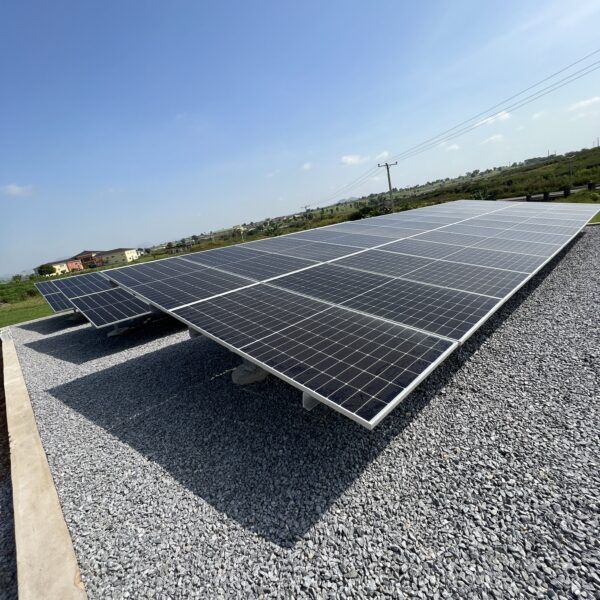
Energy is essential for learning and worship. Schools need power for teaching tools. Churches need power for services and events. However, electricity costs keep rising. In addition, power supply is often unreliable.
Therefore, many institutions are turning to solar energy. Solar systems provide stable and affordable power. As a result, schools and churches can operate smoothly. They also reduce long-term costs.
So, how do solar systems help schools and churches? Let’s explore this in a simple way.
Why Solar Systems for Schools and Churches Matter
Schools and churches serve communities daily. They rely on electricity for many activities. For example, classrooms need lighting and fans. Churches need sound systems and lighting.
However, frequent outages disrupt these activities. In contrast, solar systems provide consistent power. Therefore, operations continue without interruption.
In short, solar systems for schools and churches improve efficiency and reliability.
Key Benefits of Solar Systems
1. Reduced Energy Costs
Electricity bills can be very high. This affects budgets for schools and churches. However, solar helps reduce these expenses.
Once installed, solar generates free energy. Therefore, monthly bills drop significantly. In addition, fuel costs for generators reduce.
2. Reliable Power Supply
Unstable power supply is a major challenge. It affects teaching and worship sessions.
Solar systems, especially with batteries, provide backup power. As a result, activities continue without interruption.
For instance:
- Classes continue during outages
- Church services run smoothly
- Events are not delayed
3. Better Learning and Worship Environment
A stable power supply improves comfort. Students learn better in well-lit rooms. Similarly, worshippers enjoy peaceful services.
Solar systems ensure fans, lights, and equipment work properly. Consequently, the environment becomes more conducive.
4. Environmental Sustainability
Solar energy is clean and renewable. It reduces pollution and carbon emissions. Therefore, it supports environmental protection.
Schools can also use solar as a teaching tool. Students learn about renewable energy. Similarly, churches promote stewardship of the environment.
5. Long-Term Financial Savings
Solar systems last many years. Maintenance costs are low. Therefore, they provide long-term value.
Although the initial cost may seem high, savings grow over time. As a result, institutions can invest more in their core mission.
Common Uses of Solar in Schools and Churches
Solar systems can power many activities. Here are common uses:
- Classroom lighting and fans
- Computer labs and projectors
- Church sound systems
- Outdoor lighting
- Water pumping and heating
For example, solar can power ICT labs in schools. Similarly, it supports microphones and speakers in churches.
In addition, solar street lights improve safety at night.
Types of Solar Systems to Consider
Different systems suit different needs. Therefore, choosing the right one is important.
Grid-Tied Systems
These connect to the main power grid. They are affordable. However, they depend on grid availability.
Hybrid Systems
These combine solar panels and batteries. Therefore, they provide backup during outages. They are ideal for schools and churches.
Off-Grid Systems
These operate independently. They are useful in remote areas. However, they require higher investment.
Each option has benefits. Therefore, proper assessment is necessary.
Key Components of a Solar System
Understanding the components helps better decisions. Here are the main parts:
- Solar Panels – Capture sunlight
- Inverter – Converts electricity for use
- Battery Storage – Stores excess energy
- Mounting Structure – Holds panels securely
- Cables and Protection Devices – Ensure safety
Each component plays an important role. In addition, quality materials improve performance.
Practical Example: A School Transformation
Imagine a secondary school. It struggles with power outages. Classes are often disrupted. Computer lessons are limited.
After installing solar, things improve quickly. Classrooms stay powered. Students learn without interruption. In addition, teachers use digital tools easily.
Within a few years, the system pays for itself. As a result, the school saves money. This is a common experience today.
Practical Example: A Church Upgrade
Consider a church that depends on generators. Fuel costs are high. Noise also affects worship.
After switching to solar, services become peaceful. Power supply becomes stable. In addition, expenses reduce.
Members notice the improvement. As a result, attendance and engagement increase.
Steps to Install Solar Systems
Switching to solar requires proper planning. Here are simple steps:
- Assess energy needs
- Choose the right system type
- Work with a trusted installer
- Install quality components
- Monitor and maintain the system
Following these steps ensures success. In addition, it maximizes efficiency.
Practical Tips for Best Results
To get the most from solar systems, consider these tips:
- Install panels in areas with good sunlight
- Use energy-efficient appliances
- Combine solar with battery storage
- Schedule regular maintenance
- Monitor system performance
Furthermore, plan for future expansion. This allows easy upgrades later.
Safety and Best Practices
Safety is very important. Solar systems involve electrical setups. Therefore, proper installation is key.
Follow these best practices:
- Use certified professionals
- Ensure proper grounding
- Install protective devices
- Conduct regular inspections
Additionally, train staff on basic system awareness. This helps prevent accidents.
Solar Systems for Schools and Churches: Key Takeaways
Let’s summarize the main points:
- Solar reduces energy costs
- It provides reliable power
- It improves learning and worship
- It supports environmental goals
- It offers long-term savings
Together, these benefits make solar a smart choice.
Conclusion
Solar systems are transforming schools and churches. Reliable power is essential for daily activities. However, traditional energy sources are costly and unstable.
Solar offers a better solution. It provides savings, stability, and sustainability. Therefore, more institutions are adopting it.
In addition, it improves the quality of education and worship. As a result, communities benefit greatly.
Final Thought
Energy shapes the future of institutions. Choosing solar is a wise decision.
In short, solar systems for schools and churches are the future. Now is the time to invest and make a lasting impact.

