Solar energy is growing rapidly across Nigeria. Homes, businesses, and communities are installing solar systems to escape unreliable grid power. As a result, solar batteries are becoming common across the country.
However, every battery has a lifespan. Eventually, it stops working efficiently. At that point, proper disposal becomes important. Throwing batteries away carelessly can harm people and the environment.
This is why Solar Battery Recycling and Disposal in Nigeria is an important topic. Proper recycling protects the environment, saves valuable materials, and supports sustainable solar growth. In this guide, we explain how solar batteries should be handled, recycled, and disposed of safely in Nigeria.
Why Solar Battery Recycling Matters
Solar batteries contain valuable materials. They also contain chemicals that can harm the environment if mismanaged.
For example, some batteries contain:
- Lead
- Lithium
- Electrolytes
- Heavy metals
If dumped in landfills, these materials may leak into soil and water. Consequently, they can affect agriculture, wildlife, and human health.
Therefore, recycling helps prevent pollution while recovering useful materials.
Proper recycling also supports Nigeria’s growing renewable energy industry.
Common Types of Solar Batteries in Nigeria
Different solar batteries require different recycling methods. Understanding battery types helps explain proper disposal.
Lead-Acid Batteries
Lead-acid batteries are widely used in Nigeria. Many older solar systems rely on them.
These batteries contain lead plates and sulfuric acid. Although hazardous, they are highly recyclable.
In fact, lead-acid batteries are among the most recycled products worldwide.
Lithium-Ion Batteries
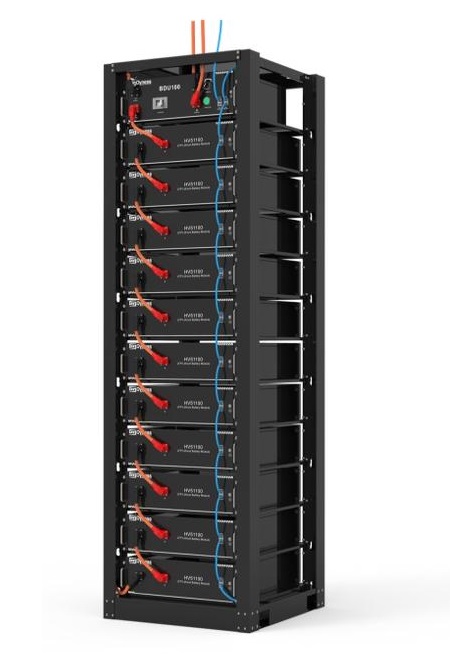
Lithium batteries are becoming more popular in modern solar systems.
They offer many advantages:
- Longer lifespan
- Higher efficiency
- Less maintenance
However, lithium batteries contain complex materials such as lithium, cobalt, and nickel. Recycling them requires specialized facilities.
Gel and AGM Batteries
Gel and AGM batteries are sealed lead-acid batteries. They require similar recycling processes to standard lead-acid batteries.
However, they are safer to handle because they are sealed.
Challenges of Solar Battery Disposal in Nigeria
Although solar energy is growing, battery recycling infrastructure in Nigeria is still developing.
Several challenges exist.
Limited Recycling Facilities
Only a few facilities specialize in advanced battery recycling. Many communities lack access to proper recycling centers.
As a result, some batteries end up in informal recycling markets.
Lack of Public Awareness
Many solar users do not know how to dispose of batteries safely.
For instance, some people throw old batteries in general waste. Others store them indefinitely.
Education is therefore important.
Informal Recycling Risks
Informal recyclers sometimes dismantle batteries manually. This can expose workers to dangerous chemicals.
Without proper safety measures, environmental contamination may occur.
Therefore, proper regulation and training are essential.
The Solar Battery Recycling Process
Battery recycling involves several important steps. These steps ensure materials are recovered safely.
1. Collection
First, used batteries are collected from homes, businesses, and solar installers.
Collection centers or recycling companies often handle this stage.
2. Sorting
Next, batteries are sorted by type.
For example:
- Lead-acid batteries
- Lithium-ion batteries
- Other battery types
Sorting ensures each battery follows the correct recycling process.
3. Safe Dismantling
Recycling facilities dismantle batteries carefully.
Components such as:
- Metals
- Plastic casings
- Electrolytes
are separated for further processing.
4. Material Recovery
Recyclers extract valuable materials from battery components.
For instance:
- Lead can be reused in new batteries
- Lithium and cobalt can be refined for future energy storage
- Plastics can be recycled into new products
Consequently, recycling reduces the need for raw mining.
Environmental Benefits of Solar Battery Recycling
Recycling solar batteries offers several environmental advantages.
Reduced Pollution
Proper disposal prevents toxic materials from entering soil and water.
Resource Conservation
Recovered metals reduce the need for new mining operations.
Lower Carbon Footprint
Recycling requires less energy than producing materials from scratch.
Sustainable Solar Growth
Responsible battery disposal supports the long-term growth of renewable energy.
Practical Tips for Safe Battery Disposal
Solar users can take simple steps to dispose of batteries safely.
Follow these best practices:
- Never throw solar batteries in household waste
- Store used batteries in dry, safe locations
- Avoid breaking or opening battery cases
- Contact solar installers or recycling centers
- Transport batteries carefully to collection points
Additionally, always follow manufacturer guidelines.
Role of Solar Companies in Battery Recycling
Solar companies play an important role in responsible disposal.
Many installers now provide battery replacement services. Some also collect old batteries for recycling.
Solar companies can help by:
- Educating customers about battery disposal
- Partnering with recycling organizations
- Offering take-back programs
- Promoting environmentally responsible practices
These efforts improve sustainability across the solar industry.
Government and Policy Efforts
Government regulation also helps improve battery recycling systems.
Nigeria continues to develop environmental policies for waste management.
For example, environmental agencies promote:
- Proper electronic waste disposal
- Recycling awareness campaigns
- Safer industrial recycling practices
As solar adoption grows, stronger policies will likely emerge.
Example Scenario
Consider a homeowner using solar power for several years. Eventually, the battery bank reaches the end of its lifespan.
Instead of discarding the batteries, the homeowner contacts a solar technician. The technician collects the batteries and sends them to a recycling partner.
As a result, valuable materials are recovered safely. Meanwhile, environmental harm is avoided.
This simple step makes solar energy truly sustainable.
The Future of Solar Battery Recycling in Nigeria
Solar adoption continues to grow across Nigeria. Consequently, the number of used batteries will also increase.
This creates opportunities for the recycling industry.
In the future, Nigeria may see:
- More battery recycling plants
- Stronger environmental regulations
- Better public awareness
- Partnerships between solar companies and recyclers
These improvements will support cleaner energy systems.
Conclusion
Solar energy is transforming Nigeria’s power landscape. However, responsible battery management is equally important.
Understanding Solar Battery Recycling and Disposal in Nigeria helps protect the environment while supporting renewable energy growth.
Proper recycling prevents pollution, recovers valuable materials, and improves sustainability. With greater awareness and improved recycling infrastructure, Nigeria can manage solar battery waste safely.
Final Thought
Solar power is a clean energy solution. However, its sustainability depends on responsible battery disposal. Recycling solar batteries today protects the environment for future generations.

I appreciate the focus on the lifecycle of solar batteries. Many people assume solar energy is completely harmless, but this shows that safely handling and recycling old batteries is just as important for long-term sustainability.
It’s great to see a guide that highlights the environmental and health risks of improper solar battery disposal in Nigeria. I especially appreciate how it emphasizes the valuable materials like lead and lithium that can be recovered through proper recycling. This kind of awareness is crucial as solar energy adoption continues to grow across the country.
Nilfortuneonline… hmm, not too familiar with this one. Anyone know what it’s like? Safe to play there? Would appreciate the intel. nilfortuneonline