Choosing the right inverter is one of the most important decisions when installing a solar power system. Many people focus on solar panels and batteries. However, the inverter is the heart of the entire system. It converts stored DC power into AC electricity that powers your home or business.
As your energy needs grow, your current inverter may no longer be enough. Consequently, you may notice frequent power interruptions, overload warnings, or appliances that refuse to work properly. Recognizing these signs early can help you avoid costly repairs and improve your overall solar experience.
In this guide, we will explain the common signs you need a bigger inverter, why they matter, and how upgrading can improve your solar system’s performance. Whether you own a home, office, or business, this article will help you make a smarter decision.
Why Inverter Size Matters
An inverter is designed to handle a specific amount of electrical load. If your appliances demand more power than the inverter can provide, problems begin to appear.
A correctly sized inverter offers several benefits:
- Stable electricity supply
- Better appliance performance
- Improved energy efficiency
- Longer inverter lifespan
- Reduced risk of overloads
- Reliable backup during outages
On the other hand, an undersized inverter struggles to keep up with increasing power demands.
What Causes an Inverter to Become Too Small?
Many solar systems are installed based on current electricity needs. However, energy consumption often changes over time.
For example, you may have added:
- More air conditioners
- A freezer
- A water pump
- Office equipment
- Additional lighting
- Larger televisions
- Industrial machines
- Refrigerators
- Washing machines
As a result, your original inverter may no longer meet your daily requirements.
Top Signs You Need a Bigger Inverter
1. Frequent Overload Warnings
This is one of the clearest warning signs.
If your inverter regularly displays an overload message, it means connected appliances are demanding more power than it can safely deliver.
Common overload symptoms include:
- Warning alarms
- Flashing error lights
- Automatic shutdowns
- Beeping sounds
Ignoring repeated overloads can shorten the inverter’s lifespan.
2. Your Inverter Shuts Down Often
An inverter should operate smoothly under normal conditions.
However, frequent shutdowns usually indicate excessive load. Therefore, the inverter switches itself off to protect its internal components.
If this happens regularly, your system may need a larger inverter.
3. You Recently Added More Appliances
Your electricity needs rarely stay the same.
Perhaps you started with:
- A television
- Lights
- Fans
Later, you added:
- Air conditioners
- Deep freezers
- Water pumps
- Electric kettles
- Microwaves
Consequently, your inverter now carries much more load than it was originally designed for.
4. Some Appliances Cannot Start
Certain appliances require extra power during startup.
These include:
- Air conditioners
- Refrigerators
- Water pumps
- Compressors
- Power tools
If these appliances fail to start while others are running, your inverter may lack sufficient surge capacity.
A larger inverter can handle these temporary power demands more effectively.
5. Battery Drains Faster Than Before
An overloaded inverter often places additional stress on the battery bank.
As a result:
- Batteries discharge quickly.
- Backup time becomes shorter.
- Charging cycles become more frequent.
Although batteries naturally age, an undersized inverter can also contribute to poor system performance.
6. You Experience Power Interruptions
Lights may flicker.
Appliances may suddenly switch off.
The inverter may constantly restart.
These interruptions often happen when the total electrical load exceeds the inverter’s capacity.
7. Your Business Has Expanded
Businesses grow over time.
For example, you may have added:
- More computers
- Printers
- Security systems
- CCTV cameras
- Air conditioners
- Production equipment
If your energy demand has increased significantly, upgrading your inverter becomes a smart investment.
8. Your Solar System Was Upgraded
Many homeowners install additional solar panels or larger battery banks.
However, they forget one important component—the inverter.
If your solar array has increased substantially, your inverter may become the limiting factor.
A properly sized inverter allows you to enjoy the full benefits of your upgraded solar system.
Risks of Using an Undersized Inverter
Continuing to use a small inverter may create several problems.
These include:
- Frequent overloads
- Poor appliance performance
- Reduced battery life
- Lower energy efficiency
- Increased maintenance costs
- Unexpected downtime
- Shorter inverter lifespan
Therefore, upgrading early often saves money in the long run.
Benefits of Installing a Bigger Inverter
Choosing the correct inverter capacity offers many advantages.
Better Performance
A larger inverter supplies enough power for multiple appliances without constant interruptions.
Greater Flexibility
You can add new appliances in the future without immediately replacing your inverter again.
Improved Efficiency
An appropriately sized inverter operates within its recommended load range, improving overall efficiency.
Better Backup
Power outages become less stressful because the inverter can support more essential appliances.
Longer Equipment Life
Running within safe operating limits reduces stress on the inverter and connected equipment.
How to Know the Right Inverter Size
Before upgrading, calculate your total electrical load.
Consider:
- Running wattage
- Starting wattage
- Future expansion
- Battery capacity
- Solar panel size
- Daily electricity usage
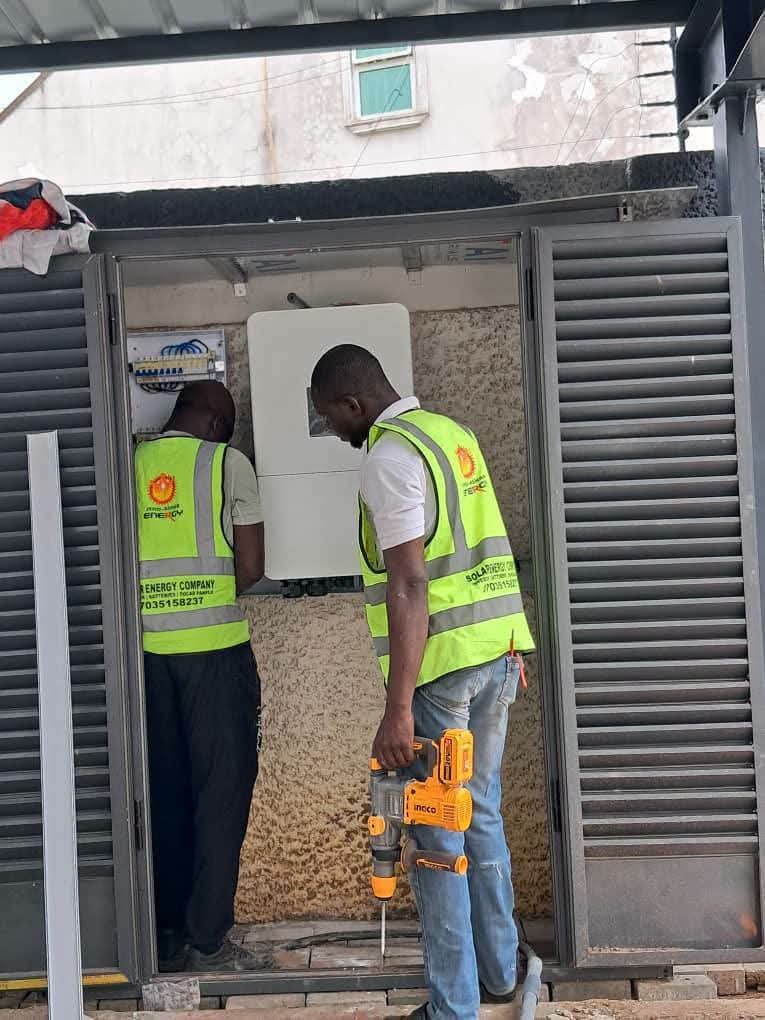
A professional solar installer can perform an accurate load assessment before recommending the ideal inverter size.
Practical Example
Imagine a homeowner who originally installed a 3kW inverter.
Initially, it powered:
- LED lighting
- Television
- Fans
- Internet router
Everything worked perfectly.
Later, the family added:
- Two air conditioners
- A freezer
- Washing machine
- Water pump
Soon, overload alarms became frequent. Appliances stopped working together, and backup time reduced significantly.
After upgrading to a larger inverter with proper battery support, the entire system became more reliable. Power interruptions disappeared, and appliance performance improved.
Best Practices Before Upgrading
Follow these recommendations before purchasing a new inverter:
- Calculate your present load.
- Plan for future expansion.
- Buy genuine products.
- Choose quality lithium batteries.
- Install adequate surge protection.
- Ensure proper ventilation.
- Work with experienced installers.
- Schedule routine maintenance.
These steps help protect your investment for many years.
Why Choose Jeho Ashar Energy?
When upgrading your solar system, choosing quality products is just as important as selecting the correct inverter size.
Jeho Ashar Energy supplies premium solar solutions, including genuine Deye hybrid inverters, high-performance Jinko solar panels, lithium batteries, mounting systems, cables, and protection devices. Every solution is carefully matched to your energy needs for dependable performance and long-term value.
In addition, the team provides professional system design, load assessment, installation, and after-sales support. Whether you are upgrading your home, office, or commercial facility, you can find reliable solar products and expert guidance through https://www.abujasolar.com.
Conclusion
Understanding the signs you need a bigger inverter helps you avoid unnecessary downtime and costly repairs. Frequent overloads, unexpected shutdowns, expanding energy needs, and poor appliance performance are all indicators that your current inverter may no longer be sufficient.
Instead of forcing a small inverter to handle growing electricity demands, consider upgrading to a properly sized system. A larger inverter improves efficiency, protects your equipment, and provides reliable power for years to come.
Final Thought
Your energy needs will continue to grow. Plan ahead by choosing an inverter that supports both your current and future requirements. Investing in the right inverter today means enjoying reliable, efficient, and worry-free solar power tomorrow.
Learn more about quality solar solutions at https://www.abujasolar.com