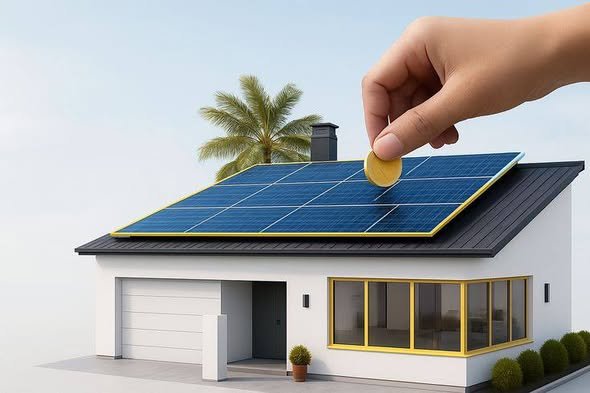
Solar energy has already changed how people access electricity. Homes and businesses are adopting solar solutions. However, the technology is still developing. Better batteries, smarter inverters, and improved panels are emerging. So lets explore What the Next 10 Years of Solar Will Look Like, These changes could reshape energy use significantly.
Over the next decade, solar may become more accessible. Energy storage could also become more advanced. Monitoring systems may offer greater control. Furthermore, businesses could rely more on solar power. These developments will create new opportunities.
For Nigeria, the possibilities are particularly important. Reliable electricity remains a major concern. Many households depend on generators. Businesses also face rising energy expenses. Solar technology could help address these challenges.
Understanding what the next 10 years of solar will look like helps consumers prepare. It also helps businesses make informed investments. The future will involve more than installing panels. It will involve smarter ways to generate, store, and manage electricity.
1. Solar Panels Will Become More Efficient
Solar panels convert sunlight into electricity. Their performance continues to improve. Manufacturers are developing better cell technologies. These improvements can increase energy production.
Over time, newer panels may generate more power. They may also use available roof space better. This matters for homes with limited installation areas.
What this means for Nigerian users
Higher panel efficiency could offer practical advantages:
- More power from limited roof space.
- Better use of available sunlight.
- Greater flexibility during system design.
- Potentially lower installation space requirements.
However, efficiency is not the only consideration. Panel quality and installation also matter. Shading, orientation, and temperature affect output. Buyers should consider the complete system.
2. Battery Storage Will Become More Important
Solar panels generate electricity during daylight. However, many homes need power at night. Businesses also require electricity after sunset. Battery storage helps bridge this gap.
Battery technology is developing rapidly. Manufacturers continue improving capacity and performance. Lithium batteries already support many modern installations. Future developments may improve affordability and usability.
What could change?
Over the next decade, battery systems may offer:
- Greater storage capacity.
- Improved energy management.
- More compact designs.
- Better monitoring features.
- Longer usable service life.
These improvements could make solar backup more practical. However, battery performance depends on proper usage. Temperature and charging settings remain important. Compatibility with the inverter is equally essential.
For Nigerian households, this matters greatly. A suitable battery can support evening activities. It can also reduce generator dependence. Businesses may use larger storage systems. These can support essential equipment during outages.
3. Smart Solar Systems Will Become More Common
Solar technology is becoming increasingly intelligent. Modern systems already offer monitoring features. Users can track energy generation remotely. They can also check battery levels.
Future systems may offer more automation. They could respond better to changing consumption. Some may manage energy priorities automatically. This can help reduce unnecessary power usage.
For example, a home may prioritize solar energy. It can charge batteries during strong sunlight. Heavy appliances can operate during daylight. Stored energy can then support evening needs.
Smart monitoring may also improve maintenance. Users can identify unusual performance changes. Alerts may highlight possible system faults. This can encourage earlier professional attention.
4. Solar Inverters Will Become More Advanced
Inverters play an important role. They convert solar electricity into usable power. Hybrid models also manage batteries and grid supply.
Future inverter technology may offer better control. Monitoring features may become more detailed. Communication between components could improve. Some systems may support more flexible configurations.
Brands such as Deye and Growatt already offer hybrid inverter options. Their products serve different system requirements. However, features vary across models.
Buyers should consider several factors:
- Inverter capacity and output requirements.
- Battery voltage and compatibility.
- Single-phase or three-phase supply.
- Monitoring and communication features.
- Available protection and safety functions.
- Future system expansion requirements.
A more advanced inverter cannot fix poor planning. Correct sizing remains essential. Professional installation also protects system performance.
5. Solar Will Become More Important for Nigerian Businesses
Businesses need reliable electricity. Retail stores require lighting and refrigeration. Offices depend on computers and internet access. Factories need power for production.
Solar systems can support these operations. Battery storage can provide additional backup. This may reduce generator operating hours.
Over the next decade, more businesses may consider solar investments. Better monitoring could help manage energy expenses. Larger systems may support more demanding operations.
Industries that could benefit
- Retail stores and supermarkets.
- Hotels and hospitality businesses.
- Farms and agricultural processors.
- Schools and healthcare facilities.
- Manufacturing and industrial companies.
- Offices and commercial buildings.
However, each business has different requirements. A small shop needs a different system. A factory may require three-phase equipment. Proper energy assessment must guide every decision.
6. Solar Will Support More Electric Mobility
Electric vehicles are gaining attention worldwide. They require electricity for charging. Solar energy could support this demand.
Homes may eventually combine solar systems with charging stations. Businesses could also explore solar-powered charging points. This could reduce dependence on grid electricity.
However, electric vehicle charging requires careful planning. Charging equipment can draw significant power. The solar system must support the additional load. Battery storage may also be necessary.
For Nigeria, adoption will depend on several factors. Vehicle availability and charging infrastructure matter. Electricity costs and technology prices matter too. Solar-powered charging could become more attractive as these conditions develop.
7. Solar Technology May Become More Affordable
Solar equipment requires an initial investment. This can discourage some households and businesses. However, technology development and wider adoption may influence prices.
Manufacturing improvements could reduce production costs. Greater market competition may also help. More suppliers could improve product availability.
Nevertheless, future prices are not guaranteed. Exchange rates affect imported equipment in Nigeria. Shipping costs and import duties also matter. Buyers should compare total system costs carefully.
Affordability should never mean choosing poor-quality products. Cheap equipment can create expensive problems. Quality, warranties, and technical support remain important.
8. Solar Will Play a Bigger Role in Rural Communities
Many rural communities face electricity challenges. Some locations have limited grid access. Others experience frequent power interruptions.
Solar systems can provide independent electricity. Smaller installations may support homes and shops. Larger systems can serve community facilities.
For example, solar can support water pumping. It can also power schools and health centres. Cold storage may help preserve agricultural products. These applications can improve everyday services.
Mini-grids may also expand in suitable locations. They can supply electricity to multiple users. However, successful projects require proper planning. Maintenance and long-term management are essential.
9. Solar Recycling and Sustainability Will Matter More
Solar panels and batteries have useful lifespans. Eventually, some equipment requires replacement. This creates a growing need for responsible disposal.
Over the next decade, recycling may become more important. Manufacturers and regulators may strengthen recovery processes. Battery recycling will also need attention.
Consumers should consider product quality from the beginning. They should keep warranty and purchase records. They should also use approved disposal channels.
Solar energy supports cleaner electricity generation. However, responsible equipment management completes the picture.
10. Energy Management Will Become as Important as Generation
Generating more electricity is not always the answer. Sometimes, users simply need better energy management.
For example, running every appliance simultaneously increases demand. Heavy equipment can place pressure on batteries. Poor usage habits may reduce backup time.
Future systems may help users manage these patterns. Monitoring applications can reveal consumption trends. Automated controls may also improve energy distribution.
Users can prepare by adopting simple habits:
- Understand daily electricity consumption.
- Identify essential appliances.
- Use heavy appliances during suitable periods.
- Monitor battery levels regularly.
- Avoid unnecessary overnight consumption.
- Maintain equipment according to guidance.
These habits already improve solar usage. Future technology may make them easier.
How to Prepare for the Future of Solar
You do not need to wait ten years. Practical decisions can begin today. Start with your current electricity requirements.
Assess your energy needs
List your appliances and their power ratings. Record how long they operate daily. Identify essential and non-essential loads.
Choose quality equipment
Consider reliable solar panels. Select a suitable inverter capacity. Choose compatible battery storage. Do not overlook cables and protection devices.
Plan for future expansion
Your electricity needs may increase. You may add appliances or business equipment. Discuss expansion options before installation.
Work with qualified professionals
Solar installations require technical knowledge. Poor wiring can create serious safety risks. Choose experienced installers and suitable products.
Monitor and maintain your system
Check performance regularly. Keep panels reasonably clean. Respond to system warnings promptly. Arrange professional inspections when necessary.
How Jeho Ashar Energy Fits Into Solar’s Future
The future of solar depends on quality equipment. It also depends on informed purchasing decisions. Jeho Ashar Energy supplies solar products for different applications.
Its product range includes Jinko solar panels. It also includes Deye and Growatt inverters. Deye lithium batteries support various storage requirements. Rails, cables, and protection devices are available too.
These products serve homes and businesses. Larger installations may require specialized configurations. Therefore, every purchase should reflect actual energy needs.
Jeho Ashar Energy helps customers explore suitable equipment. Buyers can review available products at https://www.abujasolar.com. They can also discuss their project requirements. The right system starts with proper assessment.
Conclusion
Solar technology will continue evolving. Panels may become more efficient. Batteries may offer improved storage options. Inverters and monitoring systems may become smarter.
Businesses could also increase solar adoption. Rural communities may gain better access. Electric mobility may create new opportunities. Meanwhile, responsible recycling will become more important.
However, the future depends on more than technology. Proper system design remains essential. Quality equipment and professional installation matter. Good energy habits also improve results.
The next decade could bring significant changes. Those who understand solar today can prepare better. They can make informed decisions as technology advances.
Final Thought
The future of energy is becoming smarter. Start by understanding your current needs. Choose quality equipment and plan ahead. Your next energy decision can make a difference.
Learn more about quality solar solutions at https://www.abujasolar.com