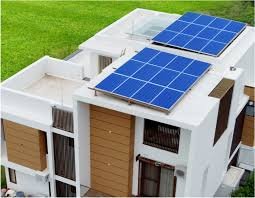
Solar energy is growing fast in Nigeria. More homeowners now want stable power daily. Furthermore, electricity costs keep rising across many cities. Generator fuel prices also increase almost every month. As a result, many duplex owners now prefer solar systems.
A duplex usually consumes more electricity than smaller homes. For example, it may power multiple air conditioners, TVs, refrigerators, lights, pumps, and kitchen appliances. Therefore, proper planning matters before installing solar.
However, many homeowners still ask important questions. How much solar power is enough? Which inverter works best? How many batteries are needed? Most importantly, is solar truly worth it for a duplex?
This guide explains everything clearly. In addition, it helps you avoid expensive mistakes. At Jeho Ashar Energy, we help Nigerian homeowners choose reliable solar solutions for duplex buildings and larger homes.
What Is a Duplex Solar System?
A duplex solar system powers a two-floor residential property. In most cases, the setup supports heavier electricity loads. Therefore, the system size is usually larger than standard apartment systems.
A complete solar setup may include:
- Solar panels
- Hybrid inverter
- Lithium batteries
- Mounting rails
- DC and AC cables
- Protection devices
- Changeover systems
Meanwhile, the inverter acts like the system’s brain. It manages power distribution across the home. The batteries also store energy for nighttime use.
Why Duplex Homes Need Stronger Solar Systems
Duplex homes often use more appliances daily. In addition, many families want uninterrupted electricity throughout the house.
Common appliances in duplex homes include:
- Multiple televisions
- Deep freezers
- Washing machines
- Water pumps
- Microwave ovens
- Electric kettles
- Air conditioners
- CCTV systems
- Home offices
Consequently, small solar systems may struggle with heavy demand. Poor sizing can also damage batteries faster.
For instance, a 3kVA inverter may work well for a one-bedroom apartment. However, it may not handle a duplex comfortably. Therefore, larger homes require proper load calculations.
Key Things to Consider Before Installation
1. Your Daily Power Usage
This is the first step. You must know how much electricity your home consumes daily.
For example, ask yourself:
- How many ACs run daily?
- Do you use electric cookers?
- How long do appliances stay on?
- Do you work from home?
- Do you need overnight backup?
These questions help installers recommend the right system.
2. Roof Space Availability
Solar panels need enough roof space. Furthermore, panel positioning affects performance greatly.
A good roof should:
- Receive direct sunlight
- Have minimal shading
- Support mounting structures
- Face the correct direction
Meanwhile, shaded roofs reduce energy production significantly.
3. Battery Capacity
Battery storage matters greatly in Nigeria. This is because grid electricity remains unstable in many areas.
Larger homes often require bigger battery banks. Consequently, lithium batteries are now more popular.
Lithium batteries offer:
- Faster charging
- Longer lifespan
- Better efficiency
- Lower maintenance
- Compact design
At Jeho Ashar Energy, many duplex owners now choose lithium systems for long-term savings.
4. Inverter Size
Your inverter must match your energy demand. If the inverter is too small, overload issues may occur.
Common inverter sizes for duplexes include:
- 5kVA inverter
- 8kVA inverter
- 10kVA inverter
- 12kVA inverter
However, the correct size depends on your appliances.
For example:
- A small duplex may work with 5kVA
- Medium homes may need 8kVA
- Larger luxury duplexes may require 10kVA or more
Therefore, professional assessment is very important.
Hybrid vs Off-Grid for Duplex Homes
Many homeowners ask this question often. Both systems work differently.
Hybrid Solar Systems
Hybrid systems combine:
- Solar power
- Batteries
- PHCN supply
- Sometimes generators
These systems are flexible. In addition, they reduce battery pressure.
Benefits include:
- Lower electricity bills
- Longer battery life
- Automatic switching
- Better energy management
Therefore, hybrid systems are very popular in Nigeria.
Off-Grid Solar Systems
Off-grid systems work independently. They do not rely on PHCN.
These systems are ideal for:
- Remote locations
- Areas with poor electricity
- Fully independent homes
However, off-grid systems usually cost more. This is because they require larger batteries and more panels.
Estimated Solar Setup for a Duplex
Every home differs slightly. However, many duplex homes fall within similar ranges.
Basic Duplex Setup
Suitable for:
- Lights
- Fans
- TVs
- Refrigerator
- Moderate usage
Possible setup:
- 5kVA inverter
- 10kWh battery
- 8–12 solar panels
Medium Duplex Setup
Suitable for:
- Multiple TVs
- Pump
- Washing machine
- Some AC usage
Possible setup:
- 8kVA inverter
- 15kWh battery
- 12–18 panels
Premium Duplex Setup
Suitable for:
- Multiple ACs
- Heavy appliances
- Luxury smart homes
Possible setup:
- 10–15kVA inverter
- Larger lithium storage
- 20+ panels
Meanwhile, proper consultation remains important before installation.
Benefits of Solar for Duplex Homes
Reduced Electricity Bills
Solar lowers dependence on PHCN. As a result, monthly electricity costs reduce significantly.
Furthermore, fuel expenses also decrease.
Better Comfort
Power interruptions become less stressful. Therefore, your family enjoys more comfort daily.
For example:
- Fans continue running
- Internet stays active
- Security systems remain powered
- Refrigerators work normally
Property Value Increases
Homes with solar systems often attract more buyers. In addition, they appear more modern and energy-efficient.
Consequently, solar can increase property value over time.
Lower Generator Dependence
Generators are noisy and expensive. Furthermore, fuel costs continue rising in Nigeria.
Solar systems help reduce:
- Fuel spending
- Generator servicing
- Noise pollution
- Environmental pollution
Common Mistakes Duplex Owners Make
Choosing Cheap Components
Low-quality products fail faster. Consequently, repairs become expensive later.
Always choose trusted brands and professional installers.
Ignoring Future Expansion
Some homeowners later add:
- More ACs
- Additional refrigerators
- Home offices
- CCTV systems
Therefore, expansion planning matters from the beginning.
Poor Battery Sizing
Undersized batteries drain quickly. In addition, they wear out faster.
Proper battery sizing improves long-term performance.
Hiring Unqualified Installers
Improper wiring creates serious problems. Furthermore, poor installation may damage appliances.
Always work with experienced solar professionals.
Practical Tips Before Installing Solar
Before investing, follow these helpful tips:
- List all appliances
- Calculate daily usage
- Prioritize essential loads
- Use energy-saving appliances
- Ask about warranty coverage
- Plan for future upgrades
- Choose quality batteries
- Ensure professional installation
These simple steps improve system performance greatly.
Is Solar Worth It for Duplex Owners?
Yes, absolutely. Solar provides long-term value for duplex homeowners in Nigeria.
Although installation costs may seem high initially, the savings grow over time. Furthermore, reliable electricity improves daily living significantly.
For example, many families spend huge amounts yearly on:
- Fuel
- Generator repairs
- Electricity bills
- Appliance damage
Solar helps reduce many of these expenses. Consequently, homeowners enjoy more predictable energy costs.
At Jeho Ashar Energy, we help homeowners design reliable solar systems that match their lifestyle and budget.
Conclusion
Solar energy is becoming essential for duplex homes in Nigeria. Electricity challenges continue daily. Meanwhile, fuel costs keep increasing steadily.
A properly designed solar system offers stability, comfort, and long-term savings. In addition, it reduces stress caused by unreliable power supply.
However, successful installation starts with proper planning. You must choose the right inverter, battery size, and solar panel capacity. Most importantly, work with experienced professionals.
Whether you want partial backup or full home power, solar remains a smart investment for modern duplex homes.
Final Thought
Reliable electricity changes everything at home. Therefore, investing in solar today can improve comfort, reduce costs, and protect your family from constant power interruptions.