
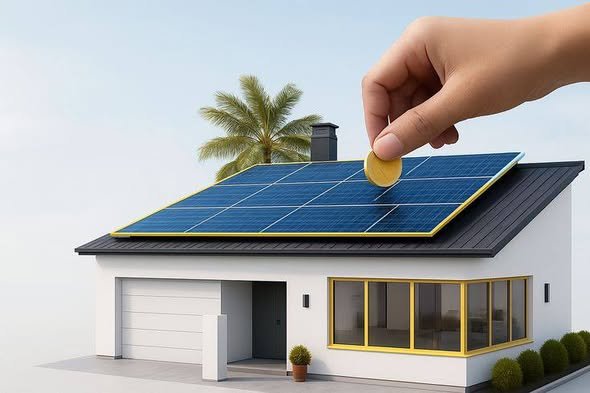
Buying a solar system is a major investment. For many homeowners, it promises reliable electricity. It also offers relief from rising energy costs. However, one mistake can make everything expensive. That mistake is choosing a system without proper planning lets explore Solar Buying Mistakes That Can Cost You More.
Some homeowners focus only on equipment prices. Others simply copy another person’s installation. Unfortunately, every home has different energy needs. Therefore, what works for one household may fail elsewhere.
The real cost goes beyond buying equipment. An unsuitable system can waste electricity. It may also damage components or disappoint users. In some cases, homeowners replace equipment unnecessarily. These problems often begin before installation.
Understanding the risks helps prevent expensive decisions. More importantly, proper planning protects your investment. Let’s examine the mistakes homeowners should avoid.
The Biggest Mistake: Buying Without Proper System Sizing
The most expensive solar mistake homeowners make is buying an improperly sized system. This happens when equipment is selected without calculating actual energy consumption. Consequently, the system may struggle with everyday household demands.
A solar system must match your lifestyle. It should also support your essential appliances. Otherwise, you may experience frequent power interruptions. You could also spend more upgrading equipment later.
Why Guesswork Leads to Problems
Imagine a family buying a 5kW inverter. They assume it can power everything. However, their home has several heavy appliances. These include air conditioners, freezers, pumps, and pressing irons.
The inverter may struggle with simultaneous loads. Meanwhile, the batteries may drain too quickly. The solar panels might also produce insufficient energy. As a result, the family becomes frustrated.
The problem is not necessarily poor equipment. Instead, the system was poorly planned. A bigger inverter alone may not help. Every major component must work together.
What Proper Solar Sizing Involves
Before buying, calculate your household’s energy needs. Consider both power and daily consumption.
Important factors include:
- Total appliance power ratings.
- Daily electricity consumption.
- Appliance operating hours.
- Starting power for heavy appliances.
- Required backup duration.
- Available roof or installation space.
- Future electricity needs.
These details help determine suitable equipment. They also prevent unnecessary spending.
Why Choosing an Inverter Based Only on Its Capacity Is Risky
An inverter’s capacity is important. However, it does not determine everything. It controls how much power appliances can draw. It does not tell you battery storage capacity.
For example, a 5kW inverter supports certain power demands. However, a small battery may provide limited backup. Therefore, the system could shut down early.
Homeowners should understand two important measurements:
- Inverter capacity: The power available for running appliances.
- Battery capacity: The energy stored for later use.
Both must suit the household’s requirements. Furthermore, the inverter must support the intended battery configuration.
Buying Too Few Solar Panels
Solar panels generate electricity for your system. They also help recharge your batteries. However, insufficient panels can create problems.
A system may work during sunny afternoons. Nevertheless, it might struggle during cloudy periods. It may also fail to recharge batteries fully. Consequently, homeowners depend more on generators or grid electricity.
Why Panel Quantity Matters
Your panel arrangement should support daily consumption. It should also provide enough energy for charging. This becomes especially important during rainy periods.
Before selecting panels, consider:
- Daily household energy requirements.
- Available sunshine hours.
- Panel wattage and efficiency.
- Roof orientation and shading.
- Inverter solar input specifications.
- Battery charging requirements.
More panels are not always the answer. Their specifications must match the inverter. Proper system design remains essential.
Choosing Cheap Equipment Without Checking Quality
Saving money is understandable. However, the cheapest equipment is not always economical. Poor-quality components can create additional expenses.
For instance, an unreliable battery may perform poorly. An unsuitable inverter may cause repeated faults. Low-quality cables can also create safety risks.
Therefore, compare equipment beyond its purchase price.
Check the following before buying:
- Product specifications and certifications.
- Manufacturer warranty conditions.
- Installation requirements.
- Battery and inverter compatibility.
- Availability of technical support.
- Seller reputation and after-sales service.
Premium equipment can offer better long-term value. However, quality still depends on correct installation.
Ignoring Battery Compatibility
Battery selection requires careful attention. Not every battery works with every inverter. Even compatible models need correct settings.
An unsuitable combination can cause communication problems. It may also affect charging and discharging. In some situations, the system may stop working.
Before purchasing, confirm these details:
- Battery voltage requirements.
- Supported battery chemistry.
- Communication protocol compatibility.
- Maximum charging and discharging current.
- Approved battery configuration.
- Required inverter firmware or settings.
For lithium batteries, communication is particularly important. The inverter and battery must exchange information correctly. A qualified installer should confirm compatibility.
Poor Installation Can Destroy a Good Investment
Good equipment cannot fix poor workmanship. Installation quality affects safety and performance. Unfortunately, some homeowners overlook this issue.
Improper connections can cause energy losses. Incorrect cable sizes may create excessive heating. Poor ventilation can also affect equipment performance.
Additionally, badly positioned solar panels may receive shade. This reduces their electricity production. Weak mounting structures can create further problems.
Installation Practices Homeowners Should Demand
Always use qualified solar professionals. Also, insist on proper installation procedures.
A professional installation should include:
- Correct cable sizing and connections.
- Appropriate circuit breakers and protection.
- Proper earthing and surge protection.
- Secure solar panel mounting.
- Adequate inverter ventilation.
- Suitable battery placement.
- Correct system configuration and testing.
Never attempt dangerous electrical work yourself. Always request professional inspection and commissioning.
Failing to Plan for Future Energy Needs
Your electricity needs may increase. You might purchase another air conditioner. Your family may also grow. Furthermore, a home office could increase consumption.
A system designed for today’s needs may become insufficient. Consequently, homeowners may need expensive upgrades.
Think about possible changes before purchasing. Discuss expansion options with your installer. Also, confirm whether the inverter supports additional panels or batteries.
However, expansion depends on equipment specifications. Not every system supports unlimited upgrades. Therefore, plan carefully from the beginning.
Ignoring Maintenance After Installation
Solar systems require occasional attention. They are not completely maintenance-free. Neglect can gradually affect performance.
Dust can reduce panel output. Loose connections may also create problems. Meanwhile, blocked inverter vents can cause overheating.
Simple maintenance habits can prevent avoidable expenses:
- Keep solar panels reasonably clean.
- Check inverter warning indicators.
- Monitor battery performance regularly.
- Keep equipment ventilation areas clear.
- Inspect visible cables for damage.
- Arrange professional system inspections.
After heavy rain or storms, check for visible damage. However, never touch exposed electrical components. Contact a qualified technician when necessary.
How Homeowners Can Avoid Expensive Solar Mistakes
Avoiding these problems starts with preparation. You do not need technical expertise. However, you should ask the right questions.
Follow these practical steps before purchasing:
- List your household appliances. Record their power ratings and usage hours.
- Identify essential appliances. Decide what must operate during outages.
- Calculate daily energy consumption. Include realistic operating periods.
- Determine your backup expectations. Consider how long batteries should last.
- Request a professional energy assessment. Avoid relying on guesses.
- Compare equipment specifications. Check quality, warranties, and compatibility.
- Review the installation plan. Confirm cables, protection, ventilation, and mounting.
- Understand future expansion options. Plan for possible increases in consumption.
- Request proper documentation. Keep invoices, manuals, and warranty records.
These steps help you make informed decisions. They also reduce the risk of costly replacements.
Why Working With a Reliable Solar Supplier Matters
Choosing the right supplier is important. However, product availability alone is insufficient. You also need accurate information and reliable support.
A dependable supplier should explain product specifications. They should also help identify suitable equipment. Furthermore, they should provide genuine products with clear warranty information.
Jeho Ashar Energy supplies solar equipment for homes. Its products also serve businesses and industries. The range includes Jinko solar panels, Deye hybrid inverters, Growatt inverters, and Deye lithium batteries. Other essential accessories include rails, cables, and protection devices.
However, equipment selection must follow proper system design. Not every combination suits every installation. Therefore, always confirm specifications before purchasing.
For quality solar equipment and product information, visit https://www.abujasolar.com.
Conclusion
Solar power can provide dependable electricity. It can also reduce dependence on generators. However, the wrong decisions can become expensive.
The biggest risk is buying without proper planning. An incorrectly sized system creates several problems. It can waste money and limit performance. Poor installation and incompatible equipment add further risks.
Therefore, understand your energy needs first. Choose suitable components and qualified installers. Also, maintain your system after installation.
A well-designed system delivers better value. More importantly, it supports your needs reliably.
Final Thought
Do not rush into buying solar equipment. Plan properly before spending your money. The right decisions today can prevent costly regrets tomorrow.
Learn more about quality solar solutions at https://www.abujasolar.com