
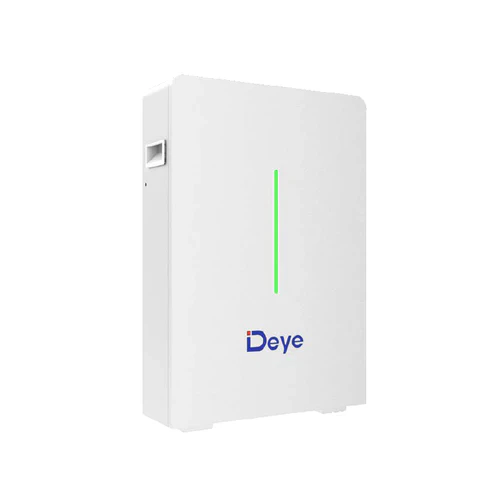
Have you noticed your battery reaches 100% surprisingly fast?
At first, this may seem like good news.
After all, a full battery sounds perfect.
However, the situation may need closer attention.
A battery reaching 100% quickly is not always fully charged so let us explore Why Your Batteries Reach 100% Too Quickly
Several factors can cause this behavior.
The battery capacity may be smaller than expected.
Your solar system may also be producing limited power.
In some cases, battery settings can affect readings.
A battery management system can also influence charging.
Therefore, the displayed percentage needs proper interpretation.
The number alone does not tell everything.
You also need to consider charging current.
Battery capacity and usage patterns matter too.
This is especially important for lithium battery systems.
At Jeho Ashar Energy, we supply complete solar solutions.
These include lithium batteries and hybrid inverters.
We also provide panels, cables, rails, and protection devices.
Learn more about our solutions at https://www.abujasolar.com.
What Does 100% Battery Mean?
A battery showing 100% means something specific.
However, it does not always mean maximum usable energy.
The displayed percentage comes from battery monitoring systems.
These systems estimate the remaining state of charge.
For lithium batteries, readings often use battery data.
The battery management system tracks several parameters.
These include voltage, current, and charge history.
It then estimates the battery’s state of charge.
Consequently, the displayed percentage can change quickly.
This can happen after certain charging conditions.
It does not automatically mean the battery is faulty.
The important question is simple.
How much energy can the battery actually deliver?
Why Your Battery May Reach 100% Quickly
1. The Battery Is Not Very Large
Battery capacity directly affects charging time.
A smaller battery naturally charges faster.
A larger battery usually requires more charging energy.
For example, consider two lithium batteries.
One battery stores 5kWh of energy.
Another battery stores 10kWh of energy.
The smaller battery can fill much faster.
Therefore, compare the battery’s actual capacity.
Do not judge performance from percentage alone.
2. Your Solar Panels Produce Strong Power
Strong solar production can charge batteries quickly.
This becomes more noticeable with smaller battery banks.
For example, your panels may produce 4kW.
Your battery may only store 5kWh.
Under suitable conditions, charging can happen quickly.
However, charging power usually changes throughout the day.
The inverter also controls how charging happens.
Therefore, quick charging is not automatically a problem.
It can simply mean your system is well matched.
3. The Battery Starts With High Charge
Your battery may already be partly charged.
It might begin the morning at 80%.
A short charging period can then reach 100%.
This can happen after light overnight usage.
It can also happen when grid charging occurs.
Therefore, check the starting battery percentage.
A battery reaching 100% from 80% is normal.
That situation differs from charging from 20%.
4. The Battery Percentage Is Calibrated Poorly
Battery percentage is an estimate.
Sometimes that estimate becomes inaccurate.
This can happen after repeated partial charging cycles.
The displayed percentage may then move unusually.
For example, it may rise very quickly.
Later, it may drop much faster than expected.
This can make the battery seem unreliable.
However, the battery itself may still be healthy.
Proper calibration can sometimes improve the reading.
Always follow the battery manufacturer’s instructions.
5. Charging Settings May Be Incorrect
Your inverter controls battery charging behavior.
Incorrect settings can affect charging performance.
They can also affect displayed battery information.
Important settings may include:
- Battery type
- Maximum charging current
- Absorption voltage
- Float voltage
- Charging source
- Battery capacity
- Communication settings
Lithium batteries often require suitable charging parameters.
Therefore, never copy random settings from elsewhere.
Use the manufacturer’s recommended settings instead.
Battery Communication Can Also Matter
Modern lithium batteries often communicate with inverters.
This communication can use CAN or RS485.
The battery sends important information to the inverter.
That information can include:
- State of charge
- Battery voltage
- Charging limits
- Discharging limits
- Temperature
- Protection status
If communication works correctly, readings are more reliable.
However, communication problems can create unusual readings.
For example, the inverter may receive incorrect information.
The battery percentage may then appear inconsistent.
Charging behavior can also change unexpectedly.
Therefore, check communication cables when readings look unusual.
Also confirm the correct communication protocol is selected.
Your Battery May Be Reaching Full Voltage Quickly
Voltage can sometimes create confusion.
A battery can reach its charging voltage quickly.
That does not always mean full capacity exists.
This is particularly important during battery charging.
Voltage changes as charging progresses.
However, voltage alone cannot perfectly measure remaining energy.
For this reason, battery monitoring uses multiple parameters.
A proper battery management system helps improve accuracy.
Consequently, do not diagnose capacity from voltage alone.
High Charging Power Can Make Charging Look Fast
Charging power affects how quickly energy enters the battery.
A high charging current can shorten charging time.
However, the battery still has charging limits.
For example, a large solar array may provide substantial power.
The inverter then sends suitable power toward the battery.
The battery accepts only what its limits allow.
Near full charge, charging usually changes.
The system may gradually reduce charging power.
This helps protect the battery.
Therefore, reaching 100% does not mean charging stays constant.
The final charging stage can behave differently.
Why Battery Capacity Matters
Battery capacity determines how much energy you store.
It also affects how long backup can last.
Consider this simple example.
A home uses several appliances overnight.
Its battery reaches 100% every afternoon.
Yet it reaches 30% before morning.
This does not necessarily indicate a charging problem.
The battery may simply be correctly sized for usage.
However, another home may use fewer appliances.
Its battery could remain near 100% regularly.
That may indicate limited energy demand.
Therefore, always compare charging with consumption.
Could Your Battery Be Underused?
Sometimes the battery reaches 100% quickly.
The real issue is low energy consumption.
For example, imagine a 10kWh battery.
Your home uses only 3kWh overnight.
The battery still has significant energy remaining.
The next day, solar charging starts again.
The battery may therefore reach 100% quickly.
This is not necessarily a fault.
It may simply mean your battery has enough capacity.
However, consistently reaching full charge very early can also indicate excess solar capacity.
That is not necessarily bad either.
It may simply mean the system has strong generation.
Signs That Something Needs Checking
Quick charging deserves attention when other symptoms appear.
Watch for unusual battery behavior.
Look out for:
- Battery percentage dropping unusually fast.
- Battery percentage changing suddenly.
- Backup time becoming much shorter.
- Inverter showing battery communication errors.
- Battery alarms appearing frequently.
- Charging stopping unexpectedly.
- Battery voltage behaving abnormally.
- Different batteries showing conflicting percentages.
- The battery reaching 100% with very little charging.
These signs need further investigation.
Do not immediately assume the battery is damaged.
How to Check the Problem
Start with simple observations first.
Step 1: Check Starting Battery Level
Record the percentage before charging begins.
Then monitor how quickly it rises.
Step 2: Check Charging Power
Look at the inverter’s charging power.
Note how much power reaches the battery.
Step 3: Check Battery Capacity
Confirm the battery’s rated capacity.
Also check how many batteries are connected.
Step 4: Check Inverter Settings
Review the battery type and charging settings.
Make sure they match manufacturer recommendations.
Step 5: Check Communication
If using lithium batteries, inspect communication settings.
Also check the CAN or RS485 connection.
Step 6: Monitor Overnight Usage
Record the battery percentage before sleeping.
Check the percentage again in the morning.
This gives better information about actual performance.
How Jeho Ashar Energy Can Help
Choosing compatible equipment is important.
Your panels, inverter, and batteries must work together.
The system should also match your energy needs.
At Jeho Ashar Energy, we supply quality solar equipment.
Our range includes lithium batteries and hybrid inverters.
We also supply solar panels and system accessories.
For larger installations, we offer high-voltage solutions too.
These systems can support demanding residential and commercial applications.
However, proper sizing remains essential for every installation.
A well-designed system should balance generation and storage.
It should also consider your daily energy consumption.
You can explore our solar solutions at https://www.abujasolar.com.
Practical Tips for Better Battery Performance
Follow these simple practices:
- Check battery settings regularly.
- Monitor charging and discharging patterns.
- Use compatible batteries and inverters.
- Keep communication cables properly connected.
- Avoid random charging settings.
- Monitor unusual percentage changes.
- Check battery capacity before upgrading.
- Track your daily energy consumption.
- Follow manufacturer charging recommendations.
- Get professional help when readings remain unusual.
Most importantly, do not judge battery health alone.
Look at the complete system behavior instead.
Conclusion
A battery reaching 100% quickly is not always bad.
Sometimes, it simply means charging is efficient.
A smaller battery can also fill faster.
Strong solar production can have the same effect.
However, unusual readings deserve closer attention.
Incorrect settings can affect battery behavior.
Communication problems can also cause inaccurate readings.
Poor calibration may create confusing percentage changes.
Therefore, monitor the entire charging cycle.
Check both battery usage and charging power.
Also consider your system’s total capacity.
A properly designed solar system should work predictably.
Your battery should store useful energy efficiently.
It should also provide dependable backup when needed.
Final Thought
Do not panic when your battery reaches 100% quickly.
First, understand why it happens.
Then check the battery, inverter, and system settings.
The right diagnosis can prevent unnecessary replacement costs.
Learn more about quality solar solution at abujasolar.com
