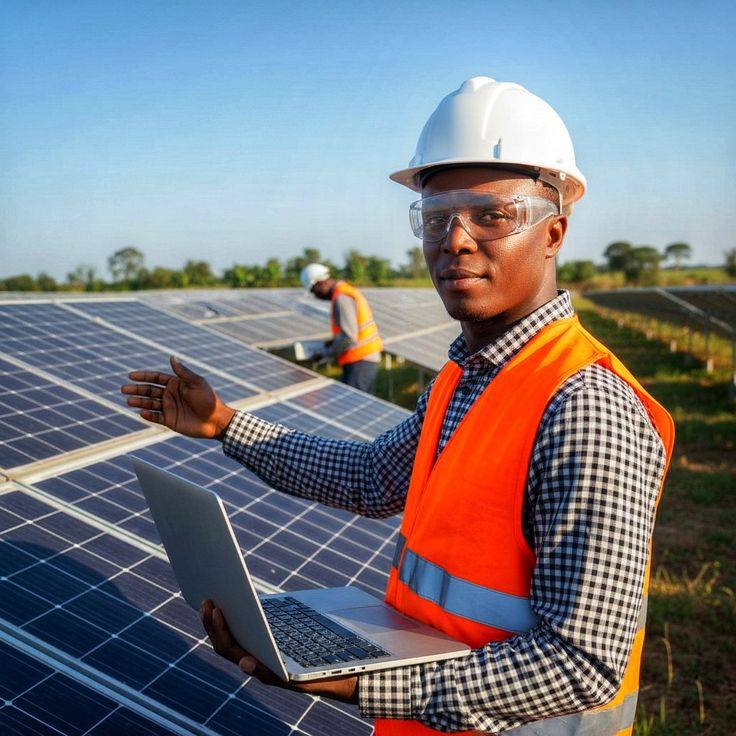
Solar energy is becoming more important in Nigeria every year. Rising electricity costs and unreliable power supply have encouraged many homes and businesses to invest in solar systems. At the same time, the Nigerian government continues to introduce policies that support renewable energy growth.
Understanding government policies on solar in Nigeria helps you make better investment decisions. It also helps you choose systems that meet industry standards. Whether you are installing solar for your home, office, school, or factory, knowing the rules and opportunities can save money and prevent costly mistakes.
In this guide, we’ll explain how government policies affect the solar industry, why they matter, and what they mean for homeowners and businesses.
Why Government Policies Matter
Government policies shape how the solar industry grows. They encourage investments, improve product quality, and create confidence among buyers.
Strong policies can help:
- Increase access to clean energy
- Improve electricity supply
- Reduce dependence on generators
- Encourage private investments
- Protect consumers from fake products
- Create jobs within the renewable energy sector
As more Nigerians adopt solar, supportive policies become even more important.
Nigeria’s Shift Toward Renewable Energy
Nigeria has enormous solar potential. Most parts of the country receive strong sunlight throughout the year. As a result, solar energy has become one of the country’s most promising renewable energy sources.
Furthermore, the government recognizes that relying only on the national grid cannot meet growing electricity demand. Therefore, renewable energy has become part of Nigeria’s long-term energy strategy.
Today, many public institutions, schools, hospitals, businesses, and residential estates are adopting solar systems to improve energy access.
Major Government Policies Supporting Solar Energy
Several national policies encourage the growth of solar energy.
1. Renewable Energy Policy
Nigeria promotes renewable energy through national energy plans that encourage cleaner power generation.
These policies aim to:
- Increase renewable energy capacity
- Reduce greenhouse gas emissions
- Improve electricity access
- Support sustainable development
2. Rural Electrification Programs
Millions of Nigerians still lack reliable electricity.
Consequently, government agencies continue supporting solar mini-grids and standalone solar systems in rural communities.
These projects provide:
- Electricity for homes
- Power for schools
- Healthcare facility electrification
- Agricultural productivity
As a result, many communities now enjoy reliable electricity for the first time.
3. Solar Mini-Grid Development
Instead of extending expensive transmission lines, many communities now receive electricity through solar mini-grids.
These systems power:
- Markets
- Villages
- Small businesses
- Health centres
- Community facilities
This approach provides affordable electricity while reducing dependence on diesel generators.
4. Private Sector Participation
The government also encourages private companies to invest in renewable energy.
Consequently, experienced solar companies like Jeho Ashar Energy continue helping homeowners and businesses install reliable solar systems using quality components and professional installation.
Standards That Protect Consumers
Quality standards help reduce fake and substandard products.
Government agencies work with industry stakeholders to encourage:
- Certified solar equipment
- Proper installation practices
- Quality electrical materials
- Safe battery storage
- Professional system design
These standards improve customer safety while increasing system reliability.
Importation of Solar Equipment
Nigeria imports many solar products.
These include:
- Solar panels
- Lithium batteries
- Hybrid inverters
- Solar cables
- Mounting structures
- Charge controllers
Government policies sometimes affect import duties, taxes, and product certification.
Therefore, buying from reputable solar companies helps ensure genuine products with proper warranties.
Consumer Protection in the Solar Industry
Solar systems require significant investment.
Therefore, consumers should receive quality products and professional service.
Government regulations encourage businesses to provide:
- Honest product information
- Warranty support
- Proper installation
- After-sales service
- Safe electrical practices
Customers should always request official quotations and warranties before making payments.
How Government Policies Benefit Homeowners
Supportive policies provide several advantages.
These include:
- Better product quality
- Improved installer standards
- Increased competition
- More financing opportunities
- Safer installations
- Greater consumer confidence
As the industry grows, homeowners gain access to better technology at more competitive prices.
Benefits for Businesses
Businesses also benefit from renewable energy policies.
Reliable solar power helps companies:
- Reduce operating costs
- Lower fuel expenses
- Improve productivity
- Protect equipment
- Reduce downtime
- Meet sustainability goals
Furthermore, stable electricity improves customer service and daily operations.
Challenges Facing Solar Growth in Nigeria
Although progress continues, several challenges remain.
These include:
- High upfront installation costs
- Limited financing options
- Counterfeit products
- Low public awareness
- Exchange rate fluctuations
- Shortage of skilled installers in some locations
However, government support and private investment continue improving the industry each year.
What Buyers Should Do Before Installing Solar
Government policies can only do so much.
Homeowners should also make smart decisions.
Before buying a solar system:
- Choose an experienced installer.
- Verify product warranties.
- Request a proper energy audit.
- Avoid unusually cheap offers.
- Ask for quality components.
- Confirm after-sales support.
- Compare system designs.
- Understand your energy needs.
These simple steps reduce installation problems later.
Why Choose Jeho Ashar Energy?
Choosing the right installer is just as important as choosing quality equipment.
At Jeho Ashar Energy, we provide complete solar solutions for homes, businesses, offices, schools, and industrial facilities across Nigeria.
Our services include:
- Professional solar installation
- Lithium battery solutions
- Hybrid inverter installation
- Solar panel installation
- System upgrades
- Maintenance services
- Technical support
- Energy consultations
We focus on quality products, professional workmanship, and long-term customer satisfaction.
Learn more about our solar solutions at https://www.abujasolar.com.
Conclusion
Government policies on solar in Nigeria continue to create opportunities for cleaner, more reliable electricity. Although challenges still exist, the future looks promising. Increased investment, stronger regulations, and better consumer awareness are helping the industry grow every year.
Whether you are installing solar for your home or business, understanding these policies allows you to make informed decisions. More importantly, partnering with a trusted installer ensures you receive a safe, efficient, and reliable solar system that delivers value for years.
Final Thought
Solar energy is becoming an essential part of Nigeria’s future. With supportive government policies and the right installation partner, switching to solar has never made more sense. If you’re ready to enjoy reliable power, visit https://www.abujasolar.com and discover how Jeho Ashar Energy can help power your future.