
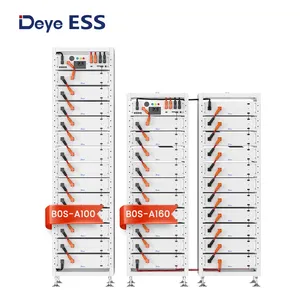
Solar batteries are becoming more popular across Nigeria. Many homes and businesses now rely on battery storage for stable electricity.
However, one important question keeps coming up.
Are Deye batteries really water resistant?
This question matters greatly, especially in Nigeria where heavy rainfall, humidity, dust, and outdoor installations are very common.
A damaged battery can affect your entire solar system. Therefore, understanding battery protection is extremely important before installation.
The good news is this.
Many Deye batteries are designed with strong protective features. However, water resistance does not mean waterproof.
This guide explains everything clearly. Therefore, you will understand how Deye batteries handle moisture, what protection ratings mean, installation safety tips, and how to protect your investment properly.
Understanding Water Resistance in Solar Batteries
Many people confuse water resistance with waterproofing.
However, both terms are different.
Water Resistant Means
The battery can resist limited water exposure under certain conditions.
Waterproof Means
The product can survive complete water exposure without damage.
Therefore, even water-resistant batteries still require proper installation and protection.
Why Water Resistance Matters in Nigeria
Nigeria experiences intense weather conditions.
For example:
- Heavy rainfall
- High humidity
- Dust storms
- Flooding in some areas
- Outdoor heat exposure
As a result, battery protection becomes extremely important.
A poorly protected battery may develop faults over time.
What Makes Deye Batteries Popular?
Deye batteries have become very popular in the Nigerian solar market.
This is because they offer:
- Good battery efficiency
- Modern lithium technology
- Long lifespan
- Smart communication features
- Reliable backup performance
In addition, many installers prefer them for residential and commercial projects.
Are Deye Batteries Really Water Resistant?
Yes, many Deye batteries are designed with water-resistant protection.
However, the level of protection depends on the battery model.
Some Deye batteries come with IP-rated protection systems.
These ratings show how resistant the battery is to dust and water exposure.
Therefore, checking the exact model specification is very important.
Understanding IP Ratings
IP stands for “Ingress Protection.”
This rating explains how well a device resists dust and water.
Example of Common IP Ratings
- IP20
- IP54
- IP65
- IP66
The higher the number, the better the protection level.
What Does IP65 Mean?
Many outdoor-compatible batteries use IP65 protection.
This means:
- Strong dust protection
- Resistance against water splashes and rain
However, it does not mean the battery should stay underwater.
Therefore, proper installation remains necessary.
Can Deye Batteries Be Installed Outdoors?
Some Deye battery models support outdoor installation.
However, installers still recommend additional protection.
Recommended Outdoor Protection
- Covered installation area
- Proper ventilation
- Elevated mounting position
- Rain shielding
As a result, the battery lasts longer and performs better.
Why Proper Installation Matters
Even water-resistant batteries can become damaged if installed poorly.
For example:
- Direct rain exposure
- Flood-prone locations
- Poor ventilation
- Incorrect cable sealing
These problems may reduce battery lifespan significantly.
Therefore, professional installation is extremely important.
Common Misunderstandings About Water Resistance
Many people assume water-resistant batteries can survive every weather condition.
However, this is incorrect.
Water Resistance Does NOT Mean
- Submerging batteries in water
- Leaving batteries under heavy rain permanently
- Installing batteries in flooded environments
- Ignoring ventilation requirements
Consequently, battery safety precautions still matter greatly.
Benefits of Water-Resistant Solar Batteries
Water-resistant batteries offer several important advantages.
Key Benefits
- Better durability
- Improved outdoor compatibility
- Reduced moisture damage
- Longer system reliability
- Better environmental protection
As a result, homeowners enjoy more dependable solar performance.
How Humidity Affects Solar Batteries
Humidity is common across many parts of Nigeria.
Over time, excessive moisture may affect electrical systems.
Possible Moisture Problems
- Corrosion
- Rust formation
- Electrical faults
- Reduced efficiency
Therefore, good battery sealing helps improve long-term reliability.
Best Places to Install Deye Batteries
Choosing the right location matters greatly.
Recommended Installation Areas
- Indoor utility rooms
- Well-ventilated storage spaces
- Covered outdoor enclosures
- Dry technical rooms
Meanwhile, avoid placing batteries:
- Directly under rain
- Near flooding areas
- In poorly ventilated spaces
As a result, the battery performs more efficiently.
Safety Tips for Battery Installation
Battery safety should always come first.
Important Safety Tips
- Use professional installers
- Avoid direct sunlight exposure
- Keep away from water leaks
- Ensure proper ventilation
- Use quality protection devices
Therefore, your solar system remains safer and more reliable.
Why Lithium Batteries Need Extra Care
Most modern Deye batteries use lithium technology.
Lithium batteries are highly efficient. However, they still require proper handling.
Advantages of Lithium Batteries
- Longer lifespan
- Faster charging
- Better efficiency
- Lower maintenance
Meanwhile, proper environmental protection helps maximize these benefits.
Real-Life Example
Imagine a homeowner in Lagos.
The area experiences heavy rainfall yearly. Meanwhile, the homeowner installs solar batteries outdoors without proper covering.
After several months, moisture begins affecting cable connections.
Later, battery performance reduces.
Now imagine another homeowner using:
- Covered installation
- Elevated mounting
- Proper ventilation
- Professional installation
As a result, the battery operates safely and efficiently for years.
Can Water Damage Void Battery Warranty?
In many cases, yes.
Manufacturers often reject warranty claims caused by improper installation or water damage.
Therefore, following installation guidelines is extremely important.
Always Check
- Manufacturer recommendations
- IP protection rating
- Approved installation conditions
- Warranty terms
Consequently, you avoid expensive future repairs.
Why Professional Installation Is Important
Solar batteries involve technical installation processes.
Professional installers help ensure:
- Safe wiring
- Correct positioning
- Proper ventilation
- Moisture protection
- Reliable performance
Therefore, expert installation protects your investment.
Why Choose Jeho Ashar Energy?
At Jeho Ashar Energy, we provide reliable solar solutions using high-quality products and professional installation practices.
What We Offer
- Genuine solar batteries
- Professional installation
- Expert technical support
- Reliable solar consultation
- Long-term maintenance guidance
As a result, customers enjoy safer and more dependable solar systems.
Conclusion
So, are Deye batteries really water resistant?
Yes, many Deye battery models offer strong water-resistant protection. However, they are not completely waterproof.
Therefore, proper installation, ventilation, and environmental protection still matter greatly.
With professional setup and good maintenance practices, Deye batteries can perform reliably for many years in Nigerian weather conditions.
Final Thought
A good battery is only part of a reliable solar system. Proper installation and protection are equally important for long-term performance and safety.

It’s really helpful how you explained the difference between water-resistant and waterproof. Many people assume batteries can handle all weather, but knowing the protection ratings makes it much easier to prevent damage and extend their lifespan.