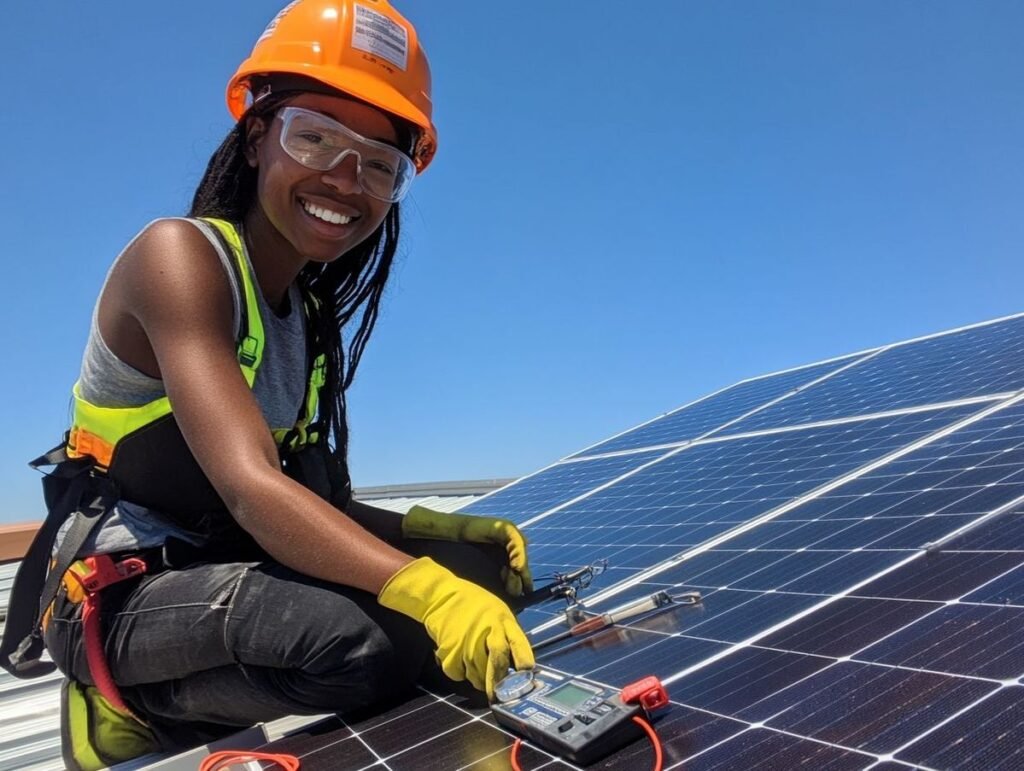
Solar panels work best when clean. Dust, bird droppings, leaves, and dirt reduce performance. As a result, your system may produce less power. Many homeowners in Nigeria ignore this simple task. However, proper cleaning helps your solar system last longer and work better.
At Jeho Ashar Energy, we often see systems losing efficiency because of poor maintenance. Fortunately, cleaning solar panels is simple when done correctly. This guide explains everything you need to know.
Why Clean Solar Panels Matter
Solar panels need sunlight to produce electricity. Therefore, anything blocking the surface reduces output. Even a thin layer of dust affects efficiency.
In Nigeria, dusty weather is common. In addition, rainwater sometimes leaves stains and dirt marks. As a result, panels may underperform over time.
Clean panels help you:
- Generate more power
- Charge batteries faster
- Improve inverter performance
- Extend panel lifespan
- Reduce energy waste
- Save more money long-term
For example, a dirty panel may lose 10% to 30% efficiency. Meanwhile, a clean system performs much better daily.
Common Things That Make Solar Panels Dirty
Many people think only dust affects panels. However, several other things also reduce performance.
Dust and Sand
This is very common in Nigeria. Harmattan season especially causes heavy dust buildup.
Bird Droppings
Bird waste blocks sunlight quickly. In addition, it may damage panel surfaces if ignored too long.
Leaves and Debris
Trees near rooftops often drop leaves. Consequently, airflow and sunlight become limited.
Water Stains
Dirty rainwater leaves mineral marks. Over time, these stains reduce efficiency.
Smoke and Pollution
Homes near busy roads or generators collect soot faster.
Signs Your Solar Panels Need Cleaning
Some homeowners wait until power drops badly. However, early cleaning prevents bigger problems.
Look for these warning signs:
- Batteries charge slowly
- Inverter shows lower solar input
- Visible dust buildup
- Uneven panel appearance
- Higher generator use
- Reduced daytime power supply
In particular, compare current performance with previous months. If output suddenly drops, dirt may be the cause.
How Often Should You Clean Solar Panels?
There is no single answer. It depends on location and weather conditions.
General Recommendation
Most homes should clean panels:
- Every 2–3 months
- After heavy dust storms
- During Harmattan
- After bird activity increases
Meanwhile, homes near dusty roads may need monthly cleaning.
During Rainy Season
Rain helps slightly. However, rain alone does not fully clean panels. Dirt still sticks to the surface.
Therefore, manual cleaning remains important.
Best Time to Clean Solar Panels
Timing matters greatly. Never clean hot panels under strong sunlight.
Ideal Cleaning Time
The best periods are:
- Early morning
- Late evening
- Cloudy afternoons
This prevents sudden temperature changes. In addition, it protects the glass surface.
Hot panels may crack if cold water touches them suddenly. Therefore, always allow panels to cool first.
Tools You Need for Proper Cleaning
You do not need expensive equipment. However, using the right tools prevents damage.
Recommended Cleaning Tools
Use these items:
- Soft sponge
- Microfiber cloth
- Soft brush
- Clean water
- Hose with gentle pressure
- Long extension pole
- Mild soap if necessary
Avoid These Items
Never use:
- Hard brushes
- Sharp objects
- Strong chemicals
- Pressure washers
- Detergents with bleach
- Rough scrubbing pads
These tools may scratch the panel glass permanently.
Step-by-Step Guide to Cleaning Solar Panels
Cleaning panels properly is simple. However, safety should come first.
Step 1: Turn Off the Solar System
Safety matters most. Therefore, switch off the inverter before cleaning.
If unsure, contact a professional technician.
Step 2: Inspect the Panels
Check for:
- Cracks
- Loose cables
- Bird nests
- Broken mounts
Do not clean damaged panels carelessly.
Step 3: Remove Loose Dirt
Use a soft brush first. This removes dust without scratching the surface.
Step 4: Rinse With Clean Water
Pour water gently across the panels. In addition, avoid excessive pressure.
Step 5: Wipe Carefully
Use a soft sponge or microfiber cloth. Clean slowly using circular movements.
Step 6: Remove Tough Dirt
For stubborn stains, use mild soap mixed with water.
However, avoid strong chemicals completely.
Step 7: Dry the Surface
Use a clean dry cloth. This prevents water spots.
Finally, turn the system back on and check inverter readings.
Important Safety Tips
Solar cleaning can be risky. Therefore, never ignore safety precautions.
Roof Safety Matters
Avoid climbing slippery roofs alone.
Use:
- Safety harnesses
- Non-slip shoes
- Stable ladders
Electrical Safety
Never touch exposed wires.
In addition, avoid spraying water directly into inverter units or connectors.
Hire Professionals When Necessary
Large systems require expert handling. Therefore, professional servicing may be safer.
At Jeho Ashar Energy, trained technicians provide safe inspection and maintenance services across Nigeria.
Mistakes People Make While Cleaning Solar Panels
Many homeowners accidentally damage their systems.
Using Harsh Chemicals
Strong cleaners damage protective coatings.
Cleaning Under Hot Sun
Sudden cooling causes thermal stress.
Scratching the Glass
Hard brushes leave permanent marks.
Ignoring Small Cracks
Tiny cracks grow bigger over time.
Walking on Panels
This may destroy internal solar cells completely.
Can Rain Clean Solar Panels?
Many people assume rain solves everything. However, rain only removes light dust.
Sticky dirt still remains.
For example:
- Bird droppings stay attached
- Oil stains remain visible
- Mud marks become harder
Therefore, proper cleaning remains necessary.
Professional Cleaning vs DIY Cleaning
Both methods work. However, each has advantages.
DIY Cleaning
Best for:
- Small systems
- Ground-mounted panels
- Light dirt buildup
Advantages include:
- Lower cost
- Quick maintenance
- Flexible timing
Professional Cleaning
Best for:
- Large systems
- Tall buildings
- Heavy dirt accumulation
- Technical inspections
Professionals also check wiring, battery performance, and inverter health.
How Clean Panels Improve Solar Performance
Clean panels absorb sunlight better. Consequently, the system works more efficiently.
Benefits include:
- Faster charging
- Longer battery backup
- Better appliance performance
- Reduced generator dependence
- Lower electricity costs
For example, many homeowners notice immediate improvement after proper cleaning.
Additional Solar Maintenance Tips
Cleaning alone is not enough. A complete solar system needs regular checks.
Monitor Battery Health
Weak batteries affect system performance greatly.
Check Cable Connections
Loose wires reduce efficiency.
Watch Inverter Readings
Abnormal readings may indicate faults.
Trim Nearby Trees
Shadows reduce solar output significantly.
Schedule Routine Inspections
Professional servicing prevents expensive repairs later.
Why Proper Maintenance Saves Money
Many people focus only on installation costs. However, maintenance protects your investment.
A neglected solar system may develop:
- Reduced efficiency
- Battery problems
- Overheating issues
- Wiring faults
- Shorter lifespan
Meanwhile, clean and maintained systems last much longer.
Therefore, regular cleaning helps maximize your return on investment.
Conclusion
Solar panels need proper care to perform well. Dust, dirt, and debris reduce energy production daily. Fortunately, cleaning solar panels is simple and affordable.
Use soft tools, clean carefully, and follow safety steps. In addition, avoid harsh chemicals and dangerous shortcuts. Most importantly, inspect your system regularly.
At Jeho Ashar Energy, we help homeowners and businesses maintain efficient solar systems across Nigeria. A clean system produces more power, saves more money, and lasts much longer.
Final Thought
Your solar system is an investment. Therefore, treat it properly. Clean panels today can mean better savings tomorrow.
The point about dust and dirt reducing solar output is especially relevant in areas with frequent dry and dusty conditions. One thing that has helped many homeowners is cleaning panels early in the morning or late in the evening to avoid temperature shock and streaks from quick evaporation. Regular maintenance really can make a noticeable difference in long-term system performance.