Solar panels can produce impressive amounts of electricity. However, their output can sometimes drop unexpectedly. You may notice lower production on certain days. Sometimes, the reduction can continue for weeks.
This does not always mean damaged panels. Several factors can affect solar panel performance. Weather, shading, dirt, installation, and system settings matter.
Therefore, understanding these causes is important. It helps you identify problems early. It can also prevent unnecessary replacement costs.
If your solar system produces less power, don’t panic. Start by checking the common causes below.
What Does Expected Solar Power Mean?
Solar panels have rated power outputs. For example, a 620W panel has a maximum rated output. However, it rarely produces 620W continuously.
Panel ratings use controlled testing conditions. Real-world conditions are usually different.
For example, output changes because of:
- Sunlight intensity
- Panel temperature
- Weather conditions
- Panel orientation
- Shading
- Dust accumulation
- System losses
- Equipment performance
Therefore, some production variation is completely normal.
The real concern comes from unusual or persistent drops.
1. Dirt and Dust Can Reduce Solar Output
Dirty panels are a common problem. Dust blocks some sunlight from reaching the cells.
This becomes especially important in dusty environments. Construction areas can also create more buildup.
Over time, dirt can reduce energy production significantly. Therefore, regular panel inspection is important.
How To Handle Dirty Panels
Inspect panels regularly for visible buildup.
If cleaning becomes necessary, use proper methods. Avoid abrasive materials that can damage surfaces.
Also, follow the manufacturer’s cleaning recommendations.
Rain can naturally remove some dust. However, heavy buildup may remain after rainfall.
Therefore, don’t assume rain always cleans everything.
2. Shading Can Reduce Panel Performance
Even partial shading can affect production.
Trees, buildings, poles, and nearby structures can create shadows.
For example, a growing tree may gradually shade your panels. The system may then produce less electricity.
Furthermore, shadows can move throughout the day.
Morning shading may affect production differently. Afternoon shading can create another problem.
Therefore, check your panels throughout the day.
Common Sources Of Shading
Look for:
- Trees
- Water tanks
- Buildings
- Antennas
- Poles
- Satellite dishes
- Nearby structures
- New construction
Removing unnecessary shading can improve production.
However, never remove trees without proper consideration. Instead, assess the safest solution first.
3. High Temperatures Can Reduce Output
Solar panels need sunlight.
However, excessive heat can reduce electrical performance.
This surprises many solar owners.
More sunlight does not always mean maximum output. Panel temperature also affects performance.
During extremely hot conditions, output may decrease.
Therefore, performance should always be judged against conditions.
Modern panels are designed for outdoor temperatures. Still, temperature losses remain normal.
4. Cloudy Weather Reduces Solar Production
Clouds reduce available sunlight.
Consequently, panels produce less electricity.
During heavy rainfall, production can fall significantly. The same can happen during prolonged cloudy periods.
However, solar panels can still produce power. They simply produce less energy than during strong sunshine.
Therefore, don’t immediately assume something is wrong.
Compare production across similar weather conditions.
5. Panel Orientation May Be Incorrect
Panel positioning affects energy production.
Solar panels should receive sufficient direct sunlight. Poor orientation can reduce daily energy generation.
The ideal positioning depends on your location.
Roof angles can also affect performance.
Therefore, proper site assessment matters before installation.
A professional installer should consider:
- Roof direction
- Roof angle
- Shading
- Local sunlight conditions
- Available installation space
Good positioning helps maximize solar production.
6. Poor Installation Can Affect Performance
Quality equipment still needs proper installation.
Incorrect wiring can cause energy losses. Poor connections can also create system problems.
Furthermore, improper installation can affect safety.
For example, loose connections may create resistance. This can result in power losses and overheating.
Therefore, installation quality matters as much as equipment quality.
Always use qualified solar professionals.
7. Solar Panel Degradation Is Normal
Solar panels gradually lose performance.
This process is called panel degradation.
It happens naturally over time.
However, quality panels are designed for long-term operation.
For example, Jinko Solar panels are built for long service life. Their performance warranties also help provide long-term confidence.
Therefore, older panels may produce slightly less power.
Sudden production drops require further investigation.
8. Faulty Cables Can Reduce Solar Production
Solar energy travels through cables.
Damaged cables can affect power transmission.
Loose connections can also cause problems.
Additionally, poorly sized cables may create voltage losses.
Look for visible signs such as:
- Damaged insulation
- Burn marks
- Loose connections
- Corrosion
- Exposed conductors
Never handle damaged electrical cables yourself.
Instead, contact a qualified technician.
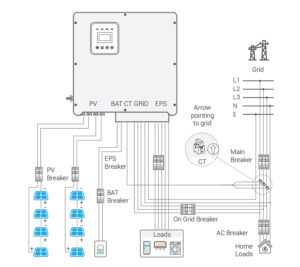
9. Your Inverter May Be Limiting Production
The inverter plays a major role.
It converts solar electricity into usable power.
However, inverter capacity can limit output.
For example, a large solar array connected to an undersized inverter may experience clipping.
Clipping occurs when the inverter cannot process additional power.
Therefore, solar panels may produce more power. Yet, the inverter may limit the amount delivered.
Proper system design prevents unnecessary limitations.
10. MPPT Problems Can Affect Performance
Many modern inverters use MPPT technology.
MPPT means Maximum Power Point Tracking.
It helps the inverter extract available energy.
However, incorrect configuration can affect performance.
String design also matters.
Different panel strings may have different voltage characteristics.
Therefore, proper string configuration is essential.
Deye inverters, for example, include advanced solar input management. Still, correct installation remains necessary.
11. Panel Damage Can Cause Lower Output
Physical damage can affect solar production.
Panels can suffer damage from several causes.
These include:
- Severe weather
- Falling objects
- Improper installation
- Transportation damage
- Cracked glass
- Hot spots
Some damage may not be immediately visible.
Therefore, unusual output changes deserve inspection.
Never walk directly on solar panels.
This can cause additional damage.
12. Poor System Monitoring Can Hide Problems
You cannot fix problems you don’t notice.
Regular monitoring makes solar system management easier.
Modern systems can provide useful performance information.
For example, you can monitor:
- Daily solar production
- Current power output
- Battery charging
- Inverter performance
- System warnings
- Historical production
Furthermore, comparing production over time can reveal patterns.
A sudden drop deserves attention.
How To Troubleshoot Low Solar Production
If your solar panels stop producing expected power, follow these steps.
Step 1: Check The Weather
Was the day cloudy?
Was rainfall heavy?
Were there unusual weather conditions?
If yes, lower production may be normal.
Step 2: Inspect The Panels
Look for visible dirt.
Check for obvious shading.
Also, inspect for physical damage.
Do not touch electrical components.
Step 3: Check Your Inverter
Look at the inverter display.
Check for warning messages.
Review today’s solar production.
Compare it with previous days.
Step 4: Check Historical Performance
One low-production day proves little.
Several low-production days matter more.
Compare similar weather conditions.
This provides better information.
Step 5: Contact A Professional
If production remains unusually low, seek professional assistance.
Technicians can test strings and electrical connections.
They can also inspect inverter performance.
How To Maintain Solar Panel Performance
Good maintenance can protect your investment.
Follow these simple practices:
- Keep panels reasonably clean.
- Monitor production regularly.
- Check for new shading.
- Inspect system alerts.
- Maintain proper ventilation.
- Use qualified installers.
- Inspect cables periodically.
- Address faults quickly.
- Avoid unnecessary modifications.
- Follow manufacturer guidelines.
Furthermore, keep system records.
Production records can help identify gradual changes.
Why Quality Panels Matter
Not all solar panels perform equally.
Manufacturing quality affects long-term performance.
Cell technology also makes a difference.
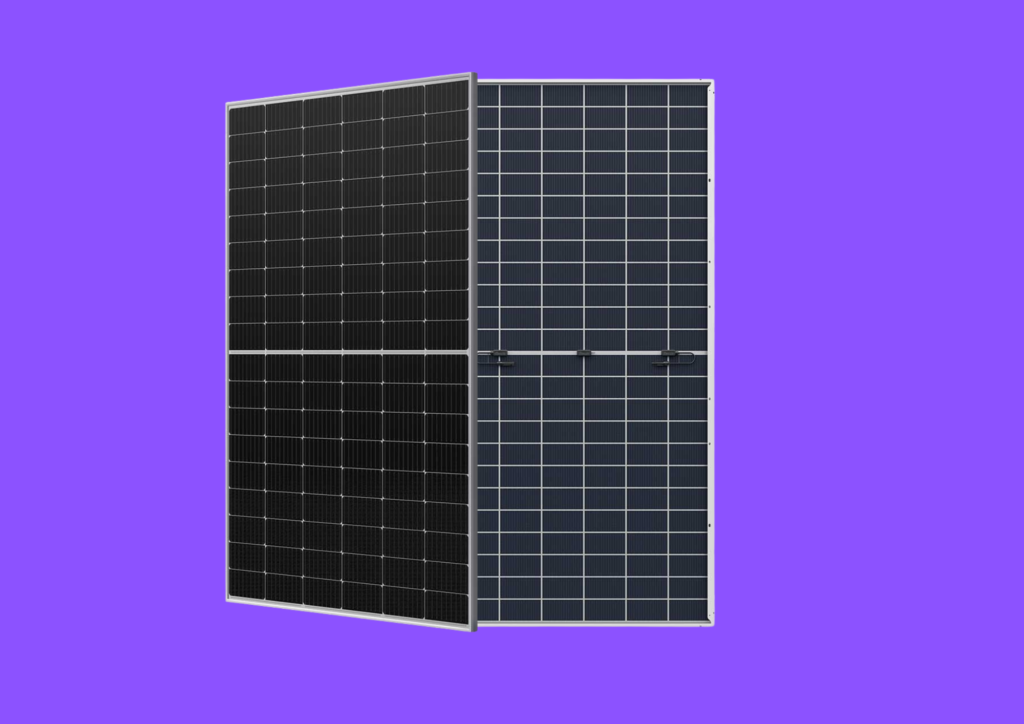
Modern N-type panels offer strong performance characteristics. Bifacial technology can also increase energy generation under suitable conditions.
Jinko Solar panels are among the products available through Jeho Ashar Energy.
The company supplies various Jinko panel capacities. These include popular high-wattage options for residential and commercial systems.
For example, high-power panels can help maximize available roof space.
However, panel selection should match your system design.
Why Professional Site Assessment Matters
Every installation site is different.
Therefore, solar systems should not be designed blindly.
A proper assessment considers your energy needs.
It also examines available installation space.
Other important factors include:
- Roof condition
- Shading
- Panel orientation
- Load requirements
- Inverter capacity
- Battery requirements
- Cable distances
- Future energy demand
Consequently, proper planning can prevent performance problems.
Jeho Ashar Energy provides solar equipment for different applications. You can explore available solutions at https://www.abujasolar.com.
When Should You Be Concerned?
Some production changes are normal.
However, certain signs deserve immediate attention.
Watch for:
- Sudden production drops
- Repeated inverter warnings
- One string producing poorly
- Unusual voltage readings
- Visible panel damage
- Burn marks
- Persistent low output
- Unexpected system shutdowns
These signs should not be ignored.
Professional inspection can identify the actual cause.
Conclusion
Understanding why solar panels stop producing expected power can protect your investment.
Low production does not always mean panel failure. Weather, dirt, shading, heat, installation, and system design all matter.
Furthermore, inverter performance can affect delivered energy. Cable problems and panel degradation can also contribute.
Therefore, monitor your system regularly.
Don’t judge performance from one cloudy day.
Instead, compare production over time. Check conditions before assuming something is wrong.
Most importantly, use quality equipment and proper installation.
A well-designed solar system can deliver reliable performance for years.
Final Thought
Your solar panels are an investment.
Protect that investment through proper monitoring.
When output drops unexpectedly, investigate early.
Small problems can become expensive later.
Learn more about quality solar solutions at https://www.abujasolar.com