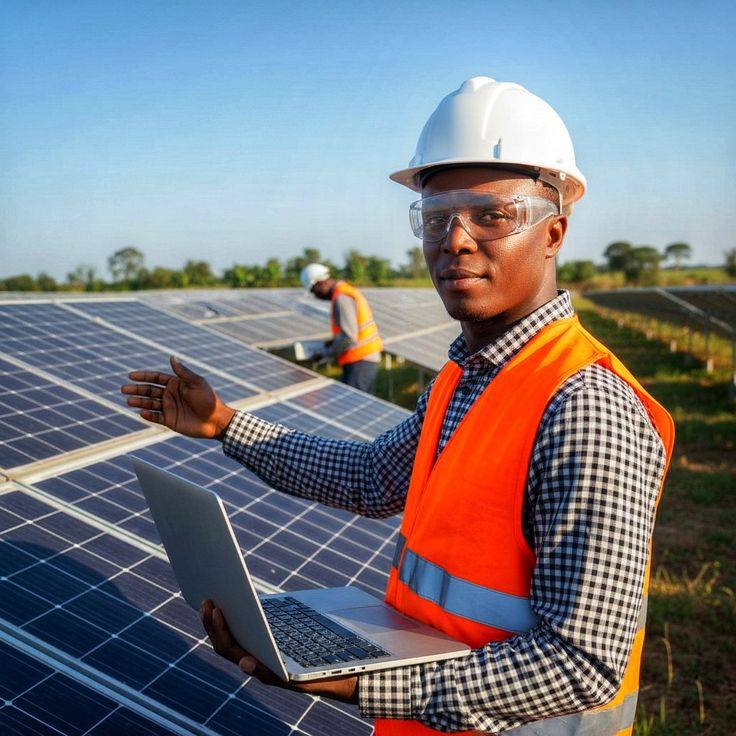
Solar power has become a smart investment for many Nigerian homes and businesses. However, installing a solar system is only the beginning. Proper maintenance is what keeps the system running efficiently for many years.
Many people believe solar systems require no maintenance at all. While solar systems are low-maintenance, they still need regular care. Dust, heat, poor wiring, and battery neglect can reduce performance over time. As a result, energy production may drop. Batteries may also fail earlier than expected.
The good news is simple. Maintaining your solar system does not need to be complicated. Small routine checks can prevent major problems. In addition, good maintenance helps protect your investment.
At Jeho Ashar Energy, many homeowners receive guidance on keeping their solar systems efficient, safe, and long-lasting.
Why Solar System Maintenance Matters
Solar systems work daily under harsh weather conditions. In Nigeria, sunlight, heat, rain, and dust affect solar equipment regularly.
Without maintenance:
- Solar panels become dirty
- Batteries lose efficiency
- Inverters may overheat
- Wiring problems may develop
- System performance may reduce
However, regular maintenance improves:
- Energy production
- Battery lifespan
- System efficiency
- Safety
- Long-term savings
Therefore, maintaining your solar system should never be ignored.
Main Parts of a Solar System That Need Maintenance
Understanding the major components helps homeowners maintain them properly.
Solar Panels
Solar panels absorb sunlight and generate electricity.
They face:
- Dust
- Bird droppings
- Rain
- Leaves
- Harmattan particles
Consequently, dirty panels may produce less energy.
Inverter
The inverter converts solar energy into usable electricity.
Inverters are sensitive devices. Therefore, they require proper ventilation and routine inspection.
Batteries
Batteries store electricity for later use.
Battery care is extremely important because batteries are often the most expensive part of the system.
Cables and Connections
Loose or damaged wiring affects performance and safety.
Routine checks help prevent electrical faults.
How to Maintain Solar Panels
Solar panels are durable. However, they still need regular cleaning and inspection.
Clean Panels Regularly
Dust reduces sunlight absorption. Consequently, energy production decreases.
Cleaning Tips
- Use soft water
- Use a soft cloth or sponge
- Clean early morning or evening
- Avoid harsh chemicals
- Do not use sharp objects
In dusty areas, cleaning every two weeks may help. Meanwhile, cleaner environments may only need monthly cleaning.
Check for Shading
Trees and nearby structures can block sunlight.
Even small shadows affect panel performance. Therefore, trim nearby branches regularly.
Inspect for Damage
Look for:
- Cracks
- Loose frames
- Broken glass
- Water entry
If damage appears, contact a professional immediately.
How to Maintain Solar Batteries
Battery maintenance greatly affects system lifespan.
Different battery types require different care levels.
Avoid Deep Discharge
Do not completely drain batteries regularly.
Deep discharge weakens batteries faster. Therefore, proper inverter settings matter.
Keep Batteries Cool
Heat damages batteries over time.
Battery rooms should have:
- Good ventilation
- Dry conditions
- Stable temperatures
Avoid placing batteries under direct sunlight.
Monitor Battery Performance
Watch for signs like:
- Fast discharge
- Slow charging
- Swollen battery casing
- Unusual smells
These signs may indicate battery problems.
Use Compatible Chargers
Wrong charging settings damage batteries.
At Jeho Ashar Energy, technicians help homeowners configure proper charging settings for long battery life.
How to Maintain Solar Inverters
Inverters are the brain of the solar system. Therefore, proper care matters greatly.
Ensure Proper Ventilation
Inverters generate heat during operation.
Poor airflow may cause overheating.
Good installation areas should:
- Stay cool
- Remain dry
- Have free airflow
Avoid enclosed spaces without ventilation.
Check Error Messages
Modern inverters display warning codes.
Never ignore repeated alarms or error notifications.
Common inverter warnings include:
- Low battery voltage
- Overload
- Overheating
- Grid faults
Early attention prevents bigger damage later.
Avoid Overloading
Too many appliances stress the inverter.
For example, running multiple air conditioners beyond system capacity may damage components.
Therefore, understand your inverter limits.
Inspect Electrical Connections
Loose wiring creates safety risks.
Routine inspections help detect:
- Burn marks
- Loose terminals
- Cable damage
- Rust
- Overheating
In particular, outdoor cables should remain protected from rain and rodents.
Keep the Installation Area Clean
The environment around the system matters too.
Avoid:
- Water leakage
- Dust buildup
- Rodent infestation
- Poor ventilation
Clean surroundings improve system performance and safety.
Common Solar Maintenance Mistakes
Many homeowners accidentally reduce system lifespan through poor maintenance habits.
Ignoring Small Problems
Minor faults often become major repairs later.
For example:
- Loose cables
- Battery warnings
- Reduced charging speed
Early repairs save money.
Using Unqualified Technicians
Poor handling damages expensive equipment.
Always use trained professionals for inspections and repairs.
Washing Panels Incorrectly
Pressure washing or harsh chemicals may damage panel surfaces.
Gentle cleaning works best.
Overloading the System
Many families add new appliances without upgrading the system.
Consequently, batteries and inverters become overstressed.
Signs Your Solar System Needs Attention
Your system may require servicing if you notice:
- Reduced backup time
- Slow battery charging
- Frequent inverter shutdown
- High electricity bills
- Low solar production
- Burning smells
- Strange inverter sounds
Never ignore these warning signs.
How Often Should Solar Systems Be Serviced?
Different components require different schedules.
Recommended Maintenance Schedule
Weekly
- Check inverter display
- Observe charging performance
Monthly
- Clean panels
- Inspect surroundings
- Check battery condition
Every 6 Months
- Professional inspection
- Cable testing
- System optimization
Yearly
- Full system servicing
- Battery performance analysis
- Load assessment update
Regular servicing improves efficiency significantly.
Practical Example
Imagine a homeowner in Abuja using a hybrid solar system.
For several months, the family notices shorter backup time. Meanwhile, inverter warnings appear regularly.
After inspection, technicians discover:
- Dust-covered panels
- Loose battery terminals
- Poor ventilation
Once cleaned and repaired:
- Charging improves
- Backup time increases
- System efficiency returns
This example shows why maintenance matters greatly.
Best Practices for Long Solar System Life
Following simple habits can extend system lifespan.
Use Energy-Efficient Appliances
Efficient appliances reduce strain on batteries and inverters.
Choose:
- LED bulbs
- Inverter air conditioners
- Low-energy refrigerators
Monitor Your Usage
Understand how much electricity your home consumes daily.
This helps avoid overload.
Expand Systems Properly
If your power needs grow, upgrade professionally.
Avoid random additions without proper calculations.
Keep System Records
Save:
- Installation details
- Warranty documents
- Maintenance reports
- Battery specifications
Good records simplify future servicing.
Why Professional Maintenance Matters
Professional technicians detect hidden problems early.
At Jeho Ashar Energy, trained solar experts help clients maintain systems safely and efficiently.
Professional servicing includes:
- System diagnostics
- Battery testing
- Performance optimization
- Firmware updates
- Safety inspections
As a result, homeowners enjoy better performance and longer equipment lifespan.
The Future of Solar Maintenance
Modern solar systems are becoming smarter.
New technologies now offer:
- Mobile monitoring apps
- Remote diagnostics
- Smart battery management
- Performance alerts
Therefore, maintaining solar systems is becoming easier than before.
Meanwhile, regular care will always remain important.
Conclusion
Knowing how to maintain your solar system is essential for long-term performance. A well-maintained system produces more energy, lasts longer, and saves more money.
Fortunately, solar maintenance does not require complicated steps. Simple cleaning, routine inspections, and proper battery care make a major difference.
In addition, professional servicing helps prevent expensive repairs later. Therefore, homeowners should treat solar maintenance seriously.
With proper care, a quality solar system can provide reliable electricity for many years.
Final Thought
Your solar system is a long-term investment. Protect it with regular maintenance, smart usage, and professional care for lasting performance.
A lot of people assume solar systems are completely maintenance-free, so I like that this post highlights how dust, heat, and battery care can directly affect performance over time. One thing that has also helped many system owners is keeping a simple maintenance schedule for panel cleaning and battery checks, especially during dusty seasons when efficiency can drop faster than expected.