
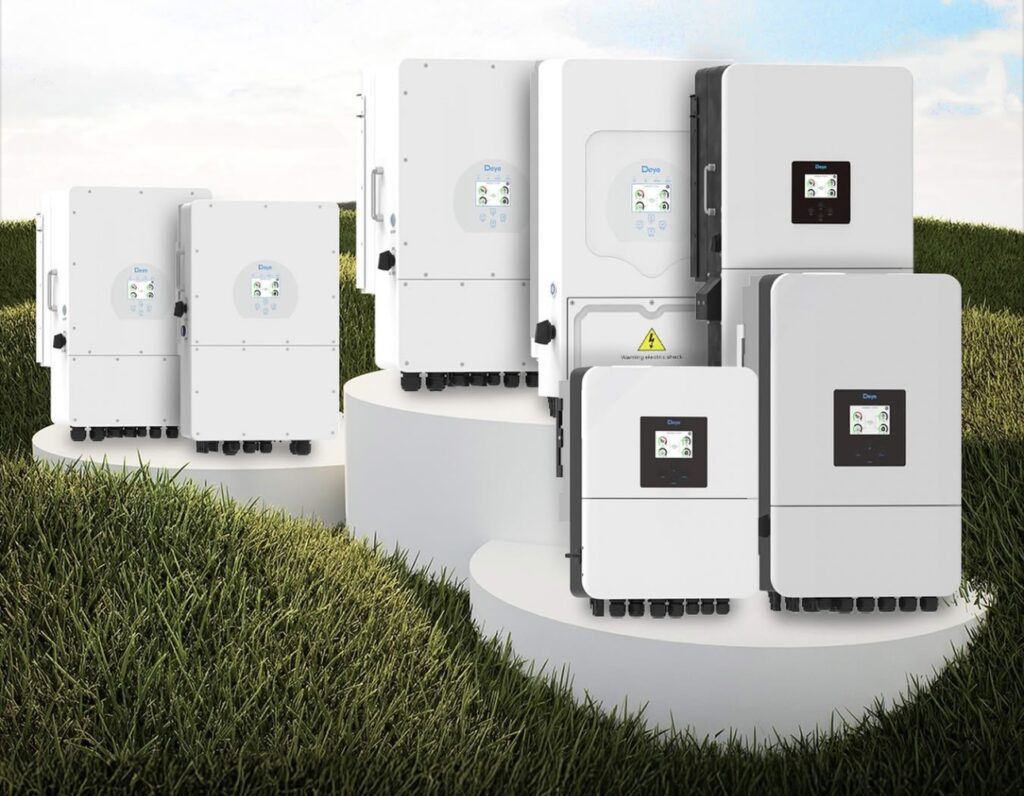
Choosing the right inverter is crucial. It determines how well your solar system performs. However, many people get it wrong.
Some choose too small. Others go too big. As a result, they either overload the system or waste money.
So, what size inverter do you need? This guide explains it clearly. Therefore, you can make the right choice with confidence.
What Is an Inverter?
An inverter is the heart of your solar system. It converts solar power into usable electricity.
Solar panels produce DC power. However, your home uses AC power. Therefore, the inverter makes energy usable.
Without the right inverter size, your system will not perform properly.
Why Inverter Size Matters
Inverter size affects performance and safety. It also determines how many appliances you can run.
If the inverter is too small, it will overload. In contrast, if it is too large, you spend more than needed.
Key Reasons to Choose the Right Size
- Prevent system overload
- Ensure stable power supply
- Maximize efficiency
- Protect your appliances
Therefore, proper sizing is essential.
Step 1: List Your Appliances
Start by identifying what you want to power. This gives you a clear picture.
List all appliances and their power ratings.
Common Household Appliances
- LED lights
- Fans
- Television
- Refrigerator
- Air conditioner
- Laptop and router
In addition, note how many of each you use.
Step 2: Calculate Total Power Load
Next, calculate the total wattage. This helps determine inverter size.
Add the power ratings of all appliances you will use at once.
Example Calculation
- 5 LED bulbs (10W each) = 50W
- 2 fans (75W each) = 150W
- TV = 120W
- Refrigerator = 200W
Total Load = 520W
However, this is not the final number yet.
Step 3: Add Extra Capacity
You should always add a safety margin. This prevents overload.
Experts recommend adding 20% to 30%.
Adjusted Load Example
520W + 30% = 676W
Therefore, you should choose an inverter above this value.
Step 4: Convert to kVA or kW
Inverters are often rated in kVA. Therefore, you need to convert watts.
Simple Guide
- 1 kVA ≈ 800W (for most systems)
Example
676W ÷ 800 ≈ 0.85 kVA
So, you should choose at least a 1 kVA inverter.
Common Inverter Sizes and What They Power
Understanding standard sizes helps you decide faster.
1 kVA Inverter
- Lights
- Fans
- TV
- Small electronics
Best for small homes or basic use.
2.5 kVA – 3.5 kVA Inverter
- Lights and fans
- TV and fridge
- Small office equipment
Suitable for medium homes.
5 kVA Inverter
- Multiple rooms
- Refrigerator
- Air conditioners (limited)
Ideal for larger homes or small businesses.
10 kVA and Above
- Full home power
- Multiple AC units
- Heavy appliances
Best for large homes or commercial use.
Consider Starting Power (Surge Load)
Some appliances need extra power to start. This is called surge power.
For example:
- Refrigerators
- Air conditioners
- Pumps
These appliances require more power briefly.
Therefore, your inverter must handle surge loads.
Battery and Inverter Matching
Your inverter must match your battery system. Both work together.
A larger inverter needs more batteries. Therefore, your budget will increase.
Key Tip
- Do not oversize the inverter without battery support
As a result, you maintain system balance.
Real-Life Example
A homeowner in Abuja wants solar power. They plan to run basic appliances.
Their load includes:
- Lights and fans
- TV and fridge
Total load is about 900W. After adding margin, it becomes 1,200W.
Therefore, they choose a 1.5 kVA or 2 kVA inverter.
As a result, their system runs smoothly without overload.
Common Mistakes to Avoid
Many people make sizing errors. These can be costly.
Avoid These Mistakes
- Choosing based on guesswork
- Ignoring surge power
- Oversizing unnecessarily
- Not planning for future needs
Above all, proper calculation is key.
Tips for Choosing the Right Inverter
Making the right choice saves money and stress.
Practical Tips
- Start with essential appliances
- Add safety margin
- Plan for future expansion
- Use energy-efficient devices
- Consult professionals
As a result, you get the best value.
Safety and Best Practices
Safety should always come first. Poor sizing can damage equipment.
- Avoid overloading
- Use certified installers
- Ensure proper wiring
- Maintain your system regularly
Therefore, your system stays safe and reliable.
Why Choose Jeho Ashar Energy?
At Jeho Ashar Energy, we help you choose the right inverter. We design systems tailored to your needs.
What You Get
- Accurate load assessment
- Proper inverter sizing
- High-quality components
- Expert installation services
Therefore, your system performs efficiently from day one.
Conclusion
So, what size inverter do you need? It depends on your energy usage and future plans.
By calculating your load and adding a safety margin, you can choose correctly. In addition, proper planning ensures long-term performance.
Final Thought
Do not guess your inverter size. Plan it right. A well-sized inverter gives you reliable power and peace of mind.
It’s really helpful to see a clear explanation of how inverters convert DC to AC. Many people don’t realize that choosing the wrong inverter size can not only reduce system efficiency but also shorten the lifespan of appliances. This makes proper sizing even more critical for a reliable solar setup.