
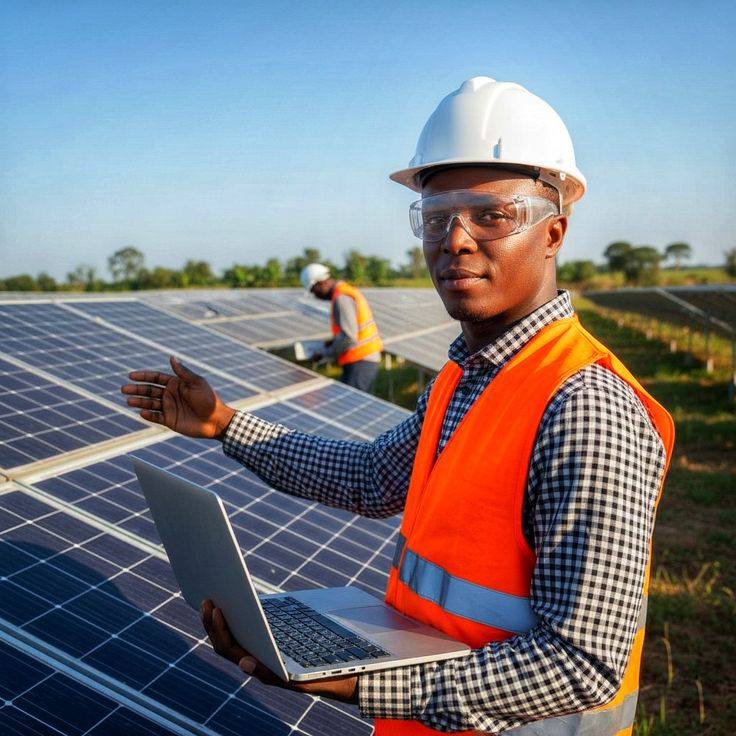
A Solar System This Holiday Season? The holiday season should bring comfort and relaxation. Families gather, businesses welcome more customers, and homes become busier. However, unreliable electricity can interrupt these plans and you need a solar system this holiday season.
Imagine preparing a family celebration. The refrigerator needs to stay powered. Lights must remain on throughout the evening. Entertainment equipment also needs electricity. Suddenly, the power supply goes off.
You may have to start your generator. Fuel expenses can quickly increase. Noise can also disturb peaceful gatherings.
This is where solar power becomes valuable. A properly designed system provides greater energy independence. It can also reduce dependence on generators.
Installing solar before the holidays offers several advantages. You can prepare your home ahead. You can also enjoy more reliable electricity. Here are important reasons to consider it.
1. Enjoy More Reliable Electricity During Family Gatherings
The holidays often bring more household activities. Relatives may visit for several days. More people also mean increased electricity consumption.
Refrigerators work harder during busy periods. Fans, televisions, and lighting remain in use. Phones and other devices need regular charging.
Power interruptions can disrupt these activities. A suitable solar system helps maintain electricity. It can support essential appliances during outages.
Appliances You Can Support With Solar
Depending on system capacity, solar can power:
- Household lighting.
- Refrigerators and freezers.
- Fans and televisions.
- Internet routers.
- Phone charging equipment.
- Selected air conditioners.
- Other suitable household appliances.
However, every system has limitations. Your equipment must match actual consumption. A professional assessment helps determine suitable capacity.
2. Reduce Dependence on Petrol and Diesel Generators
Generator expenses can increase during holidays. Families often spend more time indoors. Businesses may also extend operating hours.
This means more fuel consumption. Generator maintenance can add further expenses. Noise and fumes create additional inconvenience.
Solar offers another way to power appliances. It uses sunlight to generate electricity. Batteries can store energy for later use.
Where Solar Can Reduce Generator Usage
A properly sized system can help reduce:
- Daily generator running hours.
- Petrol and diesel purchases.
- Frequent generator servicing.
- Noise around the property.
- Exposure to generator fumes.
Solar does not eliminate every generator need. Performance depends on system capacity and weather. Nevertheless, it can reduce reliance significantly.
3. Keep Your Home Comfortable for Visiting Guests
Holiday visits often increase household electricity needs. Guests may stay overnight. Additional fans and charging points become necessary.
Air conditioning may also run more frequently. Refrigerators may contain more food. Lighting remains important during evening gatherings.
A properly designed solar system supports comfort. It helps power selected household appliances. It also reduces interruptions during important moments.
For example, imagine hosting relatives overnight. The television remains available for entertainment. Fans continue operating during a power outage. Your home feels more comfortable.
However, backup depends on appliance usage. Discuss expected loads before installation. This helps avoid unrealistic expectations.
4. Protect Food and Drinks From Power Interruptions
Food storage becomes especially important during holidays. Families often purchase groceries in larger quantities. Businesses may also stock additional products.
Frequent power interruptions can affect refrigeration. Freezers and refrigerators need consistent electricity. Temperature changes can compromise stored food.
A suitable solar system can support refrigeration. Battery storage helps maintain power overnight. This depends on the refrigerator’s consumption and system capacity.
Plan Your Refrigeration Requirements
Before installation, consider:
- Refrigerator and freezer power ratings.
- Daily operating requirements.
- Expected backup hours.
- Battery storage capacity.
- Inverter output capacity.
- Other appliances running simultaneously.
Do not underestimate refrigeration loads. Their continuous operation affects energy consumption. Proper sizing helps protect stored food.
5. Enjoy Better Support for Holiday Business Activities
Many businesses experience increased holiday activity. Shops may receive more customers. Restaurants and supermarkets may operate longer.
Power interruptions can affect daily operations. Point-of-sale equipment may stop working. Lighting and security systems may also fail.
Solar can support essential business equipment. It helps reduce dependence on public electricity. It can also reduce generator running hours.
Businesses That Can Benefit
Solar may support operations in:
- Retail shops.
- Restaurants and cafés.
- Supermarkets.
- Offices.
- Hotels and guesthouses.
- Small production facilities.
The required system depends on business activities. Heavy equipment needs careful assessment. A suitable design should reflect operating hours.
6. Prepare Before Electricity Demand Increases
Waiting until problems occur can create pressure. Holiday periods may bring increased installation requests. Equipment availability can also change.
Planning early gives you more time. You can compare products and quotations. You can also arrange a proper site assessment.
For example, a homeowner may wait until December. They suddenly decide to install solar. However, scheduling and preparation may become difficult.
Starting earlier allows better decisions. It also gives installers time for testing. You can address installation issues before celebrations begin.
What You Should Prepare
- List your household appliances.
- Identify essential backup loads.
- Estimate daily electricity consumption.
- Decide expected backup hours.
- Review available installation space.
- Request a professional assessment.
- Compare suitable equipment and quotations.
Good preparation reduces last-minute decisions. It also helps avoid unnecessary spending.
7. Make Better Use of Daytime Sunshine
Solar panels generate electricity from sunlight. Daytime production can support household activities. It can also recharge connected batteries.
This creates opportunities for smarter energy usage. You can operate suitable appliances during daylight. Stored energy can then support evening needs.
For example, you may run a washing machine. You could also operate a water pump. This depends on available solar generation.
Practical Daytime Energy Habits
- Run suitable appliances during sunshine.
- Charge devices when solar production is available.
- Monitor battery charging levels.
- Avoid unnecessary simultaneous heavy loads.
- Save stored energy for essential evening use.
These habits improve energy management. They can also help preserve battery backup.
8. Enjoy More Convenience During the Holidays
Generator operation requires regular attention. You must monitor fuel levels. You may also need to manage servicing.
Solar systems reduce some of these daily responsibilities. Once properly installed, they operate automatically. The inverter manages electricity according to configuration.
This makes household energy management easier. You spend less time handling generator tasks. You can focus more on family activities.
However, solar still requires occasional maintenance. Panels may need cleaning when dirty. Equipment should also receive proper inspections.
9. Invest in Long-Term Energy Reliability
Holiday benefits are only part of the picture. A solar system serves beyond one season. It can support everyday energy needs.
A properly selected system can provide long-term value. It may reduce generator fuel expenses. It can also improve electricity availability.
However, results depend on several factors. Equipment quality matters greatly. Installation workmanship also affects performance. Regular maintenance helps protect the investment.
Think Beyond the Holiday Period
Before purchasing, consider:
- Your long-term electricity requirements.
- Future household appliance additions.
- Battery expansion possibilities.
- Inverter capacity and limitations.
- Equipment warranty conditions.
- Availability of technical support.
Plan for realistic future needs. Avoid choosing equipment based only on price.
10. Choose Equipment That Matches Your Needs
A successful solar installation needs suitable components. Each component performs a different function. Their specifications must work together.
Solar panels generate electricity. The inverter manages power conversion and supply. Batteries store energy for later use.
For example, installing a large battery alone is insufficient. The inverter must support its requirements. Solar panels must also provide suitable charging energy.
Important Solar Equipment to Consider
Solar panels: These capture sunlight and generate electricity. Their combined capacity affects energy production.
Hybrid inverters: These manage solar power and connected loads. Some models also support grid or generator input.
Lithium batteries: These store electricity for later use. Their capacity affects available backup energy.
Installation accessories: Rails, cables, and protection devices support safe installation.
Jeho Ashar Energy supplies products from recognised brands. Its range includes Jinko solar panels. It also supplies Deye and Growatt hybrid inverters. Deye lithium batteries are available too.
The company also supplies solar rails, cables, and protection devices. However, every installation requires proper system assessment. Product compatibility should always be confirmed.
Explore available products at https://www.abujasolar.com.
11. Complete Your Installation With Proper Planning
Choosing equipment is only one step. Professional installation is equally important. Poor workmanship can affect system performance.
Before installation, request a proper energy assessment. Confirm the agreed equipment specifications. Review the installation plan carefully.
Your Pre-Installation Checklist
- Confirm your daily energy requirements.
- Check inverter and battery compatibility.
- Verify panel capacity and arrangement.
- Review the complete quotation.
- Confirm product warranty conditions.
- Choose qualified installation professionals.
- Ask about after-sales technical support.
After installation, request proper testing. Learn how to monitor the inverter. Understand battery levels and warning indicators.
This helps you use the system confidently. It also makes future troubleshooting easier.
Conclusion
The holiday season brings more household activities. Reliable electricity helps keep everything running. Solar can support these important moments.
It can power essential appliances during outages. It can also reduce generator dependence. Businesses may benefit from improved energy reliability. Families can enjoy greater everyday convenience.
However, proper planning remains essential. Choose equipment that matches your requirements. Work with qualified installation professionals. Understand the system’s limitations.
Do not wait for another power interruption. Start planning your solar installation early. Enjoy the holidays with greater energy confidence.
Final Thought
The best holiday preparation includes reliable electricity. Invest in a system that meets your needs. Let the season bring comfort, not power worries.
Learn more about quality solar solutions at https://www.abujasolar.com
