
Electricity is essential for daily life. However, getting stable power in Nigeria can be difficult. Many households rely on public electricity, often called PHCN. Yet, outages and rising tariffs remain common.
As a result, many people are turning to solar energy. It promises reliability and long-term savings. But which option is truly better?
In this guide, we compare solar energy vs PHCN clearly. This will help you make the right decision for your home or business.
Understanding PHCN (Public Power Supply)
PHCN refers to Nigeria’s public electricity system. Today, it operates through distribution companies. However, many people still use the old name.
PHCN power comes from the national grid. It is widely available. However, supply is often inconsistent.
Common PHCN Challenges
- Frequent power outages
- Unpredictable supply hours
- Rising electricity tariffs
- Voltage fluctuations
Therefore, relying only on PHCN can be frustrating.
What Is Solar Energy?
Solar energy comes from sunlight. It is converted into electricity using solar panels.
For example, panels capture sunlight during the day. Then, they power your home. In addition, batteries store energy for later use.
As a result, solar provides independent electricity.
Solar Energy vs PHCN: Key Comparison
Let’s compare both options side by side. This will show the real differences.
1. Reliability
PHCN power is often unstable. Outages can happen anytime.
On the other hand, solar energy provides consistent power. In addition, batteries ensure backup.
Winner: Solar Energy
2. Cost Over Time
PHCN may seem cheaper initially. However, bills increase over time. Tariffs can also change suddenly.
Solar requires upfront investment. However, running costs are very low.
Cost Comparison
- PHCN: Ongoing monthly bills
- Solar: One-time setup, long-term savings
Winner: Solar Energy
3. Power Availability
PHCN supply depends on the grid. Therefore, availability is uncertain.
Solar energy depends on sunlight. Fortunately, Nigeria has abundant sunshine.
In addition, batteries provide power at night.
Winner: Solar Energy
4. Environmental Impact
PHCN electricity often relies on fossil fuels. This contributes to pollution.
Solar energy is clean and renewable. It produces no harmful emissions.
Winner: Solar Energy
5. Maintenance and Convenience
PHCN requires little direct maintenance. However, you cannot control outages.
Solar systems require minimal maintenance. For example, panel cleaning and system checks.
In addition, solar gives you full control.
Winner: Solar Energy
Where PHCN Still Has an Advantage
Solar is powerful, but PHCN still has some benefits.
PHCN Advantages
- Lower initial cost
- No installation required
- Works without upfront investment
However, these benefits are short-term. In contrast, solar offers long-term value.
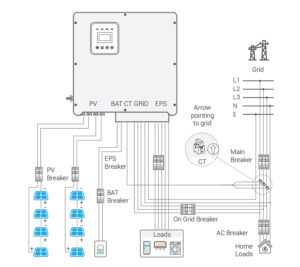
Combining Solar and PHCN (Hybrid Systems)
You do not always need to choose one. Many homeowners combine both systems.
A hybrid system uses solar as the main source. PHCN acts as backup when needed.
Benefits of Hybrid Systems
- Maximum reliability
- Reduced electricity bills
- Backup during low sunlight
Therefore, this option offers the best of both worlds.
Real-Life Example
Consider a family in Abuja. They rely only on PHCN.
- Power goes off frequently
- Bills keep increasing
- Generator use is high
Now, they install solar.
- Solar powers daily activities
- PHCN becomes backup
- Generator use drops
As a result, their lifestyle improves. Costs also reduce significantly.
Factors to Consider Before Choosing
Choosing between solar energy vs PHCN depends on your needs.
Important Factors
- Your energy consumption
- Your budget
- Frequency of outages in your area
- Need for backup power
In addition, long-term goals should guide your decision.
Tips for Switching to Solar
If you are considering solar, start wisely.
Helpful Tips
- Assess your energy needs
- Choose high-quality components
- Work with experienced installers
- Plan for battery storage
- Consider hybrid systems
As a result, you get maximum benefits.
Safety and Best Practices
Safety is important for both systems.
- Use certified installers for solar
- Avoid low-quality materials
- Ensure proper wiring
- Schedule regular maintenance
Above all, safety protects your investment.
Why Choose Jeho Ashar Energy?
Choosing the right provider matters. At Jeho Ashar Energy, we deliver reliable solar solutions.
What You Get
- Premium solar panels
- Efficient inverters and batteries
- Professional installation
- Ongoing support
Therefore, your transition to solar becomes smooth and successful.
Conclusion
So, solar energy vs PHCN: what’s better? Solar clearly offers more reliability, savings, and control. However, combining both can be even more effective.
As electricity challenges continue, solar becomes the smarter choice. Therefore, switching now gives you a long-term advantage.
Final Thought
Power should not be a daily struggle. Choose a solution that works for you. Solar energy puts you in control of your electricity.