
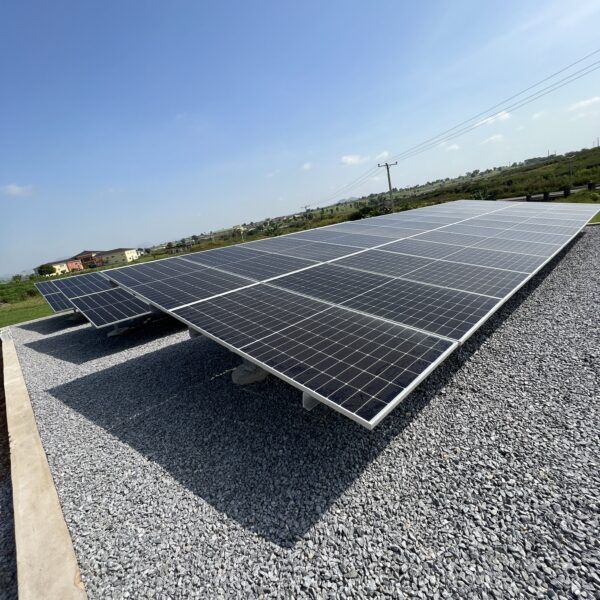
Many people believe solar panels only work when the sun is shining brightly. As a result, one of the most common questions from homeowners and businesses is whether solar power remains effective during cloudy weather.
The truth is that solar panels continue generating electricity even when the sky is overcast. Although production may decrease, modern solar technology is designed to capture both direct and indirect sunlight. Therefore, solar remains a reliable energy solution throughout the year.
Understanding solar performance on cloudy days helps homeowners make informed decisions and set realistic expectations. In this guide, we explain how solar systems perform during cloudy conditions and how you can maximize energy production regardless of the weather.
How Solar Panels Work
Solar panels generate electricity using photovoltaic cells.
These cells absorb sunlight and convert it into usable electrical energy. Most people associate solar power with bright sunshine. However, solar panels can also utilize diffuse sunlight.
Diffuse sunlight occurs when sunlight passes through clouds and spreads across the atmosphere.
Consequently, even when direct sunlight is limited, solar panels can still produce power.
This ability allows solar systems to operate during cloudy weather, rainy seasons, and hazy conditions.
Does Solar Work on Cloudy Days?
Yes, solar panels work on cloudy days.
However, power generation is lower compared to sunny conditions.
Cloud cover reduces the amount of sunlight reaching the panels. As a result, electricity production decreases.
The amount of reduction depends on several factors:
- Thickness of the clouds
- Duration of cloud cover
- Solar panel quality
- System design
- Installation angle
- Panel cleanliness
For example, light cloud cover may reduce output by 10% to 30%. On the other hand, dense storm clouds may temporarily reduce production by 50% or more.
Despite these reductions, the system continues generating electricity.
Why Solar Panels Still Generate Power
Many people assume solar panels require direct sunlight.
In reality, they require light rather than heat.
Even when clouds block the sun, a significant amount of solar radiation still reaches the earth.
Modern photovoltaic cells can absorb this indirect light.
Therefore, solar energy production continues throughout cloudy periods.
Furthermore, advancements in solar technology have improved low-light performance significantly over the years.
Today’s premium solar panels are far more efficient in cloudy conditions than older models.
How Much Power Can Solar Produce on Cloudy Days?
The answer varies from system to system.
A well-designed solar system may still generate a substantial amount of electricity during cloudy weather.
Typical performance levels include:
- Sunny day: 100% output
- Light clouds: 70%–90% output
- Moderate clouds: 40%–70% output
- Heavy clouds: 10%–40% output
These figures are estimates.
Actual performance depends on local weather conditions and equipment quality.
Consequently, systems with larger panel arrays often perform better during extended cloudy periods.
The Role of Batteries During Cloudy Weather
Battery storage becomes especially important when sunlight levels drop.
During sunny periods, excess solar energy charges the batteries.
Later, when cloud cover reduces production, stored energy supplies power to appliances.
Benefits of battery storage include:
- Reliable electricity supply
- Reduced generator dependence
- Better energy security
- Improved nighttime usage
- Greater energy independence
As a result, battery-backed solar systems remain highly effective during cloudy days.
Factors That Affect Solar Performance on Cloudy Days
Several factors influence how well your system performs.
Solar Panel Quality
Not all solar panels perform equally.
High-efficiency panels generally capture more sunlight under low-light conditions.
Therefore, investing in premium products often delivers better long-term results.
Panel Orientation
The direction and angle of installation affect energy generation.
Proper positioning maximizes sunlight exposure throughout the day.
System Size
Larger systems can compensate for cloudy weather by generating more overall energy.
Consequently, proper sizing is critical.
Battery Capacity
Adequate battery storage ensures continuous power availability during extended periods of reduced sunlight.
Maintenance
Dirty panels reduce performance.
Regular cleaning helps maintain maximum efficiency.
Common Myths About Solar and Cloudy Weather
Myth 1: Solar Stops Working Completely
This is one of the biggest misconceptions.
Solar panels continue generating electricity even when skies are cloudy.
Myth 2: Rainy Weather Makes Solar Useless
Rain may reduce output temporarily.
However, solar systems remain productive throughout rainy seasons.
Myth 3: Nigeria Is Too Cloudy for Solar
Nigeria receives abundant sunlight throughout the year.
Even during rainy months, solar remains a practical energy solution.
Benefits of Solar During Cloudy Conditions
Many people focus only on reduced output. However, solar still offers significant benefits during cloudy weather.
Lower Electricity Costs
Every unit of solar energy generated reduces reliance on alternative power sources.
Less Generator Usage
Fuel expenses continue rising.
Therefore, any solar production helps reduce generator running time.
Cleaner Energy
Solar remains an environmentally friendly power source regardless of weather conditions.
Long-Term Savings
Cloudy weather does not eliminate the financial benefits of solar investment.
Over time, savings continue to accumulate.
Practical Tips for Better Solar Performance
You cannot control the weather. However, you can improve system performance.
Keep Panels Clean
Dust, leaves, and bird droppings block sunlight.
Regular cleaning improves efficiency.
Install Quality Equipment
Premium solar panels often perform better in low-light conditions.
Monitor System Performance
Many modern inverters provide performance tracking.
This helps identify issues early.
Invest in Adequate Battery Storage
More battery capacity improves energy availability during cloudy periods.
Schedule Professional Maintenance
Routine inspections ensure every component operates correctly.
For professional solar maintenance and expert support, visit Abuja Solar Solutions.
A Real-Life Example
Imagine a small business in Abuja.
The business relies on solar power for lighting, computers, internet devices, and security systems.
During sunny days, the solar panels fully charge the batteries.
Then, during cloudy weather, the stored energy continues powering operations.
Although daily solar production decreases, the business remains productive.
This demonstrates how proper planning and battery storage help maintain reliable energy throughout varying weather conditions.
Why Professional System Design Matters
Many performance issues stem from poor design rather than weather.
An undersized system may struggle during cloudy conditions.
Common design mistakes include:
- Insufficient solar panels
- Small battery banks
- Poor inverter sizing
- Incorrect panel positioning
In contrast, a properly designed system accounts for seasonal changes and varying sunlight levels.
At Jeho Ashar Energy, solar solutions are designed for year-round performance, helping customers enjoy reliable electricity regardless of weather conditions.
You can learn more about solar installations and energy solutions at Abuja Solar Official Website.
Conclusion
Solar performance on cloudy days may not match production during bright sunshine, but solar panels continue generating electricity. Modern photovoltaic technology allows systems to capture indirect sunlight and maintain energy production even when skies are overcast.
Furthermore, quality equipment, proper system design, and adequate battery storage significantly improve performance during cloudy weather. With the right setup, solar remains one of the most dependable and cost-effective energy solutions available today.
Final Thought
Cloudy skies do not mean powerless days. A properly designed solar system can continue providing reliable electricity throughout the year. By investing in quality components and professional installation, you can enjoy consistent solar performance in both sunny and cloudy conditions.
One thing I appreciate about this guideSolar Panels Cloud Performance is the explanation that solar panels can use diffuse sunlight, not just direct sunshine. Many people assume cloudy weather makes solar ineffective, but understanding the difference between reduced output and zero output helps set more realistic expectations when planning energy usage throughout the year.