
Solar energy is becoming more popular every day. Many homes and businesses now rely on it for stable electricity. However, many people still ask an important question.
What makes up a complete solar system?
Understanding the components of a complete solar system is very important. It helps you make better decisions. In addition, it helps you avoid costly mistakes.
This guide explains each component clearly and simply. Therefore, you will understand how solar systems work together to provide reliable power.
Why Understanding Solar Components Matters
Many people buy solar systems without understanding the parts involved. As a result, they sometimes choose the wrong setup.
Knowing the components helps you:
- Choose the right system size
- Understand installation costs
- Maintain the system properly
- Avoid poor-quality products
Therefore, knowledge gives you confidence before investing.
Solar Panels
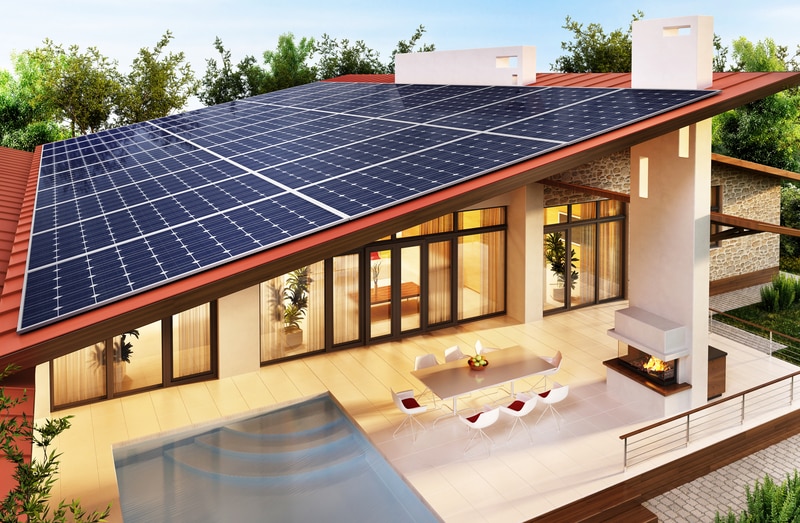
Solar panels are the most visible part of a solar system. They collect sunlight and convert it into electricity.
Without solar panels, there is no solar power generation.
How Solar Panels Work
Solar panels absorb sunlight during the day. Then, they generate direct current (DC) electricity.
This electricity moves to the inverter for conversion.
Types of Solar Panels
There are different panel types available.
Monocrystalline Panels
- Higher efficiency
- Sleek appearance
- Better performance in limited space
Polycrystalline Panels
- Lower cost
- Good performance
- Popular for budget systems
Therefore, your choice depends on budget and energy needs.
Solar Inverter
The inverter is the heart of the system. It converts DC electricity into AC electricity for home use.
Most household appliances use AC power. Therefore, the inverter is essential.
Types of Solar Inverters
Different systems use different inverter types.
Hybrid Inverter
- Works with batteries and grid power
- Flexible and efficient
- Popular in Nigeria
Off-Grid Inverter
- Fully independent from public power
- Ideal for remote areas
Grid-Tied Inverter
- Connected directly to public electricity
- Lower battery dependence
As a result, the inverter type affects system performance.
Solar Batteries
Batteries store electricity for later use. They are especially important at night or during cloudy weather.
Without batteries, stored power would not be available.
Types of Solar Batteries
Lithium Batteries
- Longer lifespan
- Faster charging
- Lower maintenance
Lead-Acid Batteries
- Lower upfront cost
- Widely used
- Requires more maintenance
Therefore, battery choice impacts long-term cost and reliability.
Charge Controller
The charge controller regulates electricity flow. It protects the batteries from overcharging or deep discharge.
This component is small but very important.
Main Functions
- Protects battery life
- Controls charging process
- Improves system safety
As a result, your batteries last longer.
Mounting Structure
Solar panels need strong support. Mounting structures hold them securely in place.
They also position panels for maximum sunlight exposure.
Common Types
- Roof-mounted structures
- Ground-mounted systems
Therefore, proper mounting improves efficiency and durability.
Solar Cables and Wiring
Cables connect all components together. They carry electricity safely across the system.
Poor wiring can reduce performance. In addition, it can create safety risks.
Important Features
- Heat resistance
- Weather protection
- Proper insulation
Therefore, quality wiring is essential.
Circuit Breakers and Protection Devices
Safety devices protect the system from electrical damage.
These include:
- Circuit breakers
- Surge protectors
- Fuses
As a result, your solar system stays safe during faults or power surges.
Distribution Board
The distribution board manages power flow within the building.
It distributes electricity safely to appliances and rooms.
Therefore, it acts as the control center for power delivery.
Monitoring System
Modern solar systems often include monitoring tools.
These systems track:
- Energy generation
- Battery status
- Power consumption
As a result, users can monitor performance easily.
Generator or Grid Backup (Optional)
Some systems include backup power sources.
Common Backup Options
- Public electricity connection
- Generator support
This is common in hybrid systems. Therefore, power remains stable during emergencies.
How All Components Work Together
Each component has a specific role. However, they work as one complete system.
Simple Process
- Solar panels collect sunlight
- Electricity moves to the inverter
- Batteries store excess energy
- Appliances receive usable power
As a result, your home enjoys reliable electricity.
Real-Life Example
Imagine a family in Abuja installing solar.
Their setup includes:
- Solar panels on the roof
- Hybrid inverter
- Lithium batteries
- Safety protection devices
During the day, solar powers the house. Excess energy charges the batteries. At night, stored energy powers appliances.
Therefore, the family enjoys stable electricity with reduced generator use.
Common Mistakes to Avoid
Many people focus only on panels. However, every component matters.
Avoid These Mistakes
- Buying low-quality batteries
- Ignoring safety devices
- Using poor wiring
- Choosing the wrong inverter size
Above all, system balance is important.
Tips for Choosing Quality Components
Good components improve performance and lifespan.
Smart Tips
- Buy from trusted suppliers
- Check product warranties
- Use certified installers
- Match components properly
As a result, your system performs efficiently for years.
Why Choose Jeho Ashar Energy?
At Jeho Ashar Energy, we provide complete solar solutions tailored to your needs.
What You Get
- High-quality solar components
- Expert system design
- Professional installation
- Reliable technical support
Therefore, you enjoy dependable solar power with confidence.
Conclusion
Understanding the components of a complete solar system helps you make smarter energy decisions.
Each part plays an important role. From solar panels to batteries and safety devices, every component works together for reliable electricity.
Therefore, investing in quality components ensures long-term performance and peace of mind.
Final Thought
A solar system is only as strong as its components. Choose wisely, install professionally, and enjoy reliable power for years to come.
