Many people install solar systems and expect them to work perfectly for years. While solar technology is highly reliable, regular servicing remains essential. Like any electrical system, solar equipment performs best when properly maintained.
A common question among homeowners and business owners is: “How often should solar be serviced?” The answer depends on several factors. These include system size, environmental conditions, usage patterns, and equipment quality.
Fortunately, solar maintenance is simple compared to maintaining generators. However, routine inspections and professional servicing can significantly improve system performance. More importantly, regular servicing helps protect your investment and extend equipment lifespan.
In this guide, we will explain how often solar should be serviced, what maintenance involves, and why it matters for Nigerian homes and businesses.
Why Solar Servicing Is Important
Solar systems operate every day. They are exposed to sunlight, heat, dust, rain, humidity, and other environmental conditions.
Over time, these factors can affect performance.
Regular servicing helps:
- Improve energy production
- Extend battery life
- Prevent unexpected failures
- Identify hidden problems
- Maintain safety standards
- Reduce long-term repair costs
Furthermore, routine servicing ensures your system continues delivering reliable power throughout the year.
How Often Should Solar Be Serviced?
In general, a solar system should receive professional servicing at least once every year.
However, some components may require more frequent attention.
Monthly Checks
Homeowners can perform basic inspections every month.
These checks include:
- Reviewing inverter performance
- Monitoring battery status
- Looking for warning indicators
- Checking energy production levels
Monthly monitoring helps detect problems early.
Quarterly Maintenance
Every three months, a more detailed inspection is recommended.
This includes:
- Cleaning solar panels
- Inspecting cables
- Checking mounting structures
- Reviewing battery performance
In dusty regions of Nigeria, quarterly cleaning is especially important.
Annual Professional Servicing
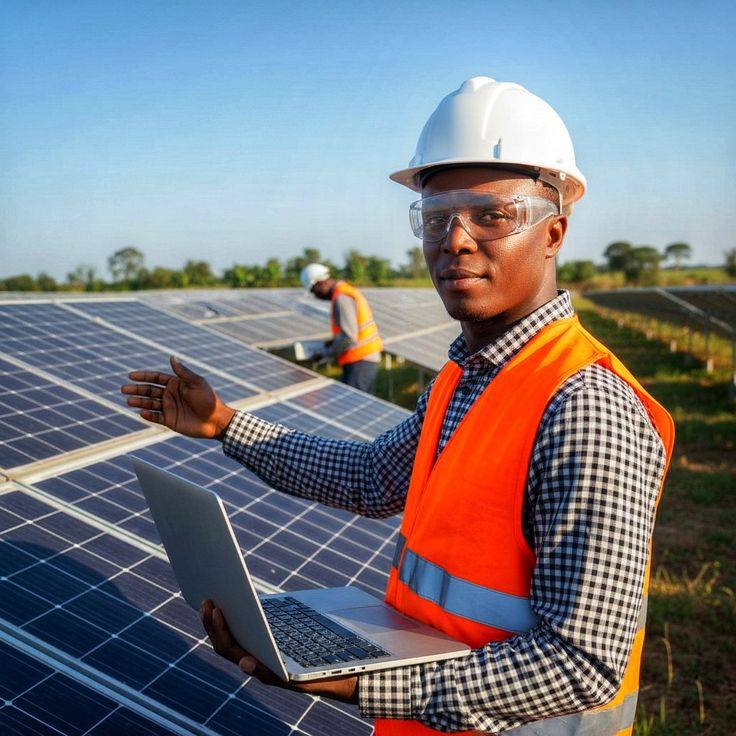
A qualified solar technician should inspect the entire system annually.
Professional servicing typically includes:
- Electrical testing
- Battery diagnostics
- Inverter inspection
- Wiring assessment
- Performance evaluation
- Safety checks
Annual servicing ensures every component remains in optimal condition.
Factors That Affect Servicing Frequency
Not every solar system operates under the same conditions.
Several factors determine how often maintenance is needed.
Environmental Conditions
Nigeria experiences varying weather conditions.
Some areas face:
- Heavy dust
- Harmattan winds
- High humidity
- Intense rainfall
Consequently, systems in dusty regions may require more frequent cleaning and inspections.
System Size
Larger systems often need more attention.
For example:
- Commercial installations
- Schools
- Hospitals
- Industrial facilities
These systems usually generate higher power loads and require more regular monitoring.
Equipment Quality
Premium products generally require less maintenance.
High-quality solar panels, batteries, and inverters often provide:
- Better durability
- Improved reliability
- Longer lifespan
Nevertheless, even the best equipment benefits from regular servicing.
Usage Patterns
Heavy daily usage increases wear on certain components.
This is particularly true for:
- Batteries
- Inverters
- Charge controllers
Systems powering large appliances may require more frequent inspections.
Components That Require Regular Servicing
A complete solar system contains several critical components.
Each part should be inspected periodically.
Solar Panels
Panels are constantly exposed to outdoor conditions.
Servicing includes:
- Cleaning dirt and debris
- Checking for cracks
- Inspecting mounting brackets
- Removing shading obstacles
Clean panels produce more energy.
Solar Batteries
Batteries are often the most expensive component.
Maintenance includes:
- Voltage checks
- Temperature monitoring
- Capacity testing
- Connection inspection
Proper servicing can significantly extend battery lifespan.
Solar Inverter
The inverter is the heart of the system.
Routine inspection helps identify:
- Error codes
- Overheating issues
- Communication faults
- Reduced efficiency
A healthy inverter ensures stable power delivery.
Wiring and Connections
Electrical connections should always remain secure.
Technicians inspect:
- Loose terminals
- Corrosion
- Damaged cables
- Rodent damage
Safe wiring protects both the system and the property.
Signs Your Solar System Needs Immediate Servicing
Sometimes your system will show warning signs before a failure occurs.
Do not ignore these indicators.
Watch for:
- Reduced power generation
- Frequent inverter alarms
- Short battery backup time
- Unexpected shutdowns
- Visible cable damage
- Burning smells
- System error messages
As a result, prompt servicing can prevent larger and more expensive problems.
Solar Panel Cleaning: How Often Is Enough?
Solar panels require periodic cleaning.
The frequency depends on local conditions.
Typical Cleaning Schedule
For most homes:
- Every 3 to 6 months
For dusty environments:
- Every 1 to 3 months
For commercial installations:
- Monthly inspections are recommended
Clean panels absorb more sunlight and improve energy production.
Best Practices for Solar Maintenance
Following simple habits can keep your system running efficiently.
Monitor System Performance
Review your inverter display regularly.
Compare current performance with previous months.
Sudden drops may indicate underlying issues.
Keep Panels Clean
Remove:
- Dust
- Leaves
- Bird droppings
- Debris
Clean panels improve efficiency.
Schedule Annual Servicing
Professional inspections remain one of the best investments in system longevity.
Even if everything appears normal, hidden issues can still exist.
Protect Batteries
Ensure batteries remain:
- Dry
- Well ventilated
- Free from excessive heat
Proper storage improves battery life.
Why Choose Jeho Ashar Energy?
At Jeho Ashar Energy, we understand the importance of maintaining a reliable solar system.
Our team provides:
- Solar system inspections
- Preventive maintenance
- Inverter diagnostics
- Battery testing
- System upgrades
- Professional servicing
We help homeowners and businesses across Nigeria maximize the value of their solar investment.
Learn more at https://www.abujasolar.com.
Conclusion
So, how often should solar be serviced?
Basic monitoring should happen monthly. Cleaning and detailed inspections should occur every few months. Most importantly, professional servicing should be performed at least once every year.
Regular maintenance improves efficiency, protects equipment, and reduces long-term costs. It also ensures your system continues delivering reliable power when you need it most.
Final Thought
A solar system is designed to serve you for many years. However, its performance depends on proper care. Regular servicing today can prevent costly repairs tomorrow and help you enjoy uninterrupted energy for years to come.
