
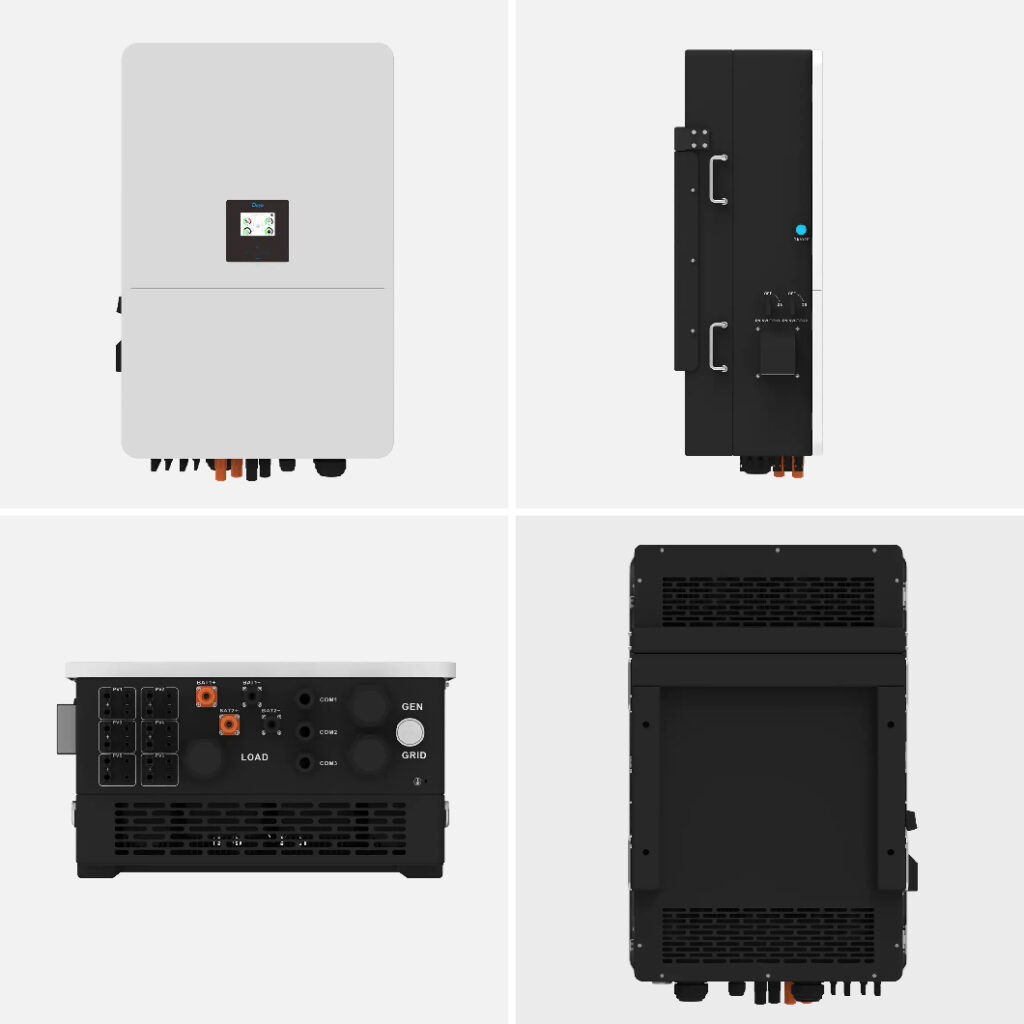
Solar systems are built to last. However, they are not completely maintenance-free. Many homeowners assume that once a solar system is installed, it will work perfectly for years without attention. Unfortunately, that is not always true.
Dust, heat, rain, electrical wear, and environmental conditions affect solar equipment over time. Therefore, regular servicing is essential. Proper servicing keeps your system efficient, reliable, and safe. It also helps you avoid expensive repairs and unexpected downtime.
At Jeho Ashar Energy, one of the most common questions we receive is: “How often should solar be serviced?” The answer depends on several factors. In this guide, we explain the ideal servicing schedule, what should be checked, and why regular maintenance matters.
Why Solar Servicing Is Important
Every solar system contains several components working together. These include solar panels, batteries, inverters, cables, protection devices, and mounting structures.
Over time, these components experience wear and tear. Consequently, performance may decline if problems go unnoticed.
Regular servicing helps:
- Improve energy production
- Extend battery lifespan
- Protect inverter performance
- Prevent costly repairs
- Improve safety
- Maximize return on investment
For example, a small loose connection may seem harmless. However, if ignored, it can lead to overheating and system failure.
Does Every Solar System Need Servicing?
Yes. Every solar system requires some level of maintenance.
Even premium systems need periodic inspections. While high-quality components last longer, they still operate under demanding conditions.
Factors that affect servicing frequency include:
- Dust levels
- Weather conditions
- System size
- Battery type
- Installation quality
- Usage patterns
Therefore, no solar system should be completely ignored after installation.
How Often Should Solar Be Serviced?
The ideal servicing schedule combines monthly checks, quarterly inspections, and annual professional maintenance.
Let’s examine each stage.
Monthly Solar Checks
Monthly inspections are simple. Most homeowners can perform them without technical knowledge.
What to Check Monthly
Inspect:
- Solar panel cleanliness
- Battery charging levels
- Inverter display readings
- Warning indicators
- Visible cable damage
Additionally, observe overall system performance.
Ask yourself:
- Is battery backup normal?
- Are appliances running properly?
- Is solar charging as expected?
These quick checks often reveal early warning signs.
Quarterly Solar Servicing
Every three months, a deeper inspection is recommended.
Quarterly servicing helps identify issues before they become serious.
Quarterly Checklist
Inspect:
- Panel mounting structures
- Electrical connections
- Battery terminals
- Cable insulation
- Charging performance
Furthermore, check for corrosion, overheating, or loose connections.
For example, a slightly loose battery terminal may not stop the system immediately. However, over several months it can reduce charging efficiency significantly.
Annual Professional Servicing
Every solar system should receive a complete professional inspection at least once per year.
This is one of the most important maintenance practices.
Annual Service Includes
Professional technicians usually perform:
- Battery health testing
- Inverter diagnostics
- Wiring inspection
- Performance analysis
- Safety checks
- System optimization
Consequently, hidden problems are detected before major damage occurs.
Annual servicing also helps maintain peak efficiency.
When Solar Systems Need More Frequent Servicing
Some environments require extra attention.
Dusty Locations
Areas affected by:
- Harmattan dust
- Construction sites
- Unpaved roads
often need more frequent maintenance.
Dust buildup reduces solar panel efficiency quickly.
Therefore, servicing every few months may be necessary.
Commercial Solar Systems
Businesses often use larger systems.
These systems:
- Run longer hours
- Power more equipment
- Experience heavier loads
As a result, more frequent inspections are recommended.
Heavy Battery Usage
Homes relying heavily on batteries should monitor them closely.
For example:
- Off-grid homes
- Areas with poor grid supply
- Homes using large loads
require more frequent battery checks.
Signs Your Solar System Needs Immediate Servicing
Sometimes you should not wait for the next maintenance schedule.
Certain warning signs require immediate attention.
Low Charging Performance
If batteries charge slower than usual, servicing may be needed.
This could indicate:
- Dirty panels
- Battery problems
- Wiring faults
- Inverter issues
Frequent Inverter Errors
Modern inverters display error messages when problems occur.
Never ignore repeated warnings.
Instead, schedule a professional inspection immediately.
Reduced Battery Backup
A healthy system should provide predictable backup time.
If backup duration suddenly decreases, servicing is necessary.
Possible causes include:
- Aging batteries
- Charging problems
- Excessive power consumption
Unusual Sounds
Solar systems normally operate quietly.
Listen for:
- Clicking noises
- Buzzing sounds
- Fan abnormalities
These symptoms may indicate electrical issues.
Physical Damage
Inspect for:
- Cracked panels
- Exposed wires
- Rust
- Water damage
Even small physical defects should be addressed quickly.
Components That Require Regular Servicing
Different solar components require different levels of attention.
Solar Panels
Solar panels generally need the least maintenance.
However, they should still be checked regularly.
Panel Servicing Includes
- Cleaning dirt and debris
- Inspecting for cracks
- Checking mounting brackets
- Removing shading obstacles
Clean panels produce more electricity. Therefore, routine cleaning improves overall performance.
Batteries
Batteries often require the most attention.
They directly affect system reliability.
Battery Maintenance Includes
- Voltage checks
- Capacity testing
- Terminal inspection
- Ventilation checks
Meanwhile, lithium batteries usually require less maintenance than lead-acid batteries.
Inverters
The inverter manages energy flow.
Therefore, proper servicing is critical.
Inverter Servicing Includes
- Error log reviews
- Cooling system inspection
- Firmware updates
- Performance testing
In addition, technicians verify charging and output settings.
Wiring and Protection Devices
Electrical connections must remain secure.
Servicing should include:
- Tightening terminals
- Inspecting breakers
- Testing surge protection
- Checking insulation
Consequently, safety risks are reduced significantly.
What Happens If You Skip Solar Servicing?
Ignoring maintenance often creates larger problems later.
Many system failures begin as small issues.
Without servicing, you may experience:
- Lower efficiency
- Faster battery wear
- Higher repair costs
- Reduced backup time
- Unexpected shutdowns
- Safety hazards
In contrast, routine maintenance helps avoid these problems completely.
Benefits of Regular Solar Servicing
The advantages of servicing extend far beyond cleaning panels.
Better Performance
Serviced systems generate more energy.
Therefore, batteries charge faster and appliances run more efficiently.
Longer Equipment Life
Maintenance reduces stress on components.
As a result, batteries, inverters, and panels last longer.
Lower Costs
Preventive maintenance is cheaper than major repairs.
Furthermore, efficient systems reduce generator dependence.
Greater Reliability
Nobody enjoys unexpected power interruptions.
Regular servicing keeps your system dependable throughout the year.
Practical Solar Maintenance Tips
Between professional service visits, homeowners can follow simple maintenance habits.
Best Practices
- Monitor inverter readings weekly
- Clean panels regularly
- Keep battery areas ventilated
- Remove nearby shading
- Watch for warning signs
- Schedule annual inspections
Most importantly, address small problems quickly.
A Real-Life Example
Imagine two homeowners.
The first cleans panels regularly and schedules yearly servicing.
The second ignores maintenance completely.
After several years, the first system continues performing efficiently. Meanwhile, the second system experiences battery failure, poor charging, and expensive repairs.
The difference often comes down to routine maintenance.
Why Choose Professional Solar Servicing?
While homeowners can perform basic inspections, professionals provide deeper analysis.
Professional servicing identifies:
- Hidden faults
- Performance losses
- Electrical risks
- Component wear
At Jeho Ashar Energy, our technicians perform comprehensive inspections to help customers maximize system performance and lifespan.
Conclusion
So, how often should solar be serviced?
The best approach combines monthly inspections, quarterly maintenance checks, and annual professional servicing. In addition, systems operating in dusty environments or under heavy usage may require more frequent attention.
Regular servicing improves efficiency, extends equipment life, and protects your investment. Furthermore, it helps identify small issues before they become costly problems.
A solar system is a long-term asset. Therefore, giving it proper care ensures years of dependable power.
Final Thought
Your solar system works every day to save you money and provide reliable electricity. A little maintenance today can prevent major expenses tomorrow and keep your system performing at its best.
A lot of people treat solar systems as a set-and-forget investment, so it’s helpful that you highlighted how dust, weather, and normal electrical wear can gradually reduce performance. Regular inspections can also catch small issues before they turn into costly repairs, which is something many homeowners tend to overlook.