
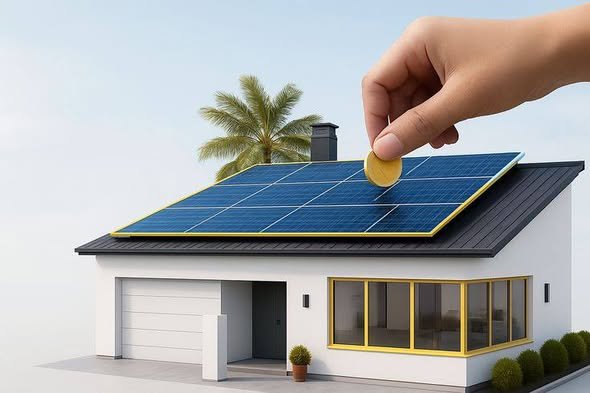
Electricity costs are rising fast. Power supply is also unreliable. Therefore, many Nigerians are turning to solar energy.
However, one big question remains. How do you budget for a solar system properly?
Solar is a smart investment. But without a plan, costs can feel overwhelming. This guide explains how to budget for a solar system step by step. As a result, you can make confident and informed decisions.
Why Budgeting for Solar Is Important
Solar systems require upfront investment. Therefore, proper budgeting helps you stay in control.
In addition, it prevents overspending. It also ensures you get the right system size.
As a result, you avoid costly mistakes and maximize value.
Step 1: Understand Your Energy Needs
The first step is knowing your power usage. This determines the size of your system.
Start by listing all appliances. Then, estimate how long you use them daily.
Common Appliances to Include
- Lights and fans
- Television
- Refrigerator
- Air conditioner
- Computers and routers
In addition, consider future needs. Therefore, your system can grow with you.
Step 2: Decide What You Want to Power
You do not need to power everything at once. Starting small is often a smart approach.
For example, focus on essential appliances first. Then, expand later.
Priority Items
- Lighting
- Fans
- Basic electronics
- Security systems
As a result, your initial cost becomes more manageable.
Step 3: Choose the Right Solar System Type
Different systems have different costs. Therefore, your choice affects your budget.
Common Options
- Off-Grid System
Fully independent but more expensive - Hybrid System
Balanced option with flexibility - Grid-Tied System
Lower cost but depends on public power
In short, choose based on your needs and budget.
Step 4: Understand the Cost Components
A solar system includes several parts. Each one affects the total cost.
Main Cost Components
- Solar panels
- Inverter
- Batteries
- Mounting structure
- Installation and wiring
In addition, quality impacts pricing. Therefore, invest wisely.
Step 5: Set a Realistic Budget Range
After understanding your needs, set a budget. This helps guide your decisions.
Typical Budget Ranges in Nigeria
- Small system: ₦800,000 – ₦1,800,000
- Medium system: ₦2,000,000 – ₦4,500,000
- Large system: ₦5,000,000 and above
These are estimates. However, actual costs may vary.
Step 6: Plan for Battery Costs
Batteries are a major expense. However, they are essential for backup power.
Larger battery capacity means higher cost. In addition, lithium batteries cost more but last longer.
Battery Budget Tips
- Start with basic backup
- Upgrade later if needed
- Choose durable options
As a result, you balance cost and performance.
Step 7: Consider Installation Costs
Installation is not free. It depends on system size and complexity.
Professional installation ensures safety and efficiency. Therefore, do not cut corners here.
What Affects Installation Cost
- System size
- Roof structure
- Wiring requirements
- Location
In addition, experienced installers deliver better results.
Step 8: Plan for Future Expansion
Solar systems are scalable. You can start small and expand later.
This approach reduces initial cost. It also spreads your investment over time.
Expansion Options
- Add more panels
- Increase battery capacity
- Upgrade inverter
As a result, your system grows with your needs.
Real-Life Example
Imagine a homeowner in Abuja. They want to switch to solar.
They start with essential appliances.
- Initial system cost: ₦1,500,000
- Monthly savings begin immediately
Later, they expand the system.
As a result, they manage costs effectively while enjoying reliable power.
Ways to Reduce Solar Costs
Solar can be expensive. However, smart planning helps reduce costs.
Cost-Saving Tips
- Start with essential loads
- Use energy-efficient appliances
- Compare multiple quotes
- Avoid cheap components
- Plan for gradual upgrades
Therefore, budgeting becomes easier.
Common Budgeting Mistakes to Avoid
Avoiding mistakes saves money and stress.
- Underestimating energy needs
- Choosing low-quality equipment
- Ignoring future expansion
- Hiring unqualified installers
Above all, proper planning is key.
Safety and Best Practices
Budgeting should also include safety. Cutting costs on safety can be risky.
- Use certified professionals
- Ensure proper wiring
- Invest in quality components
- Schedule regular maintenance
As a result, your system remains safe and efficient.
Why Choose Jeho Ashar Energy?
At Jeho Ashar Energy, we help you plan and budget effectively. We understand the Nigerian energy landscape.
What You Get
- Customized solar solutions
- Transparent pricing
- High-quality components
- Expert installation services
Therefore, your solar investment is well-managed from start to finish.
Conclusion
Learning how to budget for a solar system is essential. It helps you plan wisely and avoid unnecessary expenses.
Solar is a long-term investment. Therefore, proper budgeting ensures you get the best value.
Final Thought
Do not let cost stop you. Start small, plan smart, and grow over time. Solar energy is within your reach.