
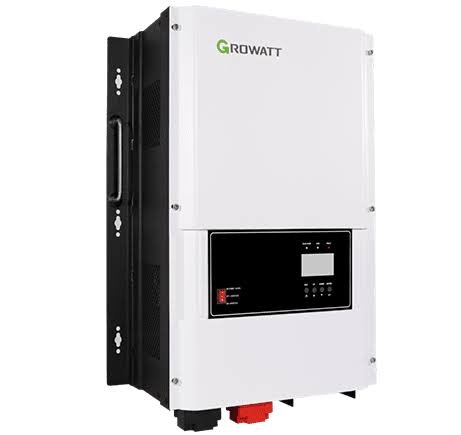
Power outages are a daily reality for many homes and businesses in Nigeria. As a result, inverter systems have become one of the most reliable ways to keep essential appliances running. However, many users unknowingly overload their inverters, expecting them to power more equipment than they were designed to handle.
An overloaded inverter does not simply stop working. It can reduce system performance, interrupt your power supply, shorten battery life, and even damage connected equipment if the problem continues. Fortunately, understanding the causes of inverter overload can help you prevent costly repairs and extend the life of your solar investment.
In this guide, you’ll learn what happens when an inverter is overloaded, the warning signs to watch for, common mistakes that cause overload, and practical ways to protect your system. At Jeho Ashar Energy, we design complete solar systems using genuine Deye and Growatt hybrid inverters, premium Jinko solar panels, and high-performance lithium batteries.
What Does an Inverter Overload Mean?
An inverter overload happens when connected appliances demand more power than the inverter can safely supply.
Every inverter has a maximum output rating. For example, a 5kW inverter is designed to provide up to 5,000 watts of power under normal operating conditions. If your appliances require more than that, the inverter becomes overloaded.
Fortunately, modern hybrid inverters include built-in protection systems. Instead of allowing permanent damage, they usually disconnect the load or display an error message.
Why Do Inverters Become Overloaded?
Several situations can cause an inverter overload.
Too Many Appliances Running Together
This is the most common cause.
For example, your inverter may comfortably power lights, fans, and a television. However, adding an air conditioner, water pump, microwave, and electric kettle at the same time may push the system beyond its capacity.
High Starting Current
Some appliances need much more electricity during startup than during normal operation.
These appliances include:
- Refrigerators
- Air conditioners
- Water pumps
- Deep freezers
- Electric motors
Although the surge only lasts a few seconds, it may still overload a smaller inverter.
Incorrect Inverter Size
Sometimes the problem begins during installation.
Choosing an inverter without calculating your actual electricity demand often results in an undersized system. Consequently, overload becomes a regular occurrence.
Future Expansion
Many homeowners purchase additional appliances after installing their solar system.
For example, you may later add:
- Another refrigerator
- Extra air conditioners
- Washing machine
- Home office equipment
- CCTV system
If the inverter was not sized for future expansion, these additions may exceed its capacity.
Warning Signs of an Overloaded Inverter
Your inverter usually gives clear signs before serious problems develop.
Watch for the following symptoms:
- Overload warning messages
- Audible alarm or beeping
- Automatic shutdown
- Frequent restarts
- Flickering lights
- Appliances switching off unexpectedly
- Reduced inverter performance
- Error codes on the display
Ignoring these warnings may lead to more serious issues over time.
What Actually Happens During an Overload?
Many users panic when their inverter suddenly shuts down.
In reality, this shutdown is often a safety feature.
Protective Shutdown
Modern Deye and Growatt hybrid inverters automatically disconnect power when overload occurs.
This prevents overheating and protects sensitive internal components.
Heat Build-Up
When an inverter works beyond its rated capacity, it generates more heat.
If cooling systems cannot remove this heat quickly enough, the inverter may temporarily stop operating.
Battery Stress
Overloading also affects your batteries.
Higher power demand means higher battery discharge rates. Consequently, batteries drain faster and experience increased wear.
Reduced Equipment Lifespan
Repeated overload events force the inverter to operate under stressful conditions.
Although protection systems help, constant overloading can eventually shorten the lifespan of internal components.
Can an Overloaded Inverter Be Damaged?
Yes, although modern inverters include safety protection.
If overload happens occasionally, the inverter usually protects itself by shutting down.
However, repeated overload over several months or years may contribute to:
- Component wear
- Reduced efficiency
- Higher maintenance costs
- Shorter equipment lifespan
Therefore, solving the root cause is much better than repeatedly resetting the inverter.
Real-Life Example
Consider a family that installed a 5kW hybrid inverter.
Initially, the system powered:
- Lighting
- Television
- Refrigerator
- Fans
- Internet router
Everything worked perfectly.
A year later, they added:
- Two air conditioners
- Water pump
- Microwave
- Washing machine
Soon afterward, the inverter began displaying overload warnings every evening.
After a professional energy assessment, Jeho Ashar Energy upgraded the system to match the family’s increased electricity demand. Since then, the overload warnings have disappeared, and the system operates smoothly.
How to Prevent Inverter Overload
Fortunately, preventing overload is straightforward.
Calculate Your Total Load
Before purchasing an inverter, calculate the wattage of all appliances that may run simultaneously.
This helps determine the correct inverter capacity.
Consider Surge Loads
Do not focus only on normal running power.
Also consider the higher startup power required by refrigerators, pumps, and air conditioners.
Choose the Right Inverter
Selecting a genuine Deye or Growatt hybrid inverter with sufficient capacity helps avoid future overload problems.
Professional installers can recommend the most suitable size for your home or business.
Plan for Future Growth
Think beyond your current electricity needs.
If you expect to purchase additional appliances within the next few years, mention this during system design.
Planning ahead often costs less than replacing the inverter later.
Avoid Running Everything Together
If your inverter is close to its limit, avoid switching on several high-power appliances simultaneously.
Instead, spread heavy loads throughout the day whenever possible.
How Professional System Design Helps
A quality solar installation begins long before equipment is installed.
Professional engineers evaluate:
- Daily electricity usage
- Peak demand
- Battery capacity
- Solar panel output
- Appliance startup current
- Future expansion
- Backup requirements
This process ensures your inverter operates safely within its designed limits.
At Jeho Ashar Energy, every project starts with a detailed energy assessment before any equipment recommendation is made.
Why Quality Components Matter
Even the best inverter performs poorly if other system components are inadequate.
A complete solar system should include:
- Genuine hybrid inverter
- Premium solar panels
- High-quality lithium batteries
- Proper protection devices
- Correct cable sizing
- Professional installation
When these components work together, your entire system becomes more efficient, reliable, and durable.
Why Choose Jeho Ashar Energy?
At Jeho Ashar Energy, we provide complete solar solutions tailored to your electricity needs.
Our product range includes:
- Genuine Deye Hybrid Inverters
- Genuine Growatt Inverters
- Premium Jinko Solar Panels
- Lithium Battery Systems
- Solar Mounting Structures
- Protection Devices
- Solar Cables
- Professional Installation
- Preventive Maintenance
- Technical Support
Rather than recommending the same inverter for every customer, we carefully calculate your electrical load before suggesting equipment. This approach minimizes overload risks and improves long-term system performance.
Whether you need solar power for your home, office, school, hospital, or industrial facility, our experienced engineers are ready to help.
Visit https://www.abujasolar.com to explore our products and request professional guidance.
Common Mistakes That Lead to Overload
Avoid these common errors:
- Buying an inverter based only on price.
- Ignoring future electricity needs.
- Adding appliances without reassessing capacity.
- Underestimating startup current.
- Using poor-quality batteries.
- Installing undersized cables.
- Skipping professional installation.
Avoiding these mistakes improves safety and extends equipment life.
Conclusion
So, what happens when an inverter is overloaded?
In most cases, the inverter protects itself by shutting down or displaying an overload warning. However, repeated overloads can reduce efficiency, stress your batteries, interrupt your electricity supply, and shorten the lifespan of your equipment. Fortunately, these problems are almost always preventable with proper system design.
The best solution is choosing an inverter that matches both your current and future electricity needs. Working with experienced professionals also ensures your solar system performs efficiently for many years.
Final Thought
An inverter should deliver reliable power—not constant overload warnings. Invest in the right system from the beginning and enjoy uninterrupted electricity with confidence.
Learn more about quality solar solutions at https://www.abujasolar.com