
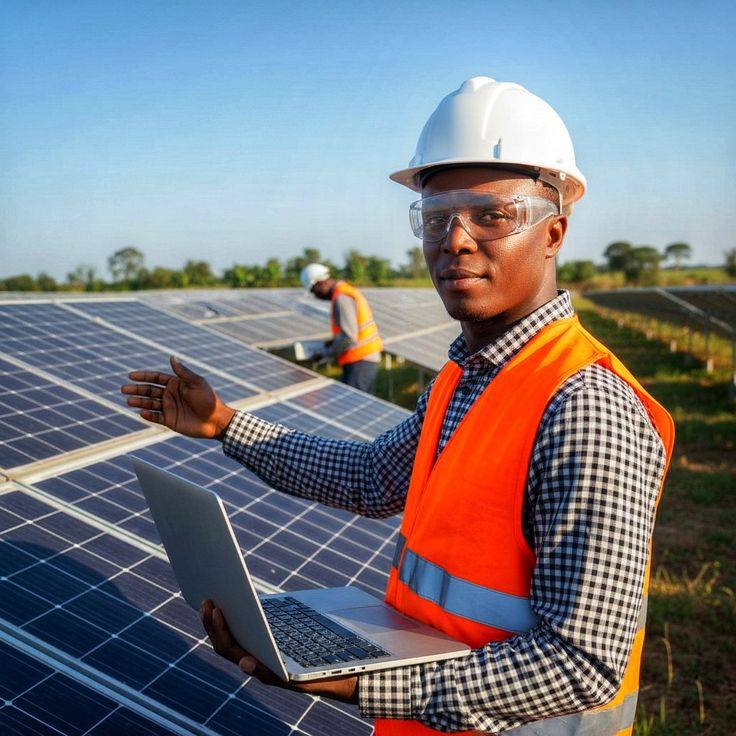
Solar energy offers reliable and long-term power. However, a poorly designed system can create endless frustration.
Many homeowners invest heavily in solar. Unfortunately, some systems fail because of simple design mistakes. As a result, users experience weak performance, damaged components, and wasted money.
Understanding common solar system design mistakes is very important. It helps you avoid costly problems. In addition, it ensures your system performs efficiently for years.
This guide explains the most common mistakes clearly and simply. Therefore, you can make smarter decisions before installing solar.
Why Proper Solar System Design Matters
A solar system is more than just panels and batteries. Every component must work together correctly.
Poor design affects:
- Power reliability
- Battery lifespan
- Energy efficiency
- Appliance safety
Therefore, proper planning is essential.
A well-designed system saves money long-term. On the other hand, a poorly designed system creates continuous expenses.
Mistake 1: Wrong Load Calculation
One of the biggest mistakes is incorrect load estimation.
Many people underestimate their energy needs. Others ignore future expansion.
What Happens Next?
- Inverters overload
- Batteries drain quickly
- Appliances stop working properly
As a result, the system struggles daily.
How to Avoid This Mistake
Start by listing all appliances.
Include:
- Bulbs
- Fans
- Refrigerators
- Air conditioners
- TVs
- Water pumps
Then calculate their total wattage.
In addition, consider appliances that start with surge power.
Therefore, accurate load calculation improves system sizing.
Mistake 2: Choosing the Wrong Inverter Size
Some people buy smaller inverters to reduce costs. However, undersized inverters create serious problems.
Common Problems
- Frequent shutdowns
- Overheating
- Appliance damage
- Reduced performance
On the other hand, oversized inverters may waste money unnecessarily.
Therefore, inverter capacity should match your actual load.
Mistake 3: Using Poor-Quality Batteries
Batteries are critical for energy storage.
Unfortunately, some users buy cheap batteries to save money upfront. However, low-quality batteries fail quickly.
Problems Caused by Poor Batteries
- Short lifespan
- Weak backup time
- Frequent replacements
- Reduced efficiency
As a result, overall system performance drops significantly.
Mistake 4: Insufficient Solar Panels
Some systems have too few solar panels.
This means the batteries do not charge fully. Consequently, users experience weak backup performance.
Signs of Insufficient Panels
- Batteries drain quickly
- Inverter switches frequently
- Limited daytime power
Therefore, proper panel sizing is very important.
Mistake 5: Ignoring Roof Position and Shading
Solar panels need maximum sunlight exposure.
However, some installations ignore roof direction or nearby shadows.
Common Sources of Shading
- Trees
- Buildings
- Water tanks
- Antennas
Even small shadows can reduce efficiency greatly.
As a result, energy production drops.
Mistake 6: Poor Cable Sizing
Cables carry electricity throughout the system.
Undersized cables create resistance and energy loss.
Problems Caused by Poor Wiring
- Voltage drop
- Heat buildup
- Fire risks
- Reduced efficiency
Therefore, quality cables and correct sizing are essential.
Mistake 7: Lack of Safety Protection
Some installers ignore protection devices.
This is extremely dangerous.
Important Safety Components
- Circuit breakers
- Surge protectors
- Fuses
- Proper grounding
These devices protect the system from faults and electrical surges.
As a result, they improve safety and durability.
Mistake 8: Poor Battery Placement
Battery placement matters greatly.
Some people install batteries in hot or poorly ventilated areas.
Problems Caused by Bad Placement
- Overheating
- Reduced lifespan
- Poor charging efficiency
Therefore, batteries should stay in cool and ventilated spaces.
Mistake 9: Mixing Different Battery Types
This is another common design mistake.
Some users combine:
- Old and new batteries
- Different battery brands
- Different battery capacities
However, mixed batteries charge unevenly.
As a result, battery performance becomes unstable.
Mistake 10: Ignoring Future Expansion
Energy needs often increase over time.
Many homeowners later add:
- Air conditioners
- Extra refrigerators
- Office equipment
However, some systems are designed without room for upgrades.
Consequently, expensive replacements become necessary later.
Therefore, future planning is very important.
Mistake 11: Poor Ventilation Around Inverters
Inverters generate heat during operation.
Without proper airflow, they may overheat.
What Happens?
- Performance reduces
- System shuts down
- Lifespan shortens
Therefore, proper ventilation improves efficiency and durability.
Mistake 12: Hiring Inexperienced Installers
Cheap installation can become very expensive later.
Some installers lack proper technical knowledge.
Common Installation Problems
- Wrong wiring
- Poor component matching
- Weak mounting structures
- Unsafe connections
As a result, the system becomes unreliable.
Real-Life Example
Imagine a homeowner in Abuja installing solar cheaply.
The installer uses:
- Small inverter
- Weak batteries
- Poor-quality cables
Initially, the system works. However, after a few months:
- Batteries weaken
- Inverter overloads
- Backup time drops
The homeowner spends more fixing mistakes.
Therefore, proper design saves money long-term.
Practical Tips for Better Solar System Design
Good planning improves system performance significantly.
Smart Tips
- Calculate your energy needs properly
- Use quality components
- Plan for future expansion
- Avoid cheap wiring
- Install proper protection devices
Above all, work with experienced professionals.
Importance of Professional System Assessment
Every building has unique energy requirements.
Professional solar experts assess:
- Appliance load
- Roof condition
- Sunlight exposure
- Battery requirements
As a result, the system becomes more efficient and reliable.
Why Choose Jeho Ashar Energy?
At Jeho Ashar Energy, we design reliable and professionally balanced solar systems for homes and businesses.
What We Offer
- Professional load analysis
- Quality solar components
- Expert installation
- Reliable technical support
Therefore, you enjoy stable and efficient solar power without unnecessary problems.
Conclusion
Understanding common solar system design mistakes helps you avoid costly errors.
Every component matters. From inverter sizing to battery selection and wiring, proper design affects performance and safety.
Therefore, investing in professional planning ensures long-term reliability and peace of mind.
Final Thought
A solar system should make life easier, not harder. Plan properly, use quality components, and choose experienced professionals for the best results.
It’s great that the post emphasizes how every component in a solar system needs to work together. I’ve seen cases where evenSolar Installation Comment high-quality panels underperform simply because the inverter or battery setup wasn’t properly matched. Planning the system as a whole really seems to be the key to long-term efficiency and reliability.