Why solar is growing rapidly in Abuja is becoming an important question for homeowners, business owners, and property developers. Across the city, more people are exploring solar energy as an alternative to relying entirely on grid electricity and petrol or diesel generators. The need for dependable power, rising operating costs, and Abuja’s abundant sunshine have made solar installations an attractive option for many properties.
Electricity supports almost every part of modern life. Homes need power for lighting, refrigeration, and cooling, while businesses depend on it for daily operations. When electricity supply becomes unreliable or expensive, people naturally look for alternatives that offer greater control over their energy needs.
Solar power provides one possible solution. With suitable panels, inverters, and batteries, households and businesses can generate electricity during daylight and store energy for later use. However, choosing the right system requires proper planning, realistic expectations, and quality equipment.
1. Unreliable Electricity Supply Encourages Solar Adoption
One important reason people consider solar power is the need for more dependable electricity. Power interruptions can disrupt household routines, business activities, and essential equipment.
For a family, an outage might interrupt refrigeration, internet access, or evening activities. For a business, it could affect customer service, product storage, and staff productivity.
Solar installations can help reduce dependence on grid electricity. A properly designed hybrid system can use solar generation, batteries, and grid power according to its configuration and available energy.
For example, a home may use solar electricity during the day and battery power at night. During an outage, the system can continue supplying supported appliances if sufficient stored energy remains.
Nevertheless, backup duration depends on battery capacity, electricity consumption, and inverter capability. Therefore, understanding household needs is essential before installation.
2. Rising Generator Costs Make Solar Worth Considering
Generators remain useful for many Nigerian households and businesses. However, their running costs can become substantial when fuel consumption is high.
Owners must consider petrol or diesel, routine servicing, oil changes, repairs, and eventual replacement. Noise and exhaust emissions can also make frequent generator use less comfortable.
Solar power can reduce the number of hours a generator operates. When the system generates enough electricity, it can supply suitable loads without requiring the generator to run continuously.
Consider a small office that operates computers, lighting, and internet equipment throughout the day. A properly sized solar installation may supply much of this demand during productive sunlight hours, reducing generator runtime.
However, solar systems also involve upfront equipment and installation costs. Batteries may eventually require replacement, and panels need periodic cleaning and maintenance. Comparing long-term costs helps buyers understand whether solar suits their circumstances.
3. Abuja’s Sunshine Creates Opportunities for Solar Energy
Abuja receives substantial sunlight during much of the year. This provides favourable conditions for generating electricity with photovoltaic solar panels.
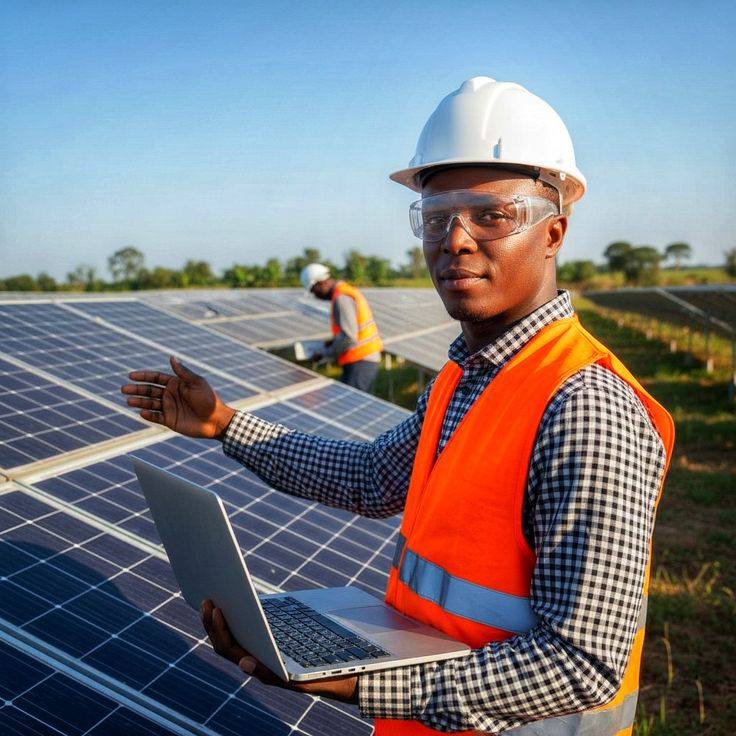
Solar panels convert sunlight into electrical energy. Depending on the system design, that electricity can power appliances, charge batteries, or supply other connected loads.
The city’s sunny periods can support useful daytime production for homes, offices, shops, schools, and other facilities. However, actual output varies with cloud cover, dust, panel orientation, shading, temperature, and equipment condition.
During Harmattan, dust may accumulate on panel surfaces and reduce the sunlight reaching the solar cells. Rainy-season cloud cover can also lower production at certain times.
Consequently, successful installations require more than strong sunshine. Proper panel placement, suitable equipment, regular maintenance, and realistic energy estimates all contribute to better results.
4. Solar Technology Offers More Choices Today
Solar technology has developed beyond simple panel-and-battery arrangements. Buyers can now consider different inverter types, battery technologies, panel capacities, and system configurations.
This gives households and businesses more flexibility when planning their installations.
Common Solar System Options
Grid-tied systems: These systems operate alongside the electricity grid. Depending on their design, they may reduce grid consumption, but ordinary grid-tied inverters generally shut down during outages unless specifically designed with suitable backup functionality.
Hybrid systems: These combine solar generation with batteries and usually support grid or another configured power source. They can provide backup during outages when designed and installed appropriately.
Off-grid systems: These operate without depending on the public electricity grid. They require careful sizing of panels and storage to meet energy needs across different weather conditions.
The right option depends on your location, electricity supply, budget, and backup expectations. A professional assessment can help identify the most suitable arrangement.
5. Businesses Need Reliable Power to Remain Productive
Abuja has many businesses that depend on electricity for daily operations. Offices, supermarkets, restaurants, pharmacies, workshops, and hospitality businesses all have different power requirements.
When electricity becomes unavailable, businesses may lose working hours or face additional operating costs. Some also need uninterrupted power for internet connectivity, security systems, refrigeration, and essential equipment.
Solar power can help support these activities when the system is properly designed. For instance, an office may use solar energy for computers, lighting, networking equipment, and selected cooling loads.
A business with refrigeration or heavy machinery may need a larger installation. The design must account for running power, startup demand, operating hours, and the consequences of an interruption.
Solar is not automatically suitable for every load or budget. However, a careful assessment can identify which operations could benefit most.
6. Solar Can Help Households Manage Energy Consumption
Many households want more control over their electricity usage. Solar power provides another way to generate electricity rather than purchasing all required energy from the grid or running a generator.
However, savings depend on how the system is used. A household with high daytime consumption may use a large share of its solar production directly, while another household may need substantial battery storage for nighttime use.
Consider a family that runs washing machines and other suitable appliances during productive daylight hours. This can reduce the energy needed from batteries later in the evening.
Other useful habits include:
- Replacing inefficient bulbs with LED lighting.
- Switching off appliances when they are unnecessary.
- Monitoring battery levels before operating heavy loads.
- Choosing energy-efficient appliances where practical.
- Scheduling suitable electricity-intensive tasks during daylight.
These changes can improve energy management without automatically requiring more equipment.
7. More Property Owners Are Considering Solar During Construction
Solar planning is becoming a consideration for some new residential and commercial developments. Incorporating solar requirements early can make installation more straightforward.
For example, architects and property developers can consider roof orientation, structural strength, shading, equipment locations, and cable routes before construction finishes.
This preparation may reduce the need for expensive modifications later. It can also provide more space for panels and safer access for maintenance.
Existing buildings can also accommodate solar installations, provided their roofs and electrical systems are suitable. A qualified installer should assess roof condition, mounting arrangements, and any necessary upgrades before work begins.
Solar readiness is not simply about leaving space on a roof. It involves planning for the complete system, including inverters, batteries, protection, and future maintenance.
8. Solar Batteries Improve Backup Flexibility
Solar panels generate electricity when sunlight is available, but households often need power after sunset. Batteries help bridge this gap by storing energy for later use.
Lithium batteries are commonly considered for modern solar installations. Their suitability depends on factors such as usable capacity, discharge limits, compatibility, warranty, and the intended application.
Battery size is particularly important. A small battery may support lighting, fans, and communication devices for a period, while a household operating air conditioners overnight may require considerably more storage.
For this reason, buyers should avoid choosing batteries based only on price or the number of appliances in the home. They should estimate actual energy consumption and expected backup duration.
Battery charging also depends on available solar production. If the panels generate insufficient energy, the battery may not fully recharge before evening, regardless of its rated capacity.
9. Better Planning Helps Buyers Avoid Common Solar Mistakes
Growing interest in solar power can encourage rushed purchasing decisions. Some buyers choose equipment based on recommendations that do not account for their actual electricity requirements.
This can result in overloaded inverters, short battery backup, or insufficient solar generation.
Before purchasing a system, consider the following steps:
- List your appliances. Record their power ratings and typical daily operating hours.
- Identify essential loads. Decide which appliances must remain available during outages.
- Estimate energy consumption. Calculate approximate daily energy use in kilowatt-hours.
- Choose suitable equipment. Match panel capacity, inverter power, and battery storage to the intended loads.
- Check installation conditions. Assess roof strength, orientation, shading, and ventilation.
- Plan for maintenance. Consider cleaning, inspections, warranties, and access to technical support.
Professional advice is particularly important for high-voltage equipment, electrical protection, and complex installations. Correct installation helps support safe operation and dependable performance.
10. Choosing a Reliable Solar Supplier Matters
The performance of a solar installation depends on equipment quality, compatibility, installation standards, and after-sales support. Buyers should understand what they are purchasing rather than focusing only on advertised capacity or price.
Ask suppliers about product specifications, warranties, installation requirements, and compatibility between components. Ensure that the proposed system reflects your energy needs instead of relying on a generic package.
Jeho Ashar Energy supplies solar panels, hybrid and high-voltage inverters, lithium batteries, mounting rails, cables, and protective devices for residential, commercial, and industrial applications.
Whether you are planning a home installation or a larger project, choosing suitable equipment is an important first step. Explore available products and solar solutions at https://www.abujasolar.com.
Conclusion
Solar power is attracting attention in Abuja because it offers an alternative way to manage electricity needs. Unreliable supply, generator running costs, abundant sunshine, expanding technology options, and demand for dependable business operations all contribute to the interest.
However, installing solar successfully requires realistic planning. The right panels, inverter, batteries, and protective equipment must match the property’s energy requirements and operating conditions.
For homeowners and businesses considering solar, the best starting point is a proper energy assessment. Understanding your consumption and backup needs can help you invest wisely and avoid unnecessary expenses.
Final Thought
Solar power works best when the system is designed around your needs. Understand your energy consumption, compare suitable equipment, and plan for reliable performance over time.
Learn more about quality solar solutions at https://www.abujasolar.com

