
Buying a solar system is exciting. It promises reliable electricity, lower energy bills, and less dependence on generators. However, many people rush the process and make expensive mistakes.
In Nigeria, solar demand is growing rapidly. Unfortunately, so are poor installations, fake products, and badly designed systems. As a result, some homeowners spend a lot of money yet still struggle with power problems.
The good news is that most of these issues are avoidable. With the right information, you can choose a system that fits your home, your budget, and your daily energy needs.
In this guide, we will cover the most common mistakes to avoid when buying solar and show you how to make a smarter investment.
Why Buying Solar Requires Careful Planning
A solar system is not a single product. Instead, it is a combination of panels, batteries, an inverter, cables, and protective equipment. Therefore, every component must work together properly.
When one part is poorly selected, the entire system suffers. Consequently, you may experience short backup time, low charging performance, or repeated equipment failures.
Careful planning helps you avoid these problems and protects your investment for years.
Mistake #1: Buying Based on Price Alone
This is the most common mistake.
Cheap solar systems often use low-quality panels, weak batteries, and undersized inverters. At first, the price looks attractive. However, repairs and replacements can quickly erase the savings.
Instead of asking, “What is the cheapest option?” ask, “What gives the best long-term value?”.
Better approach: Compare warranty, brand reputation, and expected lifespan before making a decision.
Mistake #2: Ignoring Your Actual Energy Needs
Many buyers choose a system without calculating their daily usage.
For example, a home with two fans, a refrigerator, lights, and a television needs a very different setup from a home running air conditioners and water pumps.
Before buying, list:
- Every appliance you want to power.
- Its power rating.
- How many hours you use it daily.
- Whether it runs during the day or at night.
This simple exercise prevents undersized systems.
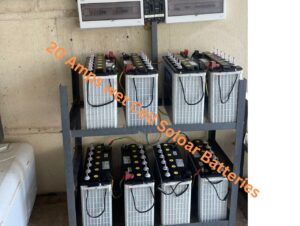
Mistake #3: Choosing the Wrong Battery Size
Panels generate electricity. Batteries store it.
A system may produce plenty of solar power during the day yet still fail at night because the battery bank is too small.
Warning signs of undersized batteries:
- Backup lasts only a few hours.
- Frequent low-battery alarms.
- Appliances shut down overnight.
- Batteries discharge too deeply every day.
For Nigerian homes, battery capacity is often more important than panel capacity.
Mistake #4: Buying an Oversized Inverter
Bigger is not always better.
A very large inverter costs more and may operate inefficiently if your loads are small. Furthermore, it can encourage adding appliances that the batteries cannot support.
Choose an inverter that matches both your current needs and realistic future growth.
Mistake #5: Ignoring Installation Quality
Even premium equipment performs poorly when installed incorrectly.
Loose connections, poor cable sizing, and inadequate protection can reduce performance and create safety risks.
Always check that the installer provides:
- Proper cable sizing.
- Circuit breakers and surge protection.
- Correct panel orientation.
- Secure mounting structures.
- Testing after installation.
Professional installation is worth paying for.
Mistake #6: Forgetting About Future Expansion
Your energy needs may grow.
You might add a freezer, air conditioner, or office equipment later. Therefore, it is wise to choose a system that can be expanded.
Ask your installer:
“Can I add more panels or batteries in the future?”
This question can save you from replacing the entire system later.
Mistake #7: Skipping Product Verification
Counterfeit solar products exist in many markets.
Before buying, verify serial numbers, warranty documents, and authorized dealers. In addition, request original product manuals.
Red flags include:
- No warranty card.
- Unusually low prices.
- Missing serial numbers.
- Generic packaging.
- Seller avoids technical questions.
Mistake #8: Ignoring Maintenance Requirements
Solar systems are low-maintenance, not maintenance-free.
Dust, loose connections, and battery issues can gradually reduce performance. Consequently, buyers should understand the basic maintenance routine before installation.
Essential habits:
- Clean panels regularly.
- Monitor inverter readings.
- Check battery health.
- Schedule periodic inspections.
Mistake #9: Not Asking About Warranty and Support
A good warranty is only useful if support is available.
Ask who handles repairs, how long service takes, and whether replacement parts are stocked locally.
Look for:
| Component | Typical Coverage |
|---|---|
| Solar panels | 10–25 years |
| Inverter | 2–10 years |
| Lithium batteries | 5–10 years |
| Installation work | 1–2 years |
Clear support terms matter as much as the equipment itself.
Mistake #10: Choosing a Seller Instead of a Solution Provider
A box of equipment is not a complete energy solution.
A reliable solar company should assess your loads, inspect the site, design the system, install it safely, and provide after-sales support.
At Jeho Ashar Energy, we focus on matching the system to the customer rather than simply selling components.
A Simple Buying Checklist
Before paying for any solar system, confirm these five points:
Energy audit completed
Required
Know what you will power and for how long.
Quality brands selected
Verified
Panels, inverter, and batteries from trusted manufacturers.
Expansion plan confirmed
Future-ready
Ability to add panels or batteries later.
Warranty documents received
Written
Keep serial numbers and coverage details.
Professional installer engaged
Essential
Safe wiring, protection devices, and testing included.
Realistic Example
Consider a two-bedroom flat in Abuja. The owner buys a cheap 5 kVA inverter without checking battery capacity. During the day, everything works well. By midnight, the batteries are empty and the refrigerator shuts down.
Another homeowner buys a properly sized 3.5 kVA hybrid system with adequate lithium storage. Although the inverter is smaller, the system delivers reliable overnight power.
The lesson is simple: system design matters more than headline size.
Where to Get Reliable Guidance
If you are comparing options, start with a professional assessment rather than a price list. A proper site visit can reveal shading issues, wiring limitations, and future expansion needs.
For trusted solar advice, system design, and installation support, visit https://www.abujasolar.com.
Conclusion
Buying solar should not feel like a gamble. Most costly problems come from rushing the process, ignoring energy needs, or choosing equipment based on price alone.
Instead, focus on proper sizing, quality components, professional installation, and reliable support. These steps will help your system perform better, last longer, and save more money over time.
Above all, remember that the best solar purchase is not the cheapest one. It is the one that delivers dependable power every day.
Final Thought
Take a little extra time before you buy. Ask questions, verify products, and work with experienced professionals. A well-planned solar system can serve your home or business for many years with fewer surprises and greater peace of mind.