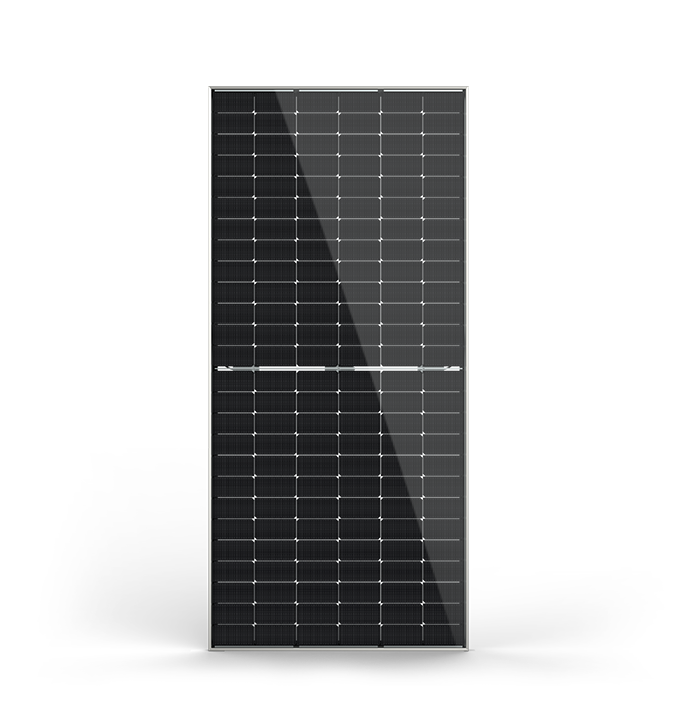
Choosing the right solar panel can make a huge difference in your system’s performance. While both the Jinko 620W and Jinko 720W panels deliver excellent results, they are designed for different applications. Therefore, understanding their differences helps you make a smarter investment.
If you are planning a new solar installation or upgrading an existing one, this guide will help you compare both panels. We will examine their power output, efficiency, applications, advantages, and ideal use cases. By the end, you will know which panel best suits your energy needs.
Why Compare Jinko 620W and Jinko 720W Solar Panels?
Jinko Solar is one of the world’s leading solar panel manufacturers. Its panels are known for high efficiency, durability, and advanced technology. However, choosing between the 620W and 720W models depends on your available space, energy demand, and project size.
Making the right choice can help you:
- Generate more electricity.
- Improve return on investment.
- Reduce installation costs.
- Maximize available roof or land space.
- Lower long-term electricity expenses.
Overview of Jinko 620W Solar Panel
The Jinko 620W Solar Panel is a premium N-Type bifacial module designed for residential, commercial, and medium-scale industrial projects. It delivers high efficiency while remaining easy to install and transport.
Key Features
- 620 Watts rated output
- N-Type Mono-crystalline cells
- Bifacial technology
- HOT 3.0 Technology
- SMBB Technology
- Anti-PID protection
- Excellent low-light performance
- High mechanical strength
This panel offers an excellent balance between power output and installation flexibility.
Overview of Jinko 720W Solar Panel
The Jinko 720W Solar Panel is designed for projects requiring maximum energy production. It is commonly used in large commercial, industrial, and utility-scale installations where available space and energy demand are much higher.
Key Features
- 720 Watts rated output
- Advanced N-Type technology
- Bifacial power generation
- Excellent temperature performance
- Lower power degradation
- High efficiency
- Strong wind and snow load resistance
Consequently, fewer panels may be required to achieve the same system capacity.
Jinko 620W vs Jinko 720W Comparison
Power Output
Power output is the biggest difference.
Jinko 620W
- Produces 620 watts under standard test conditions.
- Suitable for medium to large installations.
Jinko 720W
- Produces 720 watts under standard test conditions.
- Generates approximately 100 watts more per panel.
As a result, fewer panels may be needed for larger systems.
Efficiency
Both panels use advanced N-Type technology.
However, the 720W model generally offers slightly higher energy production because of its increased capacity.
Both provide:
- Excellent conversion efficiency
- Lower degradation
- Better long-term performance
Installation Space
Available installation space is another important factor.
Jinko 620W
Ideal when:
- Roof space is moderate.
- Weight considerations matter.
- Easier handling is preferred.
Jinko 720W
Best when:
- Large roofs are available.
- Ground-mounted systems are planned.
- Utility-scale projects are involved.
Performance in Hot Weather
Nigeria experiences high temperatures throughout the year.
Fortunately, both panels perform well in hot climates because they feature excellent temperature coefficients.
Consequently, they continue producing reliable electricity even during extremely sunny days.
Durability
Both models are built for long-term outdoor use.
They can withstand:
- Heavy rainfall
- Strong winds
- Dust
- High temperatures
- Mechanical stress
Therefore, both are suitable for Nigeria’s weather conditions.
Technology Comparison
Both panels include several advanced technologies.
Shared Technologies
- N-Type Mono Technology
- Bifacial Design
- HOT 3.0 Technology
- SMBB Technology
- Anti-PID Protection
- Low-Light Performance
- Enhanced Mechanical Strength
These features contribute to higher energy production and improved reliability.
Which Panel Generates More Energy?
If both panels receive identical sunlight, the 720W panel produces more electricity because of its higher wattage.
For example:
- Ten 620W panels produce approximately 6.2kW.
- Ten 720W panels produce approximately 7.2kW.
That additional capacity becomes significant over many years of operation.
Which One Is Better for Homes?
The Jinko 620W panel is often an excellent choice for residential installations.
It offers:
- High efficiency
- Easier installation
- Flexible system design
- Lower structural load
Many homeowners find it provides more than enough power for daily energy needs.
Which One Is Better for Businesses?
Commercial facilities often consume much more electricity.
Therefore, the Jinko 720W panel is an excellent option for:
- Factories
- Warehouses
- Hotels
- Schools
- Farms
- Shopping complexes
- Office buildings
Higher wattage means greater energy production from fewer panels.
Cost Considerations
The 720W panel generally costs more than the 620W model.
However, price should never be the only deciding factor.
Instead, consider:
- Total system size
- Installation costs
- Available space
- Future expansion
- Long-term savings
Sometimes, installing fewer higher-capacity panels reduces overall project costs.
Practical Example
Imagine two businesses needing approximately 36kW of solar power.
Business A installs Jinko 620W panels.
Business B installs Jinko 720W panels.
Business B requires fewer panels to reach its target capacity. Consequently, installation may become faster while reducing mounting materials and wiring requirements.
However, the final decision still depends on roof size, structural design, and project budget.
How to Choose the Right Panel
Before making your decision, ask these questions:
- What is my daily energy consumption?
- How much installation space is available?
- Is this a home or commercial project?
- Will I expand later?
- What is my budget?
- Which inverter matches my system?
A professional solar assessment helps determine the ideal solution.
Why Choose Jeho Ashar Energy?
Choosing premium solar panels is only part of building a reliable solar system. Proper design, quality installation, and genuine components are equally important.
Jeho Ashar Energy supplies genuine Jinko 620W and Jinko 720W Solar Panels, Deye hybrid inverters, lithium batteries, mounting structures, cables, and protection devices for residential, commercial, and industrial projects. Every solution is carefully designed to maximize energy production and long-term reliability.
In addition, the experienced team provides professional load analysis, system design, installation, and after-sales support. Whether you need a home solar system or a large commercial installation, you can explore trusted solar products at https://www.abujasolar.com.
Best Practices Before Buying
Follow these recommendations before purchasing your panels:
- Buy genuine Jinko Solar panels.
- Choose the correct inverter.
- Size the battery properly.
- Use quality mounting structures.
- Hire certified installers.
- Plan for future expansion.
- Schedule regular maintenance.
- Purchase from trusted suppliers.
These simple steps help protect your investment for decades.
Conclusion
The Jinko 620W vs Jinko 720W comparison shows that both panels offer outstanding efficiency, durability, and long-term performance. The right choice depends on your available space, energy requirements, budget, and future plans.
If you need a flexible solution for residential or medium-sized commercial projects, the Jinko 620W panel is an excellent option. On the other hand, if maximum power output and fewer panels are your priorities, the Jinko 720W panel is the better choice for large commercial and industrial installations.
Final Thought
There is no one-size-fits-all solar panel. The best panel is the one that matches your energy goals, installation space, and long-term plans. Consult experienced professionals before making your investment to achieve the best possible results.
Learn more about quality solar solutions at https://www.abujasolar.com