
Abuja’s sunshine advantage explained begins with a simple fact: the city receives abundant sunlight during much of the year. This creates strong opportunities for homes, businesses, and industries to generate electricity using solar power. For residents dealing with unreliable grid supply, solar energy offers a practical way to improve power availability and manage electricity costs.
However, sunshine alone does not guarantee excellent solar performance. The amount of electricity a system generates depends on sunlight intensity, weather conditions, panel positioning, dust, and equipment quality. Understanding these factors helps homeowners make informed decisions before investing in solar energy.
Abuja’s climate makes solar power an attractive option, but successful installations require proper planning. With suitable equipment and regular maintenance, property owners can make better use of the city’s available sunlight throughout the year.
Why Does Abuja Have Strong Solar Potential?
Abuja experiences a tropical climate with distinct wet and dry seasons. Many days offer substantial sunshine, particularly during parts of the dry season. These conditions provide opportunities for solar panels to generate useful amounts of electricity.
Solar panels convert sunlight into electrical energy through photovoltaic cells. When sunlight reaches these cells, they produce electricity that can power appliances, charge batteries, or supply other parts of a properly designed system.
Several local conditions influence Abuja’s solar potential:
- Abundant daylight: Many days provide useful hours for electricity generation.
- Dry-season sunshine: Clearer skies can support strong solar production.
- Year-round solar opportunities: Panels can generate electricity during both wet and dry seasons.
- Growing electricity demand: Homes and businesses need dependable power for everyday activities.
Nevertheless, solar production varies from day to day. Cloud cover, rainfall, haze, and dust can reduce available sunlight. Therefore, solar installations should be designed around realistic energy needs rather than assumptions about constant sunshine.
How Abuja’s Sunshine Benefits Solar Panel Owners
Abundant sunshine creates several practical benefits for solar users. The exact results depend on system size, installation quality, energy consumption, and maintenance.
1. More Opportunities for Daily Electricity Generation
Solar panels can generate electricity whenever sufficient sunlight reaches their surfaces. In Abuja, many days provide useful opportunities for daytime power production.
This electricity can operate household appliances, support business activities, and charge compatible battery systems. When production exceeds immediate demand, a properly configured system can use the surplus to charge batteries.
For example, a household may run suitable appliances during the day while its batteries charge. The stored energy can then support essential appliances after sunset, depending on battery capacity and evening consumption.
2. Reduced Dependence on Grid Electricity
Frequent power interruptions can affect homes, shops, offices, and industrial facilities. Solar power offers another source of electricity when the grid becomes unavailable.
A hybrid solar system can combine solar panels, batteries, and grid electricity. Depending on its configuration, it can supply selected loads from stored energy during an outage.
This arrangement can help keep important appliances running. However, backup duration depends on battery capacity, inverter capability, and the appliances connected to the system.
3. Better Opportunities for Battery Charging
Strong daytime sunlight can help solar panels recharge batteries efficiently. This is especially useful for households that depend on stored electricity at night.
However, batteries cannot charge effectively without sufficient available energy. Heavy daytime consumption, dusty panels, poor weather, or undersized solar arrays may leave less electricity for charging.
To make better use of Abuja’s sunshine, monitor your system and schedule suitable high-energy activities during productive daylight hours. This can help balance household consumption with battery charging needs.
4. Support for Business Operations
Businesses often require consistent electricity for lighting, computers, refrigeration, security systems, and other equipment. Solar power can help reduce their reliance on grid electricity and generators.
For example, a shop may use daytime solar production to power lighting, computers, and selected cooling equipment. A properly designed system can also charge batteries for essential loads during evening operations.
The appropriate system size depends on the business’s operating hours and energy requirements. An energy assessment helps determine which equipment should receive solar power and how much backup is necessary.
Does Abuja’s Sunshine Guarantee Maximum Solar Efficiency?
No. Strong sunshine creates favourable conditions, but it does not guarantee that every installation will perform well. Several factors can reduce electricity production, even on bright days.
Cloud Cover and Rainfall
During the rainy season, thick clouds can reduce the sunlight reaching solar panels. Electricity generation may fall during prolonged cloudy periods, although panels can still produce power from available daylight.
Rain does not mean solar systems stop working. However, households should consider seasonal production changes when sizing their panels and batteries.
Dust and Harmattan Conditions
Dust can accumulate on solar panel surfaces, particularly during dry and dusty periods. This layer can block some incoming sunlight and reduce electricity production.
Regular inspection and safe cleaning help minimize dust-related losses. Panels near busy roads or construction sites may require more frequent attention than those in cleaner surroundings.
High Temperatures
Solar panels need sunlight, but excessive cell temperatures can reduce their electrical efficiency. This means hotter weather does not automatically produce more electricity.
Suitable mounting arrangements and adequate airflow behind panels can help manage operating temperatures. Correct installation also helps protect the equipment and support long-term performance.
Poor Panel Positioning and Shading
Panels perform best when they receive suitable sunlight without significant obstructions. Nearby buildings, trees, rooftop water tanks, and other structures can cast shadows across the installation.
A professional site assessment helps identify suitable panel positions. It also considers roof direction, available space, mounting requirements, and shading throughout the day.
How to Get the Most from Abuja’s Sunshine
Making good use of solar energy requires more than purchasing panels. Your equipment, installation, and daily electricity habits must work together.
1. Choose the Right Solar Panel Capacity
The number of panels you need depends on your energy consumption and expected solar production. A larger household with several heavy appliances generally requires more generation capacity than a home with modest electricity needs.
List your appliances and estimate their daily energy consumption before selecting equipment. A qualified solar professional can use this information to recommend a suitable panel arrangement.
2. Match Your Inverter to Your Appliances
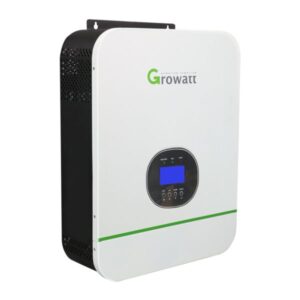
The inverter converts electricity into a form suitable for compatible household or business equipment. Its power rating must accommodate the loads you intend to operate.
Some appliances, including pumps and air conditioners, can require extra power when starting. Therefore, selecting an inverter based only on the total wattage of continuously operating appliances may lead to problems.
Consider both running power and startup requirements. This helps reduce overloads and unexpected shutdowns.
3. Select Suitable Battery Storage
Solar panels generate electricity during daylight, but many households also need power at night. Batteries store energy for later use when the system is designed to support that function.
The required storage capacity depends on which appliances need backup and how long they must operate. A household that wants overnight air conditioning will generally need more stored energy than one powering lights, fans, and communication devices.
Avoid choosing battery capacity based on guesswork. Assess your essential loads and expected backup duration before purchasing batteries.
4. Keep Panels Clean and Well Maintained
Dust, bird droppings, and other deposits can interfere with sunlight reaching the solar cells. Regular inspections help identify when cleaning or maintenance is necessary.
Follow the manufacturer’s cleaning instructions and use appropriate equipment. For rooftop panels, damaged wiring, or difficult access, seek assistance from trained professionals.
Also, check inverter monitoring information where available. Persistent production declines may indicate shading, equipment faults, or other issues requiring investigation.
5. Use Electricity Strategically
Your energy habits influence how effectively you use available solar generation. Running suitable appliances during productive daylight hours can help reduce the amount of stored energy needed later.
Consider these practical habits:
- Run washing machines during suitable sunny periods.
- Charge compatible devices during daylight hours.
- Avoid operating unnecessary heavy appliances together.
- Use energy-efficient lighting and appliances.
- Monitor battery levels before using demanding equipment.
- Switch off appliances when they are not needed.
These steps cannot replace a correctly sized system. However, they can help you manage available energy more effectively.
Is Solar Power Suitable for Every Home in Abuja?
Solar power can benefit many Abuja households, but the ideal arrangement differs from one property to another. Roof space, shading, electricity consumption, budget, and backup expectations all influence system design.
A small apartment may need a system for lighting, fans, television, and device charging. A larger home with refrigeration, water pumps, and air conditioning may require a more substantial installation.
Some properties may also benefit from ground-mounted panels when roof conditions are unsuitable and adequate land is available. Regardless of the arrangement, a site assessment helps identify practical options.
Before purchasing equipment, establish your priorities. Decide which appliances must operate during outages and how long you need them to run.
Choosing Quality Solar Equipment for Abuja’s Conditions
Reliable solar performance depends on suitable equipment and proper installation. Panels, inverters, batteries, mounting rails, cables, and protective devices must work together safely.
Jeho Ashar Energy supplies solar panels, hybrid and high-voltage inverters, lithium batteries, mounting rails, cables, and protective devices for residential, commercial, and industrial applications. Choosing equipment based on your actual energy requirements can help you make better use of Abuja’s available sunshine.
It is also important to consider installation quality, maintenance access, and future energy needs. You can explore available solar products and solutions at https://www.abujasolar.com.
Conclusion
Abuja’s sunshine creates valuable opportunities for generating solar electricity throughout much of the year. It can support daytime power production, battery charging, and reduced dependence on grid electricity. However, weather conditions, dust, high temperatures, shading, and unsuitable equipment can affect actual results.
The best approach combines quality equipment with proper system sizing and regular maintenance. By understanding your energy needs and managing electricity consumption wisely, you can make better use of the sunlight available in Abuja.
Final Thought
Sunshine provides the opportunity, but good planning delivers the results. Assess your power needs, choose suitable solar equipment, and maintain your system for dependable performance.
Learn more about quality solar solutions at https://www.abujasolar.com