
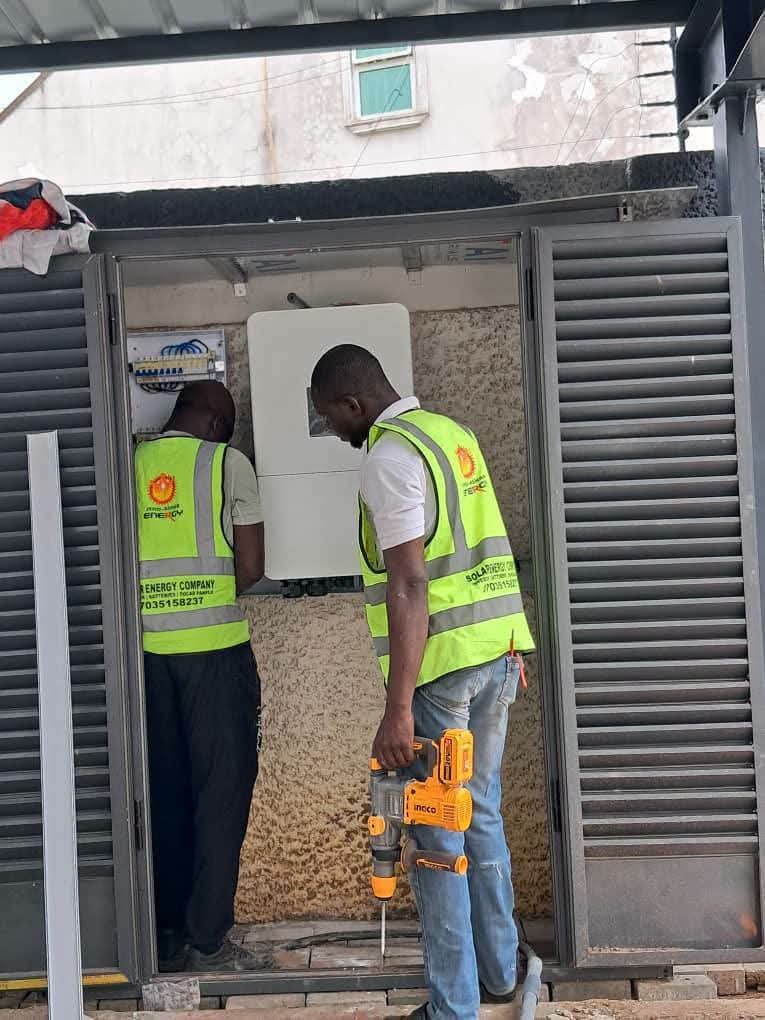
A Deye inverter can deliver reliable performance.
However, installation quality matters just as much.
Even good equipment needs proper installation.
Many solar problems start during installation.
Some are caused by incorrect wiring.
Others come from poor system planning.
A small mistake can create bigger problems.
The inverter may show unexpected alarms.
Battery charging may also become unstable.
Furthermore, poor installation can affect safety.
It may also reduce system performance over time.
That is why installers must follow specifications carefully.
Every cable, breaker, battery, and connection matters.
In this guide, we examine common Deye installation mistakes.
We will also explain how to avoid them.
Why Proper Deye Installation Matters
A hybrid inverter connects several parts together.
These include solar panels, batteries, loads, and grid power.
Some systems also include generators.
Others use external meters or CT sensors.
Therefore, installation involves more than mounting equipment.
A properly installed Deye system should have:
- Correct AC wiring.
- Correct DC wiring.
- Proper grounding.
- Suitable protection devices.
- Correct battery connections.
- Proper communication cables.
- Correct CT installation.
- Appropriate load distribution.
- Proper commissioning.
Deye manuals provide specific wiring diagrams for these connections.
Skipping any of these steps can create problems.
1. Choosing the Wrong Inverter Size
One common mistake happens before installation.
The inverter is selected without studying the loads.
For example, a home may have several heavy appliances.
These could include air conditioners and water pumps.
The installer then chooses an inverter too quickly.
The result can be frequent overloads.
A better approach starts with load assessment.
Consider:
- Maximum running load.
- Appliance startup current.
- Essential backup loads.
- Future electricity requirements.
- Solar panel capacity.
- Battery capacity.
The inverter should match the intended application.
A larger inverter is not automatically better.
It must still suit the complete system.
2. Installing Without Proper Load Assessment
Load assessment deserves separate attention.
Many installations focus heavily on appliance wattage.
However, operating patterns also matter.
A home may use little power during daylight.
Its evening demand may be much higher.
Meanwhile, a business may have the opposite pattern.
For example, a workshop could operate mainly daytime.
Its system may therefore prioritize daytime solar production.
Consequently, system design should consider both power and timing.
A good assessment should identify:
- Daytime loads.
- Nighttime loads.
- Critical loads.
- Heavy loads.
- Starting loads.
- Expected future loads.
This information helps determine the right configuration.
3. Incorrect Battery Connection
Battery installation is another critical area.
Deye hybrid inverters can work with different battery configurations.
However, the battery must match the inverter requirements.
One mistake is connecting an incompatible battery.
Another is ignoring the battery manufacturer’s specifications.
Lithium batteries may also require BMS communication.
The communication connection must match the supported setup.
Therefore, installers should confirm:
- Battery voltage.
- Battery capacity.
- Maximum current.
- Battery compatibility.
- BMS communication method.
- Cable requirements.
- Required protection.
Do not guess battery settings.
Always verify the battery documentation first.
4. Reversing or Misplacing CT Sensors
CT installation is often overlooked.
However, CTs are important for power measurement.
They can also support zero-export operation.
Deye documentation specifies CT placement and direction.
For example, the CT arrow must face correctly.
If the CT is installed incorrectly, readings can become confusing.
The inverter may show unexpected grid power.
It may also behave differently from expectations.
For example, imported power could appear negative.
Deye documentation specifically notes checking CT direction.
Therefore, always confirm:
- Correct CT location.
- Correct CT direction.
- Correct phase connection.
- Correct communication connection.
- Correct inverter configuration.
This small detail can make a big difference.
5. Poor Grounding
Grounding should never be treated as optional.
It provides an important electrical safety path.
It also supports proper system operation.
Deye documentation emphasizes proper grounding.
The inverter’s PE connection must be properly established.
A common mistake is using inadequate grounding.
Another is leaving equipment grounding incomplete.
This can affect protection during electrical faults.
It can also increase risks from electrical surges.
Therefore, installers should:
- Follow local electrical regulations.
- Ground the inverter correctly.
- Ground associated equipment as required.
- Use suitable conductors.
- Check grounding continuity.
- Verify connections before commissioning.
Grounding should be checked professionally.
6. Using Incorrect Cable Sizes
Cable selection affects system performance.
Undersized cables can create excessive voltage drop.
They can also generate unwanted heat.
This matters especially on battery connections.
Battery cables can carry substantial current.
Therefore, their sizing must match the application.
Solar PV cables also require proper selection.
Consider:
- Current rating.
- Cable length.
- Installation environment.
- Voltage level.
- Temperature.
- Applicable electrical standards.
Do not select cables based only on availability.
The correct size depends on the system design.
7. Missing or Incorrect Protection Devices
Protection devices are essential parts of installation.
A hybrid system may require different protective components.
These can include AC and DC breakers.
The exact requirements depend on the model.
They also depend on the installation design.
Deye wiring diagrams show AC and DC protection arrangements.
A common mistake is using unsuitable protection.
Another is installing protection in the wrong location.
Installers should therefore verify:
- AC breaker requirements.
- Battery DC protection.
- PV DC protection.
- Surge protection requirements.
- Cable ratings.
- Local electrical requirements.
Protection should be selected professionally.
Never improvise with electrical safety equipment.
8. Mixing Up Grid and Load Connections
Deye hybrid inverters have different connection points.
These may include grid and backup-load connections.
Confusing these terminals can cause serious problems.
The backup output is designed for selected loads.
It should not automatically be treated like every household circuit.
Therefore, installers must identify each connection clearly.
Before powering the inverter, verify:
- Grid connection.
- Backup load connection.
- Neutral connection.
- Earth connection.
- Phase connections.
- Breaker positions.
Use the correct wiring diagram.
Do not rely on memory.
9. Poor Neutral and Earth Connections
Neutral and earth connections require careful planning.
Their arrangement depends on the installation.
Local electrical rules also matter.
Deye manuals show different wiring arrangements.
Some systems have specific neutral-to-PE requirements.
Therefore, copying another installation can be dangerous.
An arrangement suitable for one location may not suit another.
Always follow the applicable wiring requirements.
A qualified electrician should verify these connections.
10. Ignoring Battery Communication
Modern lithium systems often use communication.
The inverter needs battery information.
The BMS provides important operating data.
This may include battery voltage and temperature.
It can also provide charge and discharge limits.
A common mistake is connecting power only.
The communication cable is then ignored.
This can cause:
- Battery not detected errors.
- Incorrect battery readings.
- Charging problems.
- Discharge limitations.
- Communication alarms.
Therefore, check the required CAN or RS485 connection.
Also confirm the correct communication port.
Do not assume every battery uses identical settings.
11. Poor Communication Cable Installation
Even the correct communication cable can fail.
Loose connectors are one possible cause.
Incorrect pin arrangements are another.
Cable routing can also matter.
Communication cables should be installed according to the manufacturer’s requirements.
Keep them properly secured and protected.
Also check compatibility between the inverter and battery.
Deye provides model-specific documentation for its equipment.
Therefore, installers should use the manual for the exact model.
12. Installing the Inverter in a Poor Location
Location affects inverter operation.
An inverter needs an appropriate installation environment.
A common mistake is placing it somewhere cramped.
Another is exposing it to unsuitable conditions.
The installation area should allow proper ventilation.
It should also allow safe maintenance access.
Avoid locations with unnecessary heat exposure.
Also avoid areas where water can reach equipment.
Before installation, consider:
- Ventilation.
- Temperature.
- Moisture.
- Dust.
- Accessibility.
- Wall strength.
- Cable routing.
- Clearance requirements.
The exact requirements depend on the Deye model.
Always check its installation manual.
13. Connecting Too Many Heavy Loads
A correctly sized inverter can still be overloaded.
This often happens when backup circuits are poorly planned.
For example, a backup output may feed several heavy appliances.
They could start operating at the same time.
The inverter then experiences a sudden demand.
This can trigger overload protection.
Instead, separate essential and non-essential loads.
Critical loads may include:
- Lighting.
- Refrigerators.
- Internet equipment.
- Security systems.
- Selected office equipment.
Heavy loads should be assessed separately.
14. Skipping Final Commissioning Checks
Installation is not finished after wiring.
Commissioning is equally important.
Before handing over the system, installers should verify operation.
Useful checks include:
- Inspect all electrical connections.
- Confirm grounding.
- Verify battery communication.
- Check CT direction.
- Confirm system settings.
- Test solar input.
- Test battery charging.
- Test battery discharge.
- Test grid operation.
- Test backup operation.
- Check alarms.
- Record important settings.
This final process catches problems early.
It also gives the customer confidence.
A Realistic Installation Example
Consider a Nigerian home with Deye equipment.
The installer connects solar panels correctly.
The battery also powers the inverter.
However, the CT is installed backward.
The inverter now receives incorrect power information.
The homeowner notices unusual grid readings.
They may then assume the inverter is faulty.
Yet the problem began during installation.
This example shows why commissioning matters.
The equipment may be perfectly functional.
The installation simply needs correction.
How to Avoid Common Deye Installation Mistakes
A professional installation should follow a clear process.
Before Installation
- Confirm the inverter model.
- Review the installation manual.
- Assess household or business loads.
- Confirm battery compatibility.
- Plan cable routes.
- Select protection devices.
- Confirm grounding requirements.
During Installation
- Follow the wiring diagram.
- Use suitable cables.
- Secure all connections.
- Install CTs correctly.
- Connect communication cables properly.
- Label circuits clearly.
- Maintain safe clearances.
After Installation
- Inspect every connection.
- Confirm system settings.
- Test operating modes.
- Test backup loads.
- Check battery communication.
- Monitor system performance.
- Explain basic operation to the customer.
This approach reduces avoidable installation problems.
Deye Systems and Jeho Ashar Energy
Good equipment needs good installation.
At Jeho Ashar Energy, proper system planning is important.
The goal is dependable and practical energy performance.
Our solutions include Deye hybrid inverters.
We also supply solar panels and lithium batteries.
Additionally, we provide supporting system components.
These include cables, rails, and protection devices.
For customers planning a solar installation, proper design matters.
So does correct commissioning and system configuration.
You can also explore solar solutions through AbujaSolar.
The website provides additional information about available solutions.
Conclusion
Common Deye installation mistakes are avoidable.
Most begin with poor planning or rushed installation.
Others come from overlooking small technical details.
Incorrect CT placement can affect readings.
Poor grounding can create safety concerns.
Wrong battery communication can cause system errors.
Therefore, every connection deserves attention.
Installers should follow the correct Deye manual.
They should also follow local electrical requirements.
Most importantly, installation should not be rushed.
A properly installed Deye system can operate reliably.
Good commissioning then helps maintain that performance.
Final Thought
Solar equipment is a long-term investment.
Installation quality protects that investment.
Choose proper planning over shortcuts.
Choose correct connections over assumptions.
And always verify the system before handover.
