
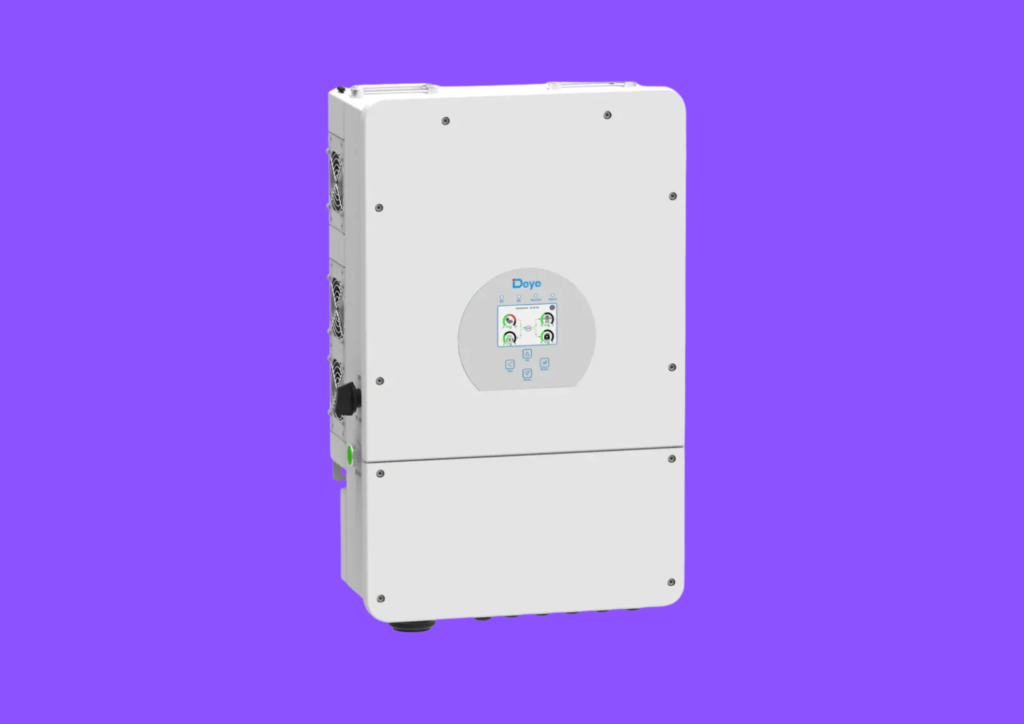
A solar inverter should provide reliable power. However, unexpected shutdowns can become frustrating. One moment, everything works perfectly. Then suddenly, your inverter switches off.
This problem can have several causes. Sometimes, the issue comes from heavy loads. In other cases, batteries may be too low. Faulty wiring can also cause sudden shutdowns.
Therefore, understanding the possible causes matters. It helps you identify problems faster. It can also prevent expensive system damage.
For solar users, reliable power is essential. This becomes even more important during outages. Your inverter must handle changing power demands. It must also communicate correctly with batteries.
In this guide, we explain common causes. We also explain practical solutions and precautions. If your inverter keeps shutting down, keep reading.
What Does an Inverter Shutdown Mean?
An inverter shutdown means power output stops. The inverter disconnects its output temporarily. This usually happens for protection reasons.
Modern inverters have built-in safety features. These features protect internal components from damage. They monitor voltage, temperature, current, and load.
For example, an inverter may detect overload. It may then shut down automatically. Similarly, low battery voltage can trigger protection.
Therefore, shutdowns are not always failures. Sometimes, they indicate that protection works properly. However, frequent shutdowns require proper investigation.
Common Reasons Your Inverter Shuts Down
Several issues can cause unexpected shutdowns. Some problems are simple to correct. Others require professional inspection.
1. The Inverter Is Overloaded
Overloading is a common cause. Every inverter has a maximum power rating.
For example, consider a 5kW inverter. It cannot safely power unlimited appliances. Connecting too many heavy appliances creates excessive demand.
Air conditioners can draw substantial power. Electric cookers can also demand high power. Water heaters may create similar challenges.
Consequently, the inverter may shut down. This protects the system from excessive current.
Watch for appliances such as:
- Air conditioners
- Electric kettles
- Water heaters
- Electric cookers
- Large refrigerators
- Washing machines
- Pumps
- Pressing irons
Running several together can overload systems. Therefore, manage high-power appliances carefully.
2. The Battery Voltage Is Too Low
Low battery voltage can trigger shutdowns. This happens frequently with solar systems.
When batteries become heavily discharged, voltage drops. Eventually, the inverter reaches its protection limit.
The inverter then disconnects the load. This prevents excessive battery discharge.
Lithium batteries normally include protection systems. However, the inverter still needs correct settings.
For example, battery voltage settings must match specifications. Incorrect settings can cause premature shutdowns.
Therefore, check battery settings carefully. Also, inspect the battery’s state of charge.
3. The Battery Is Not Charging Properly
Sometimes, the battery looks charged. However, its actual capacity may be limited.
Several problems can reduce charging performance. Poor solar production is one possibility.
Dirty panels can reduce available energy. Shading can also reduce production significantly.
Faulty cables may create additional losses. Incorrect charging settings can also cause problems.
Consequently, the battery may never recharge fully. The system then shuts down overnight.
This explains many nighttime shutdowns. The battery simply lacks enough stored energy.
4. Poor Solar Panel Performance
Your inverter depends on adequate solar energy. Therefore, panel performance matters greatly.
Solar panels may produce less power during clouds. Rainy weather can also reduce production.
However, permanent production losses need investigation. Dirt and shading are common causes.
Other possible causes include:
- Damaged solar panels
- Loose connections
- Faulty connectors
- Poor cable sizing
- Incorrect panel configuration
- Partial shading
- Panel degradation
Consequently, less energy reaches the battery. The battery then struggles to recharge.
Regular system checks can identify these problems.
5. Overheating
Inverters produce heat during operation. Heavy loads can increase that heat.
Poor ventilation can make matters worse. High ambient temperatures can also contribute.
An overheated inverter may shut down automatically. This protects sensitive internal components.
Therefore, installation location matters greatly.
Keep the inverter away from:
- Direct sunlight
- Enclosed spaces
- Heat-producing equipment
- Blocked ventilation openings
- Excessive dust
A cool, dry location is preferable. Good airflow should always be maintained.
6. Loose or Faulty Connections
Electrical connections require proper installation. Loose connections can create serious problems.
A loose cable can increase resistance. Increased resistance can produce unwanted heat.
It can also cause voltage drops. Eventually, the inverter may detect abnormal conditions.
Battery terminals deserve particular attention. Solar cable connections also require inspection.
However, avoid opening electrical equipment yourself. High electrical voltages can be dangerous.
Always involve a qualified technician. Professional inspection is safer and more reliable.
7. Incorrect Inverter Settings
Modern solar inverters have many settings. These settings control system behavior.
Battery type is particularly important. Charging voltage must match battery specifications.
Maximum charging current also matters. Discharge limits must be configured correctly.
Wrong settings can cause repeated shutdowns. They can also reduce battery performance.
For example, lithium batteries need appropriate charging parameters. Tubular batteries use different charging requirements.
Therefore, never copy random settings online. Always follow the manufacturer’s recommendations.
8. Grid Voltage Problems
Hybrid inverters may use grid electricity. Therefore, unstable grid voltage can cause shutdowns.
Voltage may become too high sometimes. It can also become unusually low.
The inverter may detect these conditions. It may then disconnect from the grid.
This is usually a protection feature. However, frequent grid-related shutdowns need investigation.
A qualified installer can check incoming voltage. They can also inspect inverter configuration.
9. Faulty or Undersized Wiring
Cable sizing affects solar performance. Undersized cables can create voltage drops.
Long cable runs can create similar losses. Poor-quality cables may also increase resistance.
Consequently, the inverter may receive unstable voltage.
The same issue can affect battery connections. Therefore, proper cable selection matters.
A professional installer should calculate cable requirements. This should consider current, distance, and system size.
How To Troubleshoot an Inverter Shutdown
Do not immediately assume the inverter is faulty. Start with simple observations.
Step 1: Check the Display
Look at the inverter screen. Check for error codes or warnings.
Write down the displayed message. This can help identify the problem.
Step 2: Check Your Battery Level
Check the battery state of charge. See whether the battery is critically low.
Also check whether charging is occurring. If charging stops unexpectedly, investigate further.
Step 3: Reduce Heavy Loads
Switch off high-power appliances temporarily. Then restart the inverter if appropriate.
If it remains stable, overload may exist.
Step 4: Check Solar Production
Check the inverter’s solar input. Compare production with normal conditions.
Sudden production drops deserve attention.
Step 5: Check Ventilation
Make sure air can circulate freely. Remove obstructions around the inverter.
Never cover ventilation openings.
Step 6: Contact a Professional
Persistent shutdowns need professional diagnosis. Avoid repeatedly forcing the system to restart.
Repeated faults may indicate deeper problems.
How To Prevent Unexpected Shutdowns
Prevention starts with proper system design. It also requires regular maintenance.
Here are useful practices:
- Size the inverter correctly.
- Choose suitable battery capacity.
- Avoid excessive simultaneous loads.
- Maintain clean solar panels.
- Keep panels free from shading.
- Ensure proper cable sizing.
- Maintain good ventilation.
- Use compatible batteries.
- Configure correct charging settings.
- Monitor system performance regularly.
- Schedule professional inspections.
Furthermore, choose quality equipment from trusted suppliers.
At Jeho Ashar Energy, we focus on reliable solar solutions. Our product range includes quality inverters, lithium batteries, and solar panels. You can explore available solutions through https://www.abujasolar.com.
Why Proper System Sizing Matters
A solar system must match your energy needs. An undersized system can struggle daily.
For example, a large home needs sufficient battery storage. It may also require a larger inverter.
Similarly, heavy daytime loads need enough solar capacity. Nighttime loads require adequate battery storage.
Therefore, system design should consider your lifestyle.
Important factors include:
- Daily energy consumption
- Peak appliance demand
- Battery capacity
- Solar panel capacity
- Inverter capacity
- Backup duration
- Future energy requirements
A proper assessment prevents many problems. It also improves overall system reliability.
When Should You Call a Solar Technician?
Some inverter problems need professional attention.
Contact a technician when:
- Shutdowns happen repeatedly.
- Error codes appear frequently.
- The inverter becomes extremely hot.
- Battery voltage behaves abnormally.
- Burning smells are present.
- Cables become unusually hot.
- Sparks appear around connections.
- Solar production drops suddenly.
- The inverter will not restart.
Above all, prioritize electrical safety.
Never handle exposed electrical connections. Do not bypass inverter protection features.
These features exist for a reason. Professional diagnosis protects both equipment and users.
Conclusion
Why your inverter shuts down unexpectedly depends on several factors. Overloading is one common cause. Low battery voltage is another.
Poor solar production can also contribute. Furthermore, overheating and wiring problems matter.
Incorrect settings can create repeated faults. Grid instability may also trigger protection.
Therefore, frequent shutdowns should not be ignored. They usually indicate something needs attention.
A properly designed system should operate reliably. Regular maintenance also helps prevent problems.
Most importantly, use quality equipment. Work with experienced solar professionals for installation.
Final Thought
Your inverter is the heart of your system. Frequent shutdowns are warning signs. Find the cause before bigger problems develop.
Choose reliable products and proper installation. Your solar investment deserves dependable performance.
Learn more about quality solar solutions at https://www.abujasolar.com
Appreciate the depth in this piece. For first/last-frame H3 Max jobs, see H3MaxAI at . H3MaxAI