
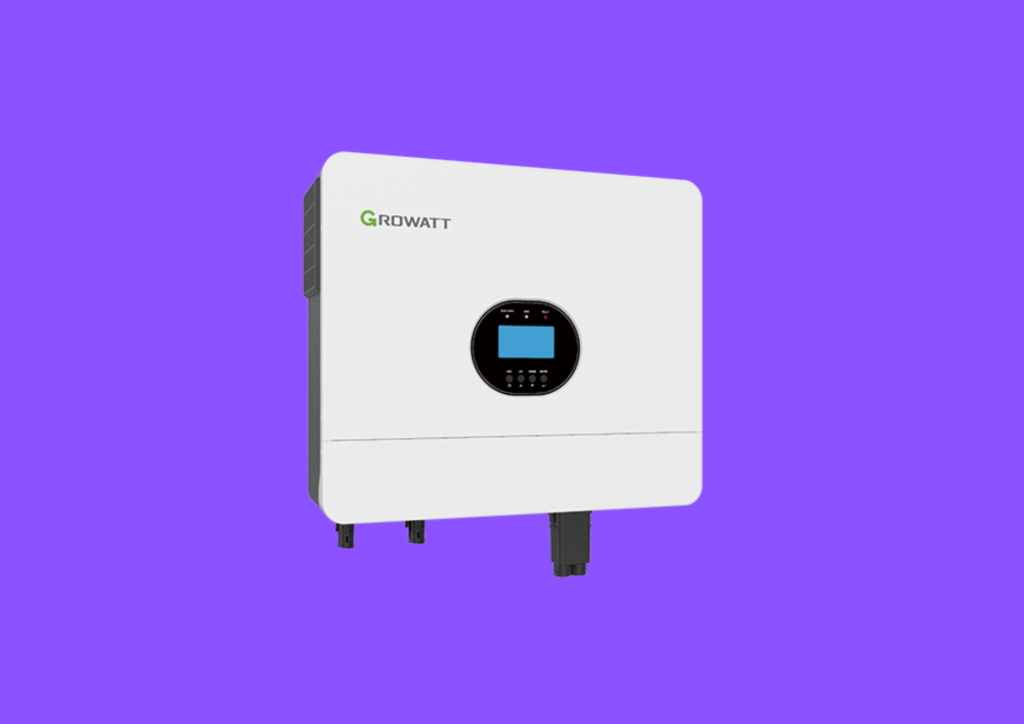
An inverter should provide quiet, reliable power. Therefore, constant beeping can become frustrating quickly. However, that sound usually has a purpose. Your inverter may be warning about an operating condition.
Sometimes, the issue is completely normal. Other times, it needs immediate attention. The important thing is understanding what the beep means. Ignoring repeated warnings can cause bigger problems later.
This guide explains why your inverter keeps beeping. It also covers common causes and solutions. You will learn what to check first. Additionally, we explain when professional assistance becomes necessary.
What Does Inverter Beeping Mean?
Inverter beeping is usually an alert. The inverter uses sounds to communicate warnings. Different beep patterns can indicate different conditions. Therefore, the exact meaning varies by inverter model.
Modern inverters often display error codes too. The screen may show a warning symbol. Some models also provide battery information. Others indicate overload or temperature problems.
For example, a single beep may be normal. Continuous beeping usually deserves more attention. Rapid beeps can indicate serious operating conditions.
Always check your inverter’s user manual first. The manual explains each warning pattern. It also provides model-specific troubleshooting instructions.
Why Your Inverter Keeps Beeping
Several issues can trigger repeated inverter alarms. Some are easy to correct. Others require proper technical inspection.
Here are the most common causes:
- Low battery voltage
- High battery temperature
- Excessive electrical load
- Overheating
- Poor battery connections
- Low solar charging
- Input voltage problems
- Output overload
- Communication errors
- System faults
Let’s examine these problems more closely.
1. Your Battery Voltage Is Too Low
Low battery voltage causes frequent inverter alarms. This happens when batteries become heavily discharged. The inverter warns before shutting down completely.
For example, nighttime usage can drain batteries. Heavy appliances can increase this drain. Consequently, voltage may fall quickly.
This problem can happen with different battery types. However, lithium batteries usually have protection systems. Their battery management system can disconnect the battery.
Check the battery’s displayed state of charge. Also, check the inverter’s battery voltage. If the voltage remains unusually low, investigate further.
Avoid repeatedly forcing a deeply discharged battery. Instead, allow the system to recharge properly. If the issue continues, contact a qualified technician.
2. Your Solar System Is Not Charging Properly
Your batteries need sufficient charging energy. Solar panels normally provide this energy during daylight. However, several problems can reduce charging.
Cloudy weather can reduce solar production. Dirty panels can also reduce output. Shading may create similar problems.
Additionally, damaged cables can restrict energy flow. Poor connections can cause charging problems. Consequently, the battery may remain undercharged.
Check your inverter’s solar input readings. Compare them during strong sunlight. A professional can also inspect panel performance.
At Jeho Ashar Energy, proper system sizing matters. Quality panels and compatible equipment work together. Good installation also supports reliable charging.
3. The Inverter Is Overloaded
An overloaded inverter may beep repeatedly. This happens when connected appliances exceed capacity. The inverter then protects itself from damage.
Large appliances often cause sudden demand. Air conditioners are common examples. Water pumps can also create high starting loads.
Other heavy appliances include:
- Electric water heaters
- Electric cookers
- Refrigerators
- Freezers
- Washing machines
- Irons
- Microwave ovens
- Electric kettles
For example, multiple appliances may start together. The inverter then experiences a sudden power demand. Consequently, it may trigger an overload alarm.
Switch off unnecessary appliances first. Then check whether the beeping stops. If it continues, inspect the inverter’s load level.
4. The Inverter Is Overheating
Inverters generate heat during operation. However, excessive heat can trigger protection systems. The inverter may then start beeping.
Poor ventilation is a common cause. Installing the inverter inside a cramped space creates problems. Direct sunlight can also increase operating temperature.
Keep the inverter in a suitable location. Ensure sufficient airflow around the unit. Additionally, keep vents clean and unobstructed.
Never cover an operating inverter with materials. Do not place objects directly around vents. Proper ventilation supports safer operation.
5. Battery Connections May Be Loose
Loose battery connections can cause unstable operation. They may also create voltage fluctuations. Consequently, the inverter can trigger repeated warnings.
Inspecting battery connections requires caution. High-current battery systems can be dangerous. Therefore, avoid touching exposed electrical connections.
A qualified installer should inspect suspicious connections. They can check terminals and cable sizing. They can also verify connection tightness safely.
This becomes especially important with larger systems. High-capacity lithium batteries can deliver substantial current. Proper installation is therefore essential.
6. The Battery May Be Too Hot
Battery temperature can affect system operation. Modern battery systems monitor internal conditions. If temperatures become unsafe, protection may activate.
High temperatures can result from poor ventilation. Excessive charging can also contribute. Heavy loads may increase battery heating.
Some lithium battery systems include internal protection. The Battery Management System monitors battery conditions. It can limit charging or discharging when necessary.
Therefore, never ignore temperature warnings. Check the battery display for alerts. Also, inspect the installation environment.
7. Your Inverter Has an Input Problem
Inverters can operate with different power sources. These may include solar, batteries, or grid power. Problems with incoming power can trigger warnings.
For grid-connected systems, unstable grid voltage matters. Excessively high voltage can cause alarms. Very low voltage can do the same.
Some systems also use generators. Generator voltage and frequency must remain compatible. Otherwise, the inverter may reject the input.
If your inverter beeps whenever grid power returns, investigate the input. Do not assume the inverter itself is defective.
8. Communication Problems Can Trigger Beeping
Modern solar systems communicate between components. The inverter may communicate with batteries. It can also communicate with monitoring equipment.
For example, lithium batteries often communicate with compatible inverters. This communication allows proper battery management. A communication failure may create an alarm.
Common causes include:
- Incorrect communication cables
- Wrong communication settings
- Loose connectors
- Incompatible equipment
- Incorrect battery addressing
- Communication protocol problems
Therefore, compatibility matters when expanding systems. Battery and inverter communication should be verified beforehand.
Can Beeping Damage Your Inverter?
The beep itself usually does not cause damage. Instead, it warns about another condition. However, ignoring the warning can create problems.
For example, repeated overloads stress the inverter. Persistent overheating can also reduce component life. Deep battery discharge may affect battery performance.
Therefore, treat repeated alarms seriously. Check the displayed warning immediately. Do not simply mute the alarm and continue.
How To Troubleshoot a Beeping Inverter
You can perform some basic checks safely. However, electrical work should use qualified professionals.
Follow these simple steps:
Step 1: Check the Display
Look for warning messages. Note any error codes shown. The manual can explain their meaning.
Step 2: Check Your Battery Level
Confirm the battery state of charge. Look for unusual voltage readings. Check whether charging is occurring normally.
Step 3: Reduce the Load
Switch off heavy appliances temporarily. Check whether the beeping stops. This can identify an overload condition.
Step 4: Check Ventilation
Make sure airflow remains unrestricted. Look for excessive heat around the inverter. Move objects away from ventilation openings.
Step 5: Check Solar Production
Review solar input during daylight. Look for unexpectedly low production. Also consider clouds and shading.
Step 6: Call a Professional
Persistent alarms require proper diagnosis. Avoid opening the inverter unnecessarily. Professional inspection reduces safety risks.
How To Prevent Inverter Beeping
Prevention starts with proper system design. Your inverter should match your electrical demand. Your battery capacity should also match usage.
Furthermore, installation quality matters greatly. Proper cable sizing supports stable operation. Correct protection devices provide additional safety.
Regular maintenance also helps prevent problems.
Consider these maintenance habits:
- Monitor inverter performance regularly.
- Keep equipment properly ventilated.
- Avoid unnecessary electrical loads.
- Inspect system performance periodically.
- Keep solar panels reasonably clean.
- Check battery health through monitoring.
- Address warning codes promptly.
- Use qualified solar technicians.
- Avoid modifying system settings unnecessarily.
Choosing the Right Inverter Size
Some beeping problems start before installation. An undersized inverter may struggle with household demand. Therefore, proper system assessment is essential.
For example, a home using two air conditioners needs planning. Starting currents can be significant. Other appliances may operate simultaneously.
A professional installer should assess:
- Total connected loads
- Peak power demand
- Appliance starting requirements
- Battery capacity
- Solar panel capacity
- Expected nighttime usage
- Future energy requirements
At Jeho Ashar Energy, proper system planning can prevent these issues. The right combination of panels, batteries, and inverters matters.
For homes requiring reliable backup power, quality equipment is equally important. You can explore solar solutions and equipment through https://www.abujasolar.com.
When Should You Call a Solar Professional?
Some inverter warnings need immediate attention. Especially when the system behaves unusually.
Contact a qualified technician when:
- Beeping continues after reducing loads.
- The inverter repeatedly shuts down.
- Battery temperatures appear excessive.
- Burning smells are present.
- Cables become unusually hot.
- Error codes keep returning.
- Battery communication repeatedly fails.
- The inverter shows serious fault warnings.
Never ignore burning smells or smoke. Switch off the system if safe. Then seek professional assistance immediately.
Conclusion
Your inverter keeps beeping for a reason. It may indicate low battery voltage. It may also indicate excessive load. Furthermore, overheating and charging issues are common causes.
Therefore, never treat repeated beeping as background noise. Check the display and battery level first. Reduce heavy loads when necessary. Then investigate the underlying cause.
A properly designed system should operate reliably. Quality equipment also makes a difference. Most importantly, professional installation protects system performance.
Jeho Ashar Energy provides quality solar equipment. These include inverters, lithium batteries, and solar panels. Proper system design helps these components work together.
Final Thought
A beeping inverter is giving you information. Listen before a small warning becomes costly. Understand the alert, find the cause, and act early.
Learn more about quality solar solutions at https://www.abujasolar.com
Clear and useful tips here. One browser transcription studio I use is Muse Voice Transcribe: . Muse Voice Transcribe