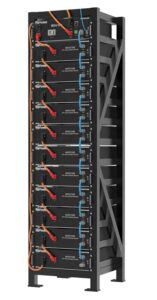
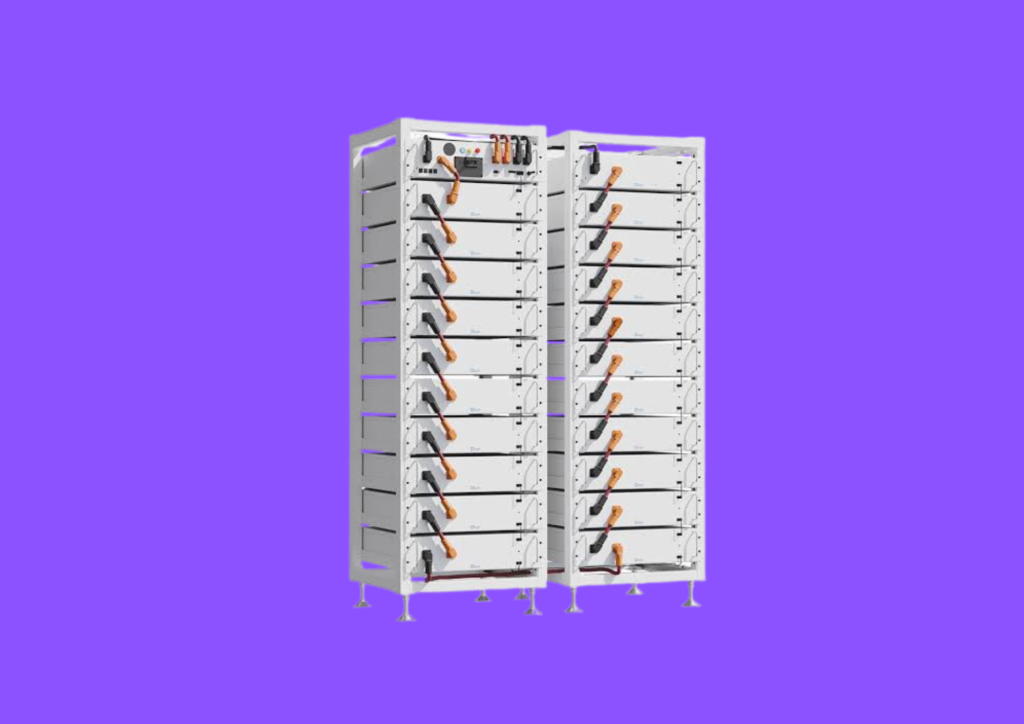
A solar battery is a major investment.
Therefore, lifespan matters from day one.
Nobody wants frequent battery replacements.
However, battery lifespan depends on several factors.
Battery chemistry is only one factor.
Deye lithium batteries are designed for longevity.
They combine lithium technology with intelligent controls.
These features help manage daily battery operation.
Furthermore, proper charging and discharging matter greatly.
Temperature also affects long-term battery performance.
So does the way the battery gets installed.
This explains why battery quality matters.
It also explains why system design matters.
In this article, we explore the key reasons.
We will also discuss proper battery care.
What Makes a Battery Last Longer?
Battery lifespan depends on daily operating conditions.
Every charge and discharge creates some wear.
However, good battery management can reduce stress.
A long-lasting battery generally needs:
- Stable charging conditions
- Controlled discharge levels
- Good temperature management
- Effective battery monitoring
- Proper protection
- Compatible inverter settings
- Quality installation
Deye batteries combine several of these features.
Their battery management system plays an important role.
Therefore, longevity is not accidental.
It comes from several systems working together.
Lithium Technology Supports Long-Term Use
Deye lithium batteries use lithium battery technology.
Lithium batteries generally offer strong cycling performance.
A battery cycle involves charging and discharging.
Repeated cycling gradually affects battery capacity.
However, battery chemistry affects this process.
Some lithium technologies handle repeated cycling well.
Deye’s lithium storage solutions are designed for regular use.
They can support residential and commercial applications.
This makes them suitable for daily solar storage.
They can also support backup power requirements.
However, battery lifespan still depends on usage.
Good technology cannot replace proper system design.
The Battery Management System Protects the Battery
One major feature is the Battery Management System.
It is commonly called the BMS.
The BMS monitors important battery conditions.
It helps keep battery operation within safe limits.
Depending on the battery model, monitoring can include:
- Voltage
- Current
- Temperature
- Charging conditions
- Discharging conditions
- Battery status
- Protection conditions
This information helps the battery operate safely.
For example, abnormal conditions may trigger protection.
The battery can respond before damage becomes serious.
Therefore, the BMS is central to battery longevity.
Controlled Charging Reduces Battery Stress
Charging conditions affect battery life significantly.
Too much charging stress can reduce battery performance.
Deye batteries are designed to communicate with compatible inverters.
This communication helps coordinate charging and discharging.
The inverter can receive battery information.
It can then adjust operation accordingly.
This is particularly useful in hybrid solar systems.
The battery and inverter work as a coordinated system.
Consequently, charging becomes more controlled.
That can support longer battery service life.
Depth of Discharge Matters
How deeply you discharge a battery matters.
This is known as Depth of Discharge.
For example, using a battery moderately is different.
Completely draining it repeatedly creates more stress.
Modern lithium batteries can support deep discharge.
However, that does not mean every cycle should be extreme.
A sensible operating strategy can help preserve capacity.
For example, homeowners can:
- Avoid unnecessary overnight loads
- Reduce high-power appliance usage
- Use efficient appliances
- Set appropriate backup priorities
- Monitor battery state regularly
Therefore, battery capacity should match actual demand.
Thermal Management Helps Protect Battery Life
Temperature can affect battery performance.
Extreme temperatures can increase battery stress.
Therefore, installation location matters.
A battery should be installed in a suitable environment.
It should have adequate ventilation where required.
Avoid placing batteries near excessive heat sources.
Also protect them from moisture and harsh conditions.
For example, a poorly ventilated battery location can become hot.
That environment may affect long-term performance.
Consequently, good installation practices support battery longevity.
Battery Communication Improves System Coordination
Modern solar batteries do more than store energy.
They communicate with compatible solar inverters.
Deye batteries can communicate with supported Deye inverter systems.
This allows important operating information to be exchanged.
The inverter can receive battery status information.
The battery can also report operating conditions.
This communication can help coordinate:
- Charging limits
- Discharging limits
- Battery state
- Protection conditions
- System operating status
As a result, the complete system can operate more intelligently.
Built-In Protection Helps Prevent Damage
Protection is another important factor.
Lithium batteries need protection against abnormal conditions.
Depending on the specific model, protection functions can address issues such as:
- Overcharging
- Excessive discharge
- Over-current
- Short circuits
- Abnormal temperature
- Other operating faults
These protections help reduce unnecessary battery stress.
However, external system protection still matters.
Proper installation remains essential.
A good battery cannot compensate for unsafe wiring.
It also cannot fix incorrect installation practices.
Proper Inverter Matching Makes a Difference
Battery performance depends on the entire system.
Therefore, inverter compatibility is important.
A battery must work within its intended specifications.
The inverter must also support appropriate battery communication.
For example, a Deye lithium battery paired with compatible equipment can provide coordinated operation.
This can make system management easier.
It can also improve monitoring and protection.
However, installers should always follow manufacturer specifications.
They should also use compatible communication cables and settings.
Correct Sizing Prevents Unnecessary Battery Stress
Battery size should match your energy needs.
An undersized battery may experience heavy daily use.
For example, consider a home using large appliances overnight.
A small battery may discharge rapidly each evening.
That pattern can create unnecessary operating stress.
On the other hand, excessive battery capacity can increase costs.
Therefore, the goal is balanced battery sizing.
A proper assessment should consider:
- Daily energy consumption
- Nighttime loads
- Backup duration
- Peak demand
- Solar generation
- Inverter capacity
- Future energy requirements
This approach helps the battery operate appropriately.
Solar Panels Also Affect Battery Performance
A battery needs enough energy for recharging.
Therefore, your solar array matters too.
If your panels produce insufficient energy, problems can develop.
The battery may not recharge fully each day.
For example, heavy household consumption can exceed solar production.
The battery then carries more of the energy burden.
This can increase dependence on stored energy.
Therefore, solar panels and batteries must be sized together.
Quality Jinko solar panels can support strong energy generation.
However, proper system sizing remains essential.
Monitoring Helps Catch Problems Early
Regular monitoring can extend battery service life.
It helps users understand system behavior.
For example, monitoring may reveal unusual discharge patterns.
It may also show charging problems.
Users can then investigate issues earlier.
Watch for signs such as:
- Unexpected battery drain
- Unusual temperature readings
- Repeated protection events
- Charging interruptions
- Communication errors
- Sudden performance changes
Early attention can prevent small issues from becoming expensive.
Installation Quality Still Matters
Even a quality battery needs proper installation.
Poor installation can affect overall performance.
The installer should follow manufacturer requirements.
Battery connections should also be secure.
Cable sizing must match the system.
Protection devices should also be appropriate.
Furthermore, batteries should be installed in suitable locations.
Therefore, battery longevity begins before operation.
It starts with proper planning and installation.
A Simple Real-Life Example
Consider two homes using similar lithium batteries.
Both households have similar battery capacity.
However, their usage patterns are different.
Home A uses moderate loads overnight.
Its battery rarely experiences heavy demand.
Home B runs several air conditioners overnight.
It also uses pumps and other appliances.
Consequently, Home B uses much more energy.
Its battery experiences more demanding daily cycles.
This shows an important point.
Battery lifespan depends on operating conditions.
The battery model alone is not enough.
Therefore, proper sizing and responsible usage matter.
How to Help Your Deye Battery Last Longer
Good battery habits can support long-term performance.
Follow these practical steps:
- Use the correct inverter settings.
Follow manufacturer recommendations carefully. - Avoid unnecessary deep discharges.
Reduce heavy loads when possible. - Monitor battery performance regularly.
Look for unusual changes. - Keep the battery environment suitable.
Avoid excessive heat and moisture. - Use compatible communication equipment.
Proper communication supports system coordination. - Avoid overloading the system.
Match loads with inverter capacity. - Schedule professional inspections.
Check connections and system condition. - Use quality installation materials.
Cables and protection devices matter.
These simple habits can protect your investment.
Why Deye Battery Quality Matters
Long battery life requires more than good chemistry.
It requires intelligent system management too.
Deye combines lithium storage with battery monitoring.
It also supports inverter communication and protection.
Furthermore, proper system integration improves performance.
This makes battery selection an important decision.
At Jeho Ashar Energy, we supply quality solar equipment.
Our product range includes Deye lithium batteries.
We also supply Deye hybrid and high-voltage inverters.
In addition, we provide Jinko solar panels.
Rails, cables, and protection devices are also available.
A properly designed system helps every component perform better.
You can explore quality solar solutions at https://www.abujasolar.com.
Conclusion
So, why do Deye batteries last longer?
Several factors work together.
Lithium technology supports repeated cycling.
The BMS monitors important operating conditions.
Protection features help reduce unnecessary stress.
Furthermore, inverter communication improves system coordination.
Proper sizing prevents excessive daily strain.
Good installation protects the complete system.
However, battery longevity depends on usage too.
Even a quality battery needs proper care.
Therefore, choose the battery carefully.
Then, install and operate it correctly.
A good battery is an investment.
Protecting that investment starts with good design.
Final Thought
Long battery life is not accidental.
It comes from quality, design, and care.
Choose the right battery.
Size it correctly.
Install it properly.
Then, use it wisely.
Learn more about quality solar solutions at https://www.abujasolar.com