Your solar system may work well today. However, your energy needs can change over time. More appliances, higher loads, or longer outages can expose its limits.
At that point, upgrading the battery may become necessary. But should you simply add more low-voltage batteries? Or is it time to consider a Deye HV battery?
High-voltage battery systems can offer a different approach to energy storage. They are designed for applications requiring higher battery voltage and substantial energy capacity. Therefore, choosing an HV battery should depend on your inverter, load profile, battery needs, and future plans.
This guide explains when an upgrade makes sense. It also covers the signs that your current battery setup may no longer be enough.
What Is a Deye HV Battery?
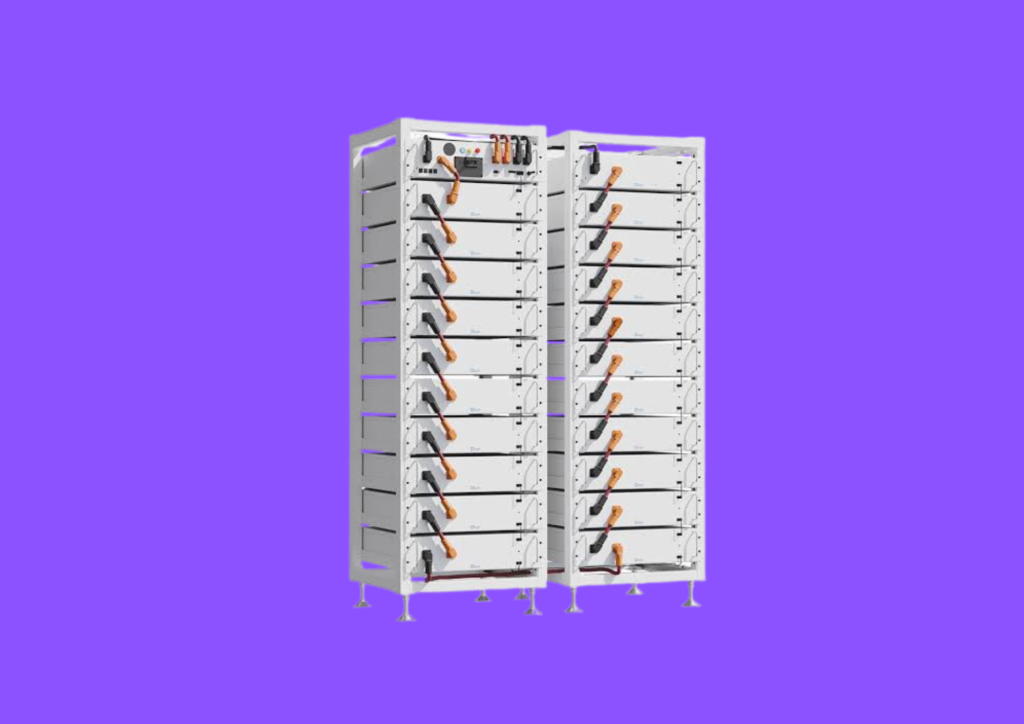
A Deye HV battery is designed to operate at higher DC voltages than typical 48V battery systems. These batteries are commonly paired with compatible high-voltage hybrid inverters.
The higher operating voltage changes how power moves between the battery and inverter. For systems with larger energy requirements, this can support efficient power transfer while reducing the current needed for the same power level.
However, an HV battery is not automatically better for every solar installation. Compatibility remains essential. The battery, inverter, battery management system, and supporting components must work together correctly.
Deye offers different battery solutions for different applications. Therefore, the correct choice should always consider the specific inverter and system design.
Why Would You Upgrade Your Battery System?
Battery upgrades usually happen because the existing system no longer meets the customer’s needs.
Perhaps the household has added more appliances. Maybe the business now operates for longer hours. In other cases, the battery has become too small for the desired backup period.
An upgrade may be worth considering when:
- Your current battery runs out too quickly.
- Your energy consumption has increased.
- You need longer backup periods.
- Your inverter supports high-voltage batteries.
- You are expanding your solar array.
- Your business needs more stored energy.
- You want a larger and more scalable system.
The important point is simple. Do not upgrade based only on battery size.
The entire energy system needs to be considered.
1. Your Battery Runs Out Too Early
One of the clearest warning signs is short backup time.
Suppose your battery previously powered your essential loads throughout the night. Now, it reaches a low state of charge much earlier.
That change could have several causes. Your electricity consumption may have increased. The battery may also have lost usable capacity over time.
For example, a home may add another freezer, air conditioner, or water pump. These appliances can significantly increase daily energy consumption.
If the existing battery cannot comfortably support the new demand, a larger storage system may be appropriate.
However, check your actual consumption first. Sometimes better load management can solve the problem without replacing the battery.
2. Your Energy Demand Has Increased
Energy requirements often grow gradually.
A small solar system may have been enough when it was installed. Later, the property may add more appliances or equipment.
For a business, the change can happen even faster. Additional computers, refrigeration equipment, pumps, or production equipment can increase daily consumption significantly.
In this situation, upgrading to a Deye HV battery may provide additional storage capacity, provided the inverter supports the required configuration.
Before upgrading, calculate your new energy demand. Compare that figure with your current battery capacity and usable energy.
This gives you a clearer picture of what actually needs to change.
3. You Need Longer Backup During Outages
Power outages can make battery capacity especially important.
A small battery may handle short interruptions comfortably. However, longer outages require more stored energy.
For example, imagine a business that needs backup power for eight hours. Its existing battery may have been designed around a much shorter backup period.
Increasing battery storage can extend the available backup time. A compatible Deye HV battery system can be considered when the inverter and overall installation support it.
However, battery size should match critical loads. There is little value in storing more energy if unnecessary appliances consume it quickly.
Therefore, identify the loads that truly need backup power.
4. Your Solar Array Has Been Expanded
Some customers increase their solar panel capacity later.
This can happen when electricity demand grows. It can also happen when the owner wants more daytime energy production.
However, adding more panels does not automatically solve storage limitations.
Imagine a system producing plenty of solar energy during the afternoon. If the battery becomes full quickly, some of that available energy may not be stored for later use.
A larger battery can provide additional storage capacity when properly designed.
This is where a Deye HV battery upgrade may become relevant. The inverter must still support the required PV and battery configuration.
Therefore, check the complete system before expanding.
5. Your Current Battery System Is Becoming Difficult to Scale
Scalability is another important consideration.
Some installations start small. Later, the owner wants significantly more storage.
At that point, the original battery arrangement may not be the most practical path forward.
A properly designed HV battery system can provide a more suitable foundation for larger applications. This is particularly relevant for commercial and higher-demand installations.
However, scalability depends on the exact Deye inverter and battery model.
The system should be designed around future requirements, not only today’s consumption.
Deye HV Battery vs 48V Battery Systems
The choice between HV and 48V storage depends on the application.
A 48V battery system can work well for many residential installations. It is familiar, flexible, and suitable for numerous hybrid inverter configurations.
HV systems operate at significantly higher battery voltages. For larger power requirements, higher voltage can reduce the current required for a given power transfer.
This can become important as system size increases.
However, higher voltage also means the installation must be designed correctly. HV battery systems require compatible equipment, proper protection, and qualified installation.
Therefore, the decision should not be based on voltage alone.
Consider:
- Required storage capacity.
- Inverter compatibility.
- Daily energy consumption.
- Backup requirements.
- Available installation space.
- Future expansion plans.
- System cost.
- Professional installation requirements.
Signs You May Not Need an HV Upgrade
Not every battery problem requires an upgrade.
Sometimes the issue is configuration rather than capacity.
For example, incorrect battery settings can affect charging and discharging. Poor load management can also make a battery appear undersized.
Before replacing your battery, check:
- Battery state-of-charge settings.
- Battery health.
- Inverter configuration.
- Daily energy consumption.
- Heavy appliance usage.
- Battery communication.
- Charging performance.
- Solar production.
If the battery is healthy and the issue comes from excessive consumption, an upgrade may not be the first solution.
A proper system assessment can reveal the actual problem.
What Should You Check Before Upgrading?
An HV battery upgrade should never begin with the battery alone.
Start with the inverter.
Confirm that your Deye inverter supports the intended HV battery. Then check the compatible battery voltage range, communication requirements, and maximum charging or discharging limits.
Next, review your energy consumption.
Ask yourself:
- How much energy do we use daily?
- How much backup do we need?
- Which appliances require backup?
- How much solar energy is produced?
- What battery capacity is currently available?
- Will energy demand increase soon?
These questions help create a realistic upgrade plan.
Battery Capacity Is Not the Only Consideration
A larger battery stores more energy. However, that does not mean every larger battery is suitable.
The inverter must be able to manage it. The battery must also communicate correctly with the system.
In addition, installation requirements become important.
An HV system may require specific battery modules, cables, protection equipment, and communication connections. Therefore, the upgrade should be treated as a complete system project.
This is especially important for commercial installations.
A professional assessment can help prevent compatibility problems and unnecessary spending.
When an HV Battery Makes More Sense
An HV battery may become more appropriate as system requirements increase.
For instance, consider a commercial property with significant daytime consumption and evening operations. The business may need substantial storage after sunset.
A properly matched HV battery system can provide a suitable storage architecture for such an application.
Similarly, larger residential systems may eventually outgrow their original battery configuration.
In both cases, the decision should follow the system’s actual requirements.
It should not simply be based on the idea that HV means better.
Safety Matters During an HV Upgrade
High-voltage battery systems require careful handling.
Installation should follow the manufacturer’s instructions. Appropriate protective equipment and isolation procedures should also be used.
Do not attempt to modify an HV battery system without suitable technical knowledge.
Installers should verify:
- Battery compatibility.
- Cable connections.
- Communication connections.
- Protection devices.
- Grounding requirements.
- Battery configuration.
- Inverter settings.
- System commissioning.
Deye documentation should always be checked for the exact equipment involved.
Proper commissioning is equally important after installation.
A Practical Example
Consider a growing business using a Deye hybrid inverter.
Initially, its battery was enough for evening operations. Over time, the business added refrigeration equipment and more workstations.
Energy consumption increased significantly. The battery now reaches its lower operating limit much earlier.
The owner could simply add more appliances to the existing setup. However, that would not solve the underlying storage limitation.
Instead, the system should be reassessed.
If the inverter supports an appropriate Deye HV battery configuration, upgrading the storage system could provide a more suitable long-term solution.
The important lesson is clear. The battery upgrade should follow the new energy requirements.
When to Contact a Solar Professional
Some upgrade decisions require technical assessment.
This is particularly true when changing battery voltage or system architecture.
Speak with a qualified solar professional if:
- You are moving from 48V storage.
- You are considering an HV system.
- Your inverter model is unclear.
- Your battery is showing faults.
- You need substantially longer backup.
- You are expanding the solar array.
- Your load has increased significantly.
A professional can assess the inverter, battery, PV array, and loads together.
That approach provides a safer and more accurate upgrade path.
Deye HV Battery Solutions from Jeho Ashar Energy
At Jeho Ashar Energy, battery upgrades should begin with the customer’s actual energy requirements.
Our product range includes Deye hybrid inverters and lithium battery solutions for different applications. We also supply solar panels, cables, rails, and protective devices.
For customers considering a larger storage system, proper compatibility is essential. The inverter and battery should be selected as part of one complete system.
Whether the application is residential, commercial, or industrial, the goal is reliable energy storage that matches actual demand.
You can also explore available solar solutions through https://www.abujasolar.com.
Conclusion
Knowing when to upgrade to a Deye HV battery requires careful assessment.
Short backup times can be one warning sign. Increased energy demand can be another. Solar expansion and future growth may also justify a larger storage solution.
However, battery capacity is only one part of the decision.
The inverter, battery compatibility, load profile, solar production, and future requirements must all be considered.
Therefore, do not upgrade simply because your battery feels inadequate.
First, identify why the current system is struggling. Then choose an upgrade that solves the actual problem.
A well-planned Deye HV battery system can provide a strong foundation for growing energy needs. With proper design and installation, it can also make future expansion easier.
Final Thought
Your energy needs will not always stay the same.
Plan your battery around where you are going. A proper assessment today can prevent an expensive mistake tomorrow.