
Choosing a solar inverter for your home is an important decision. The right inverter can improve power reliability and comfort. However, the wrong choice may lead to unnecessary expenses. It may also struggle to support your everyday appliances.
In Nigeria, many households need dependable alternatives to unreliable grid electricity. Some families want backup power for lights, fans, televisions, and refrigerators. Others need enough capacity for air conditioners, freezers, and water pumps. Therefore, comparing Deye and Growatt is a useful starting point.
Both brands offer hybrid inverters for solar installations. However, their available models, features, prices, and system requirements differ. Understanding these differences can help you choose a suitable solution. This guide explains what Nigerian homeowners should consider before buying.
Understanding Deye and Growatt Solar Inverters
Deye and Growatt are established names in solar energy equipment. Both offer inverter models designed for different installation sizes. Their hybrid inverters can work with solar panels and compatible batteries. Depending on the model, they may also support grid or generator input.
A hybrid inverter helps manage electricity from different sources. It can use solar energy to power household appliances. It can also coordinate battery charging and backup power. However, available functions depend on the specific inverter model and installation.
For Nigerian homes, the inverter must suit local power conditions. It should also match the household’s electricity needs. Brand reputation alone cannot guarantee good performance. Correct sizing, installation, and compatible equipment matter just as much.
Deye vs Growatt for Nigerian Homes: Key Differences
There is no single winner for every household. The better choice depends on your budget, appliances, and future plans. You should compare specific models rather than brands alone.
Here are the main factors to consider.
1. Inverter Capacity and Available Models
Both brands offer different inverter capacities for residential applications. Smaller models may suit basic household backup systems. Larger models can support heavier loads when properly designed.
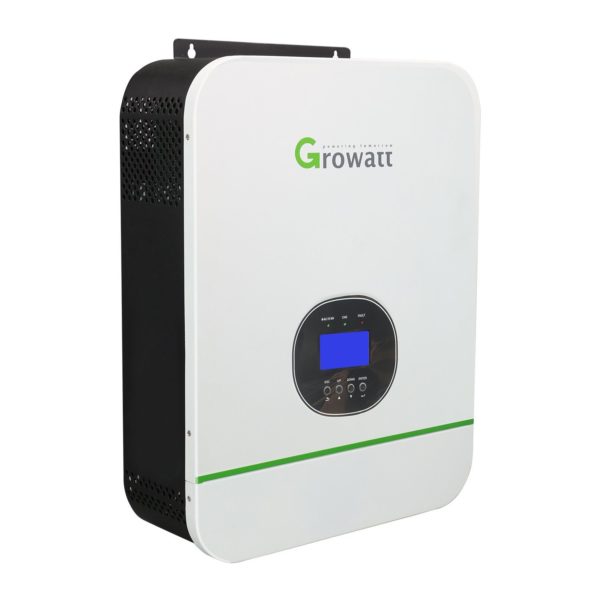
For example, Jeho Ashar Energy supplies Deye low-voltage hybrid inverters in capacities including 5kW, 6kW, 10kW, and 12kW. Growatt options include 48V hybrid models such as 5kW, 6kW, and 12kW. Actual availability depends on the current product range and stock.
When choosing capacity, consider the appliances you intend to run. A larger inverter does not automatically provide longer backup time. Battery capacity and available energy determine how long appliances can operate.
2. Price and Overall Installation Cost
Price is often a major concern for Nigerian homeowners. However, the cheapest inverter may not offer the best overall value. Compare the complete system cost before making your decision.
Your budget should account for:
- The inverter and its rated capacity.
- Compatible batteries and their storage capacity.
- Solar panels and mounting structures.
- Correctly sized cables and protective devices.
- Installation, configuration, and testing.
- Future expansion and maintenance requirements.
Prices can vary between models and suppliers. They may also change with exchange rates and stock availability. Therefore, request current quotations for comparable Deye and Growatt systems.
Compare systems with similar capacities and features. Also, check what each quotation includes. This prevents you from comparing an incomplete installation against a fully equipped package.
3. Battery Compatibility
Battery compatibility is essential for a reliable solar installation. Both brands have models designed to work with compatible battery systems. However, compatibility should never be assumed simply because two products use lithium batteries.
Check the inverter manufacturer’s approved battery list. Confirm the battery voltage and communication requirements. Some systems use communication cables and protocols to coordinate charging and monitoring.
For example, a homeowner choosing a 48V inverter needs a suitable battery configuration. The battery must meet the inverter’s voltage and operating requirements. The combined system must also support the household’s expected loads.
Deye and Growatt compatibility depends on the exact inverter and battery models. Always confirm the combination with the supplier or manufacturer. This is especially important when mixing equipment from different brands.
4. Performance During Power Outages
Nigerian households often need backup power during grid interruptions. However, backup performance depends on the entire solar system. The inverter alone cannot determine how long your appliances will remain powered.
Three factors are particularly important:
- Inverter capacity: Determines the load the system can support within its operating limits.
- Battery capacity: Determines how much stored energy is available.
- Solar panel output: Helps replenish energy when sunlight is available.
Imagine a home using lights, fans, a television, and a refrigerator. A properly sized system may support these appliances during an outage. However, adding an air conditioner or electric kettle increases demand considerably.
Consequently, calculate the expected load before selecting an inverter. Also, consider how long the home needs backup power. This helps determine the appropriate battery capacity.
5. Running Heavy Appliances
Some households need more than basic lighting and entertainment. They may want to operate water pumps, washing machines, freezers, or air conditioners. These appliances require careful assessment before installation.
Check both running power and starting power. Motors and compressors can draw extra current when starting. Therefore, an inverter must handle the relevant surge requirements.
A 5kW inverter may suit one household but not another. The difference depends on which appliances operate simultaneously. A larger model may be appropriate for heavier demand.
Both Deye and Growatt offer models across different capacity ranges. However, features and load-handling limits vary by model. Ask a qualified installer to assess your appliance list before buying.
Which Brand Is Better for Different Nigerian Households?
Instead of choosing by brand name alone, begin with your daily routine. Consider your essential appliances, operating hours, and expected expansion. Then compare suitable models from both manufacturers.
Small Homes and Basic Backup Needs
A smaller system may suit households with modest electricity requirements. Typical loads include lights, fans, televisions, routers, and selected appliances. A properly sized 5kW-class inverter may be sufficient in some cases.
Compare available Deye and Growatt models within this category. Consider the battery voltage, supported batteries, monitoring features, warranty, and total cost. Do not pay for capacity you are unlikely to use.
Medium-Sized Homes
Homes with refrigerators, freezers, pumps, or selected air conditioners may need more capacity. A 6kW or larger inverter could be worth considering. However, the correct choice depends on simultaneous loads and starting requirements.
For example, a household may run several fans and a refrigerator throughout the day. It may also use an air conditioner at night. Battery capacity must reflect the intended operating hours.
Both brands have models worth evaluating for these requirements. Compare their specifications and compatible battery options before deciding.
Large Homes and High Electricity Demand
Larger homes may have multiple air conditioners and other heavy appliances. They may also require more battery storage and solar generation. A larger inverter or a carefully designed multi-inverter system may be necessary.
At this level, professional system design becomes especially important. The installer should assess load distribution, surge requirements, wiring, protection, and available installation space. They should also consider future expansion.
Do not select a high-capacity inverter based only on the size of your home. Base the decision on measured or estimated electricity demand. This provides a more reliable foundation for your investment.
Important Features to Compare Before Buying
Deye and Growatt product ranges contain different models and specifications. Therefore, review the official datasheet for each inverter under consideration.
Pay particular attention to these features:
- Battery voltage: Confirm whether the model uses a low-voltage or high-voltage battery system.
- Rated output: Check the inverter’s continuous power rating.
- Surge capacity: Confirm support for appliances with high starting demands.
- Solar input limits: Review maximum PV voltage, current, and supported solar power.
- Charging options: Check supported grid, generator, and solar charging functions.
- Monitoring: Review available displays, applications, and communication options.
- Warranty: Confirm the applicable terms, coverage, and service arrangements.
- Expansion options: Check whether the model supports parallel operation or other planned upgrades.
These details help reveal differences that brand names cannot explain. They also reduce the risk of purchasing an unsuitable model.
Common Mistakes to Avoid When Choosing an Inverter
A good inverter can still disappoint when the system is poorly designed. Avoid these common mistakes during your purchase.
Choosing by price alone: Low upfront cost does not always mean better value. Consider compatibility, warranty, installation quality, and long-term requirements.
Ignoring battery capacity: A powerful inverter cannot provide long backup without sufficient stored energy. Calculate expected consumption and backup hours before choosing batteries.
Overloading the system: Operating too many appliances simultaneously can exceed inverter limits. Prioritize essential loads and plan appliance usage carefully.
Ignoring cable sizing and protection: Incorrect wiring can create overheating and electrical hazards. Use suitable cables, breakers, isolators, and other required protection.
Buying incompatible equipment: Not every lithium battery works with every inverter. Verify communication protocols and approved configurations before installation.
Using unqualified installers: Poor installation can affect safety and reliability. Choose professionals who understand the specific equipment and applicable electrical requirements.
Where Can You Buy Deye and Growatt Solar Equipment in Nigeria?
Choosing a reliable supplier helps you compare products and plan your installation. Look for clear specifications, genuine products, appropriate warranties, and technical guidance. Ask questions about compatibility before paying.
Jeho Ashar Energy supplies Deye and Growatt hybrid inverters, alongside solar panels, lithium batteries, cables, mounting rails, and protective devices. These components can help form a complete solar installation when correctly matched. You can explore available products and solar solutions at https://www.abujasolar.com.
Before purchasing, share your appliance list and expected backup hours. Request a recommendation based on your actual requirements. Also, confirm current prices, stock availability, and warranty terms.
Conclusion
Deye and Growatt both offer options for Nigerian homes. However, neither brand is automatically the best choice for everyone. The right inverter depends on capacity, battery compatibility, features, budget, and installation quality.
For basic household backup, compare suitable smaller models. For heavier loads, assess larger capacities and battery requirements carefully. Above all, compare exact specifications rather than relying on brand reputation alone.
Final Thought
Your solar inverter should match how your household uses electricity. Take time to assess your appliances and future needs. A well-designed system can provide more dependable power and better value.
Learn more about quality solar solutions at https://www.abujasolar.com