Running a business requires careful control of operating costs. Electricity is one expense many businesses cannot avoid. However, poor energy management can increase monthly bills unnecessarily. It can also disrupt operations and affect productivity. Therefore, businesses need practical ways to use energy wisely.
Energy management tips for businesses help organizations reduce waste and improve efficiency. They also support better planning for backup power and solar energy. Whether you manage an office, shop, hotel, warehouse, or factory, small changes can make a difference. With the right approach, your business can reduce energy costs without sacrificing performance.
What Is Energy Management?
Energy management means monitoring and controlling how a business uses electricity. It involves identifying waste, improving equipment efficiency, and planning consumption. The goal is simple: use energy effectively while avoiding unnecessary expenses.
For example, an office may leave air conditioners running after closing. A warehouse might use outdated lighting throughout the day. Meanwhile, a factory could operate several high-power machines simultaneously. These habits increase consumption and operating costs.
Effective energy management helps businesses understand where electricity goes. It also reveals opportunities to improve daily operations. Over time, these improvements can support better financial planning.
Why Energy Management Matters for Businesses
Electricity supports many essential business activities. Lighting, computers, cooling systems, machinery, and security equipment all require power. Consequently, inefficient energy use can affect several areas of your operations.
Here are some important benefits.
- Lower electricity bills: Reducing waste helps control monthly expenses.
- Improved productivity: Reliable power supports smoother daily operations.
- Better equipment performance: Proper use can reduce unnecessary strain.
- Reduced generator dependence: Efficient energy use can lower fuel consumption.
- Improved solar performance: Lower demand helps businesses maximize available solar power.
- Better budgeting: Understanding consumption makes energy costs easier to forecast.
Furthermore, energy efficiency can support business growth. Money saved on electricity can fund inventory, staff development, maintenance, or expansion.
1. Monitor Your Business’s Electricity Consumption
You cannot manage what you do not measure. Start by reviewing your electricity bills and consumption patterns. Compare recent bills to identify unusual increases. Also, note the days and periods when demand is highest.
For larger businesses, consider using energy monitoring devices. These tools can help track consumption across different circuits or equipment. However, the right monitoring solution depends on your building and electrical setup.
Pay attention to equipment that consumes power continuously. Refrigerators, servers, security systems, and network equipment may operate around the clock. Therefore, identify essential loads before changing operating schedules.
Practical tip: Keep a monthly energy record. Include electricity costs, generator fuel expenses, and major equipment usage. This information helps you measure improvements over time.
2. Identify Your Biggest Energy Consumers
Not every appliance consumes electricity at the same rate. Some equipment requires significantly more power than others. Therefore, identifying major energy users should be an early priority.
Common high-consumption equipment includes:
- Air conditioners and large ventilation systems.
- Industrial machines and production equipment.
- Electric heaters and water heating systems.
- Commercial refrigerators and cold-room equipment.
- Pumps, compressors, and electric motors.
- Large printers and other frequently used office equipment.
However, equipment size alone does not determine total consumption. Operating hours and efficiency also matter. A smaller appliance running continuously may consume more energy than a larger appliance used briefly.
Check equipment labels for wattage and operating requirements. You can also consult qualified technicians when assessing complex machinery. This helps you prioritize improvements based on actual consumption.
3. Choose Energy-Efficient Equipment
Older equipment can consume more electricity than necessary. Replacing every appliance immediately may not be practical. Instead, prioritize equipment with high consumption or frequent operating hours.
When purchasing new equipment, compare energy ratings and expected running costs. Look beyond the initial purchase price. An efficient appliance may cost more upfront but save money over its useful life.
For example, efficient air conditioners can reduce cooling costs. LED lighting can also replace less efficient lighting systems. Similarly, properly selected motors may improve performance in industrial settings.
Before upgrading, confirm that the equipment suits your business needs. An undersized appliance may struggle under heavy demand. In contrast, an unnecessarily large unit can increase purchase and operating costs.
4. Improve Air Conditioning and Ventilation
Cooling can account for a significant share of electricity consumption. This is particularly relevant in Nigerian offices, hotels, shops, and commercial buildings. Therefore, managing air conditioning can create meaningful savings.
Start with simple daily habits:
- Set temperatures at comfortable, reasonable levels.
- Keep doors and windows closed while cooling.
- Clean air filters according to manufacturer recommendations.
- Service air conditioners regularly.
- Improve insulation where practical.
- Switch off cooling in unused rooms when appropriate.
Additionally, use blinds or shading to reduce direct sunlight. This can help rooms remain cooler during hot periods. Ensure ventilation systems receive proper maintenance as well.
Avoid setting air conditioners extremely low to cool rooms faster. This does not guarantee faster cooling and may increase energy consumption. Instead, maintain suitable settings and keep equipment in good condition.
5. Make Lighting More Efficient
Lighting is another area where businesses can reduce waste. Start by checking whether every light needs to remain on. Stores, offices, corridors, and warehouses often have unnecessary lighting during quiet periods.
Consider these practical improvements:
- Replace inefficient bulbs with suitable LED alternatives.
- Switch off lights in unused spaces.
- Use natural daylight where practical.
- Install occupancy sensors in suitable areas.
- Create separate lighting zones for different activities.
- Clean lighting fixtures to maintain brightness.
However, never compromise workplace safety to reduce consumption. Staircases, emergency exits, security areas, and operational spaces need appropriate lighting.
A simple closing checklist can help. Assign someone to inspect lights before the premises are secured. Over time, this habit can prevent avoidable electricity use.
6. Manage Equipment Operating Hours
Some businesses operate equipment longer than necessary. Computers may remain active overnight, while machines run during idle periods. These habits can increase energy consumption without improving output.
Review operating schedules for your major equipment. Identify activities that can be grouped together. Where practical, operate equipment only when needed.
For example, a laundry business could schedule similar washing tasks together. A warehouse might coordinate equipment use around loading periods. An office could shut down unused workstations after business hours.
Nevertheless, some equipment must remain operational continuously. Servers, refrigeration units, security systems, and essential medical equipment may require uninterrupted power. Follow manufacturer instructions and operational requirements before changing any schedules.
7. Consider Solar Power for Business Operations
Solar energy can help businesses manage electricity costs and reduce dependence on conventional power sources. However, the system must match the business’s actual energy needs. Correct sizing is essential for reliable performance.
A commercial solar installation may include:
- Solar panels: Generate electricity from sunlight.
- Hybrid inverters: Manage power from solar panels, batteries, and compatible grid or generator sources.
- Lithium batteries: Store electricity for later use.
- Mounting structures: Secure panels in suitable positions.
- Cables and protective devices: Support safe electrical connections and system protection.
For example, an office may need daytime power for computers, lighting, and cooling. A retail shop might require lighting, point-of-sale equipment, and refrigeration. Meanwhile, a factory could have substantial motor loads and equipment starting currents.
Each situation requires a different design. A system that works for a small office may not support an entire production facility. Therefore, conduct a proper load assessment before purchasing equipment.
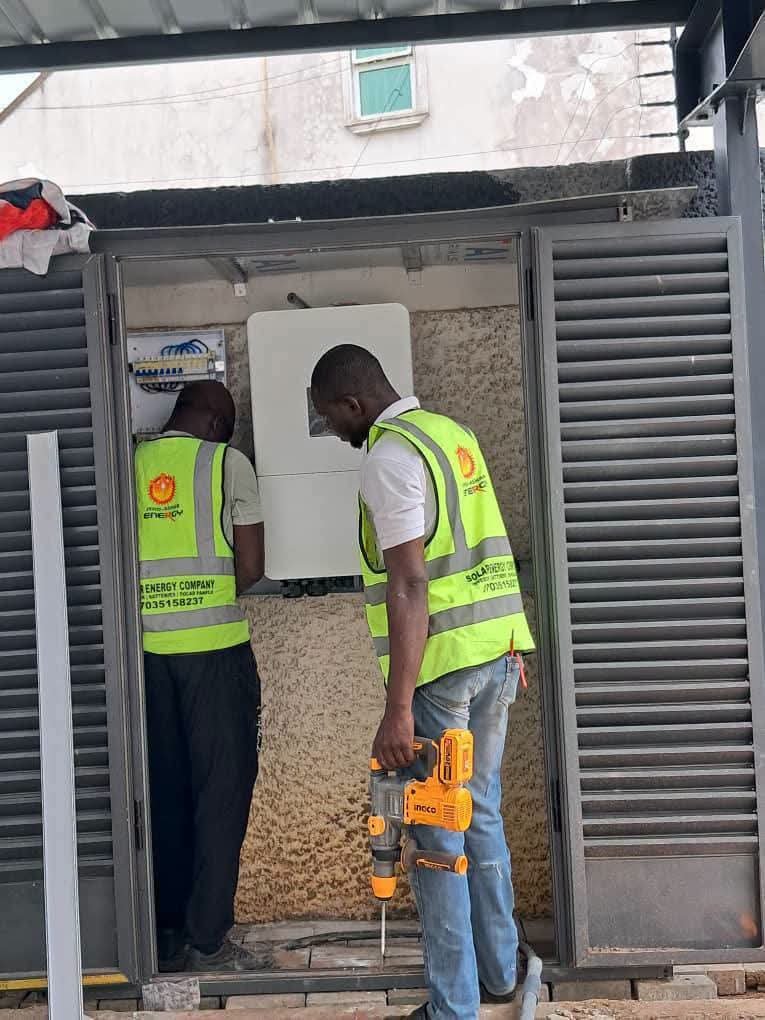
Jeho Ashar Energy supplies solar panels, hybrid and high-voltage inverters, lithium batteries, and related installation components. Businesses exploring solar solutions can visit https://www.abujasolar.com to learn more about available products.
8. Prioritize Essential Equipment During Power Interruptions
Businesses using backup power should identify their critical loads. Not every appliance needs to operate during an outage. Prioritization can help preserve battery energy and maintain essential services.
Divide equipment into three categories:
- Critical loads: Security systems, essential computers, and important operational equipment.
- Important loads: Selected lighting, fans, and necessary office appliances.
- Non-essential loads: Equipment that can wait until grid power returns.
The exact categories depend on your business. For example, refrigeration may be critical for a food retailer. Meanwhile, a printing business may prioritize production equipment and essential computers.
Avoid starting several high-power appliances simultaneously. Motors, pumps, and compressors can draw substantial starting current. A qualified installer can help assess these demands and configure the system appropriately.
9. Maintain Your Electrical and Solar Equipment
Poor maintenance can reduce efficiency and create safety risks. Damaged cables, loose connections, dirty filters, and faulty equipment require attention. Consequently, regular inspections should form part of your energy management plan.
Schedule professional checks for your electrical installation and backup power systems. Inspect equipment for visible damage, unusual sounds, overheating, or unexpected performance changes. Keep inverter ventilation areas clear and follow the manufacturer’s maintenance instructions.
For solar installations, ensure panels remain reasonably clean and free from persistent shading. Arrange inspections after severe weather when appropriate. However, never climb onto roofs or handle exposed electrical components without proper training.
Safety reminder: Electrical faults should be handled by qualified professionals. Do not open inverters, batteries, or distribution panels unless authorized and trained. Proper maintenance protects both employees and business assets.
10. Train Employees to Use Energy Responsibly
Energy management becomes easier when everyone participates. Even efficient equipment can waste electricity through poor operating habits. Therefore, employees should understand how their daily actions affect consumption.
Create simple workplace guidelines, such as:
- Switch off unused lights and equipment.
- Shut down computers when appropriate.
- Report faulty appliances promptly.
- Keep cooling areas properly enclosed.
- Follow approved equipment operating schedules.
- Avoid connecting unauthorized appliances.
Additionally, assign energy responsibilities to a staff member or department. Review energy bills regularly and share progress with employees. Recognize practical improvements that help reduce waste.
Clear instructions work better than complicated policies. Keep reminders visible near switches, workstations, and equipment. Consistent habits can make energy efficiency part of your business culture.
11. Review Your Energy Costs Every Month
Energy management should be an ongoing process. After introducing changes, measure whether they deliver results. Compare electricity bills, generator fuel expenses, and operating hours against previous months.
However, consider changes in business activity when reviewing results. A factory producing more goods may consume additional electricity despite improved efficiency. Similarly, hotter weather can increase cooling requirements.
Track useful indicators, including:
- Monthly electricity expenses.
- Generator fuel costs.
- Energy consumption, where metering is available.
- Equipment downtime caused by power problems.
- Solar system output and battery performance.
- Production levels or business operating hours.
These records help you identify successful measures. They also show when equipment upgrades or professional assessments may be necessary.
Conclusion
Managing electricity effectively can help businesses control costs and improve daily operations. Start by monitoring consumption, identifying major energy users, and reducing avoidable waste. Furthermore, efficient equipment, sensible operating schedules, and regular maintenance can support long-term savings.
Solar power may offer additional benefits when properly designed for your business. The right combination of solar panels, inverters, batteries, and protective devices depends on your loads and operating requirements. Therefore, assess your needs before making major energy investments.
Final Thought
Better energy management starts with small, consistent decisions. Review your electricity use this month and identify one improvement to implement. Over time, these changes can help your business operate more efficiently.
Learn more about quality solar solutions at https://www.abujasolar.com