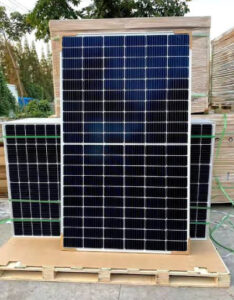
When the sun goes down, solar production stops. Your batteries then become the main power source. Therefore, nighttime energy use deserves careful attention.
Many solar users notice faster battery drain overnight. Sometimes, the battery size is not the problem. Instead, excessive loads may be responsible. Poor system settings can also contribute.
Fortunately, you can reduce battery consumption at night. Small changes can make a noticeable difference. Furthermore, better energy management can improve battery life. It can also provide longer backup hours.
In this guide, we explain how to reduce battery consumption at night. We will cover practical steps for Nigerian homes and businesses. We will also discuss battery settings, appliances, and usage habits.
Why Does Battery Consumption Increase at Night?
Solar panels produce little or no power overnight. Therefore, the battery supplies your connected appliances. Every appliance draws energy from the stored battery power.
However, not every appliance consumes the same amount. Air conditioners usually require substantial energy. Refrigerators also operate throughout the night. Lighting, televisions, fans, and routers add smaller loads.
Consequently, several small loads can become significant. This is especially true over many hours. A battery may appear to drain quickly.
For example, imagine several nighttime appliances running together. Your refrigerator keeps cycling during the night. Your television remains active for hours. Meanwhile, fans and lights continue operating.
The total consumption can become surprisingly high.
What Causes High Nighttime Battery Consumption?
Several factors can increase nighttime battery usage. Identifying these factors is the first step.
1. Running High-Power Appliances
Some appliances consume large amounts of electricity. Air conditioners are common examples.
Other examples include:
- Electric water heaters
- Electric cookers
- Large refrigerators
- Freezers
- Water pumps
- Pressing irons
- Electric kettles
- High-powered entertainment systems
Running these appliances together creates heavy demand. Therefore, battery capacity can drop quickly.
2. Leaving Appliances Running Unnecessarily
Some appliances remain active without needing to. Televisions are common examples.
Similarly, chargers may remain plugged in. Some devices continue drawing standby power.
This consumption seems small individually. However, several devices can add up.
Therefore, switch off unnecessary devices before sleeping.
3. Using Air Conditioning All Night
Air conditioners can significantly affect battery runtime. Their energy demand depends on several factors.
Room size also matters greatly. Temperature settings matter as well. Furthermore, insulation affects cooling requirements.
For example, setting the temperature extremely low increases demand. Consequently, your battery may discharge faster.
A moderate temperature setting can reduce consumption.
4. Oversized or Inefficient Appliances
Older appliances may consume more electricity. Their efficiency can decline over time.
Therefore, check your appliances regularly. Replace inefficient appliances when practical.
Energy-efficient models can reduce nighttime demand. They can also improve overall solar performance.
How to Reduce Battery Consumption at Night
Reducing consumption does not always require new equipment. Better energy habits can produce immediate results.
1. Turn Off Unnecessary Lights
Lighting is an easy place to start.
Before sleeping, check every room. Turn off lights nobody needs.
Additionally, use energy-efficient LED lighting. LEDs typically require less electricity.
Therefore, they are excellent for solar systems.
2. Reduce Television Usage
Televisions can run for several hours nightly. However, watching for shorter periods saves energy.
Avoid leaving the television running unattended. Turn it off completely after use.
Also, avoid unnecessary standby operation.
3. Manage Air Conditioner Usage
Air conditioners require careful management. They can quickly increase nighttime consumption.
Try these practical habits:
- Use moderate temperature settings.
- Keep doors and windows closed.
- Clean filters regularly.
- Avoid cooling empty rooms.
- Use timers when available.
- Improve room insulation.
- Combine cooling with ceiling fans.
Furthermore, service your air conditioner regularly. A poorly maintained unit may consume more energy.
Use Your Solar Energy Strategically
Good energy management starts during daylight. You should use available solar energy wisely.
Run heavy appliances during sunshine hours. This reduces battery dependence later.
For example, operate washing machines during daylight. You can also run water pumps earlier.
Similarly, charge appropriate devices during the day.
This approach preserves battery energy for nighttime.
Shift Heavy Loads Into Daylight Hours
Load shifting is a simple strategy. It means changing when appliances operate.
Instead of running everything at night, prioritize daytime usage.
Consider moving these activities earlier:
- Laundry
- Water pumping
- Ironing
- Food preparation
- Battery charging
- Freezer-intensive tasks
- Heavy workshop equipment
Consequently, more battery capacity remains available overnight.
Check Your Inverter Settings
Your inverter controls important system functions. Therefore, incorrect settings can affect battery usage.
Different systems have different configuration requirements. Deye and Growatt systems may use different settings.
Battery type also matters significantly. Lithium batteries require appropriate charging parameters.
Furthermore, communication settings may affect operation.
If your system uses lithium batteries, check communication compatibility. CAN or RS485 communication may be required.
However, avoid changing technical settings blindly. Incorrect settings can affect performance or safety.
When uncertain, contact a qualified solar professional.
Monitor Your Battery Every Night
Monitoring helps identify unusual consumption.
Many modern systems provide useful information. You can often view battery percentage and load levels.
Some systems also display:
- Current power consumption
- Battery voltage
- Charging status
- Discharge rate
- Solar production
- Appliance demand
Therefore, check the system before sleeping. Check it again in the morning.
This creates a simple comparison.
For example, your battery may reach 90% at bedtime. However, it could reach 35% by morning.
That difference requires investigation.
Identify Your Biggest Nighttime Loads
You cannot reduce consumption effectively without knowing usage. Therefore, identify your major nighttime appliances.
Start with appliances that run continuously.
These may include:
- Refrigerators
- Freezers
- Wi-Fi routers
- CCTV systems
- Security systems
- Fans
- Air conditioners
Then estimate their energy requirements.
For instance, a refrigerator may cycle throughout the night. Meanwhile, an air conditioner could operate continuously.
The air conditioner may therefore become your biggest load.
Protect Your Battery From Excessive Discharge
Reducing battery consumption also protects battery health. Deep and frequent discharge can affect battery performance.
Modern lithium batteries usually handle cycling well. However, correct operating limits still matter.
Your inverter should use suitable battery settings. Battery protection features should remain active.
Furthermore, avoid deliberately draining batteries completely.
Instead, maintain an appropriate reserve.
Your installer can configure suitable battery limits. These settings should match the battery manufacturer’s specifications.
Why Lithium Batteries Help With Nighttime Usage
Lithium batteries offer several advantages. They are especially useful for modern solar systems.
Compared with traditional tubular batteries, lithium batteries typically offer greater usable capacity. They also support efficient charging and discharging.
Furthermore, lithium batteries can provide strong cycle performance. Their built-in Battery Management System adds important protection.
Deye lithium batteries are one option for solar installations. Jeho Ashar Energy also works with lithium battery solutions.
However, battery sizing still matters.
A quality battery cannot overcome excessive loads. Therefore, system design must match actual household consumption.
Can More Batteries Solve The Problem?
Sometimes, additional batteries are necessary. However, adding batteries should not be the first solution.
First, determine why consumption is high.
Ask these questions:
- What appliances run overnight?
- How much power does each use?
- How long do they operate?
- What battery capacity is installed?
- How much energy reaches the battery?
- Is the battery fully charging daily?
- Are inverter settings correct?
The answers reveal the real problem.
For example, a home may have sufficient battery capacity. Yet, excessive air conditioning could drain it quickly.
In that case, reducing consumption may help more.
On the other hand, a growing household may genuinely need more storage.
Improve Your Daytime Solar Charging
Nighttime battery performance starts during the day. Your batteries need enough energy before sunset.
Several factors can reduce daytime charging.
These include:
- Dirty solar panels
- Partial shading
- Poor panel orientation
- Faulty cables
- Weak connections
- Insufficient solar capacity
- Inverter limitations
- Poor system configuration
Therefore, don’t blame the battery immediately.
The problem may actually begin with solar production.
Regular system checks can identify these issues early.
A Simple Nighttime Energy-Saving Routine
Create a simple routine before bedtime.
Step 1: Check Your Inverter
Look at battery percentage. Also check current load.
Step 2: Switch Off Unused Appliances
Turn off televisions and unnecessary lights. Disconnect devices that are not needed.
Step 3: Reduce Heavy Loads
Adjust air conditioners appropriately. Avoid unnecessary high-power appliances.
Step 4: Check Your Battery Reserve
Ensure your battery has enough stored energy. Consider your expected overnight demand.
Step 5: Review Morning Battery Level
Compare morning levels regularly. Look for unusual changes.
Over time, this becomes useful data.
Example: Reducing Nighttime Consumption
Consider a home using several appliances overnight. The home has a lithium battery system. However, the battery reaches a low level before morning.
The homeowner starts monitoring consumption.
They discover that two air conditioners run overnight. Several lights also remain switched on. Additionally, the television stays active for hours.
The homeowner changes these habits.
One air conditioner operates only when needed. The second unit uses a timer. Unnecessary lights are switched off.
As a result, nighttime consumption falls significantly.
The battery now lasts much longer.
This example shows an important principle. Energy management matters as much as battery capacity.
When Should You Upgrade Your Battery?
Sometimes, reducing consumption is insufficient.
You may need additional storage when:
- Nighttime loads remain consistently high.
- Your battery regularly reaches its reserve.
- Your household demand has increased.
- You added more appliances.
- Power outages last longer.
- Your current battery is undersized.
- Daytime solar production is already sufficient.
However, battery upgrades require proper planning.
Your inverter must support the additional capacity. Battery models must also be compatible.
Furthermore, batteries should be installed professionally.
For reliable solar equipment and system solutions, you can explore Jeho Ashar Energy’s website.
Safety Tips For Solar Battery Systems
Battery systems require proper installation and maintenance.
Never modify battery wiring casually. Also, avoid bypassing protection systems.
Keep battery areas properly ventilated when required. Keep flammable materials away from batteries.
Additionally, use correctly rated cables and protection devices.
Only qualified technicians should handle complex electrical work.
If you notice unusual heat, swelling, smoke, or burning smells, shut down the system safely. Then seek professional assistance immediately.
Conclusion
Learning how to reduce battery consumption at night can improve your solar experience. It can also extend backup duration and reduce unnecessary battery cycling.
Start by understanding your nighttime loads. Then reduce unnecessary consumption. Furthermore, shift heavy appliances into daylight hours.
Monitor your inverter and battery regularly. Also, ensure your system receives enough daytime solar energy.
However, remember that every home is different. A professional assessment may reveal hidden energy demands.
If your battery remains insufficient, additional storage may be appropriate. The right solution depends on your actual energy needs.
Final Thought
A longer-lasting battery starts with smarter energy use. Small nighttime changes can create meaningful savings. Therefore, manage your energy before increasing your battery capacity.
Learn more about quality solar solutions at https://www.abujasolar.com