Choosing a solar company is an important decision. The right company can protect your investment. However, the wrong choice can become expensive. Poor advice may lead to unsuitable equipment. Bad installation can also create serious problems But check out Questions to Ask Before Choosing a Solar Company.
Many customers compare companies by price alone. They ask about inverter sizes and batteries. Yet, important questions often remain unanswered. These include product quality, installation experience, and warranties.
A solar system is more than equipment. Its performance depends on proper planning. Every component must work together correctly. Therefore, choosing the right supplier matters.
Before committing your money, ask these seven questions. Their answers can reveal a company’s reliability. They can also help you avoid costly mistakes.
1. Does the Company Assess My Energy Needs First?
This should be your first question. A reliable solar company should understand your needs. It should not recommend equipment immediately. Instead, it should assess your electricity consumption.
Every household has different energy requirements. A small apartment has different needs. A large family home may consume more. Businesses also require different system designs.
For example, consider two households. Both request a 5kW inverter. However, one uses fewer appliances. The other operates several air conditioners. Their battery and panel requirements will differ.
What a Proper Energy Assessment Should Include
The company should ask about:
- Your household or business appliances.
- Each appliance’s power rating.
- Daily operating hours.
- Essential appliances during outages.
- Desired backup duration.
- Heavy appliances and starting loads.
- Possible future energy needs.
This information helps determine suitable equipment. It also prevents unnecessary spending.
Be careful when companies recommend systems without questions. Proper sizing should come before quotations.
2. What Brands and Product Specifications Do You Supply?
The equipment determines much of your system’s performance. Therefore, ask which brands the company supplies. Also, request the exact product specifications.
A company should explain its available options. It should not rely on brand names alone. Different models have different capabilities.
For example, inverter capacities can vary significantly. Battery storage options also differ. Solar panels have different wattages and specifications.
Important Product Details to Check
For solar panels, ask about:
- Rated wattage and efficiency.
- Product and performance warranties.
- Manufacturer specifications.
- Physical dimensions.
- Installation requirements.
For inverters, confirm:
- Rated power capacity.
- Battery voltage requirements.
- Solar input limits.
- Supported battery types.
- Single-phase or three-phase configuration.
For batteries, check:
- Rated and usable capacity.
- Charging and discharging limits.
- Battery management system.
- Inverter communication compatibility.
- Warranty and cycle life.
A reputable supplier should explain these details. This makes product comparisons easier.
3. Do You Provide Professional Installation?
Buying quality equipment is only part of the process. Installation quality also affects performance. Poor workmanship can undermine good equipment.
Incorrect cable sizes may cause overheating. Loose connections can create energy losses. Poor ventilation may affect inverter operation. Inadequate protection can create safety risks.
Imagine buying a premium inverter. However, the installer uses unsuitable cables. The system may experience avoidable problems. You could then pay for corrections.
What Professional Installation Should Include
Ask whether the company provides:
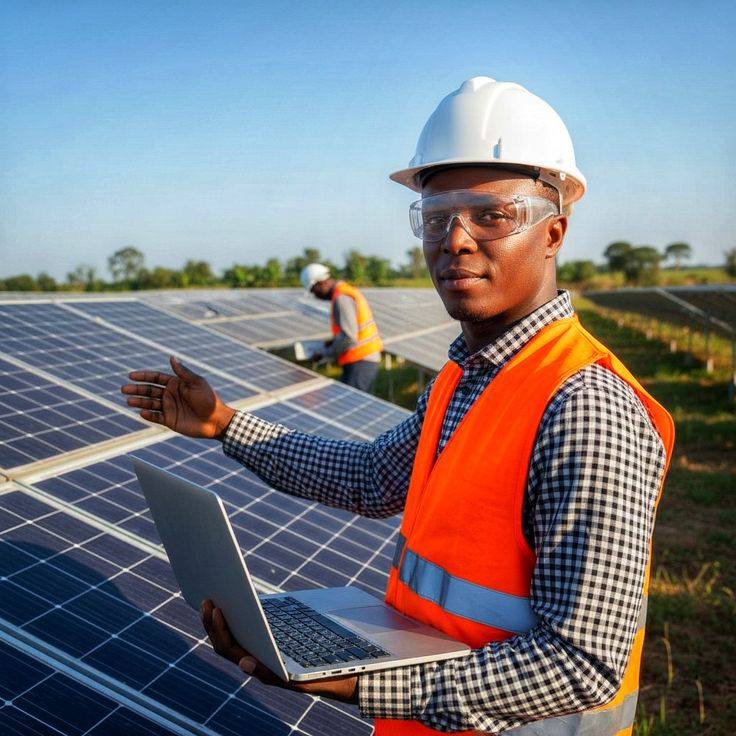
- Qualified installation personnel.
- Proper cable sizing and connections.
- Suitable circuit breakers and protection.
- Correct earthing and surge protection.
- Secure solar panel mounting.
- Safe battery placement.
- Adequate inverter ventilation.
- System testing and commissioning.
Also, ask who handles installation supervision. Confirm that the work follows manufacturer requirements.
Never attempt dangerous electrical work yourself. Always use qualified solar professionals.
4. What Warranty and After-Sales Support Do You Offer?
A solar purchase does not end after installation. Equipment may require attention later. Therefore, warranty and support are important.
Different components have different warranty periods. Panel warranties may differ from inverter warranties. Battery coverage also depends on its manufacturer.
However, a warranty period alone is insufficient. You should understand the actual coverage. Some warranties include specific exclusions.
Questions to Ask About Warranty
- How long is each product covered?
- What faults does the warranty cover?
- Who handles warranty claims?
- Where can faulty products be serviced?
- Are replacement parts available?
- Does installation affect warranty coverage?
Also, ask about technical support. Find out how customers report problems. Understand the process for resolving faults.
A reliable company should explain these conditions clearly. Avoid relying on verbal promises alone. Request written warranty documentation.
5. Can You Explain the Total Cost Clearly?
A solar quotation should be easy to understand. It should show what you are paying for. Avoid accepting unclear package prices.
Some quotations only highlight major equipment. Others may exclude important installation materials. Consequently, the final cost can increase unexpectedly.
For example, a quotation may include panels. However, mounting rails may cost extra. Protection devices and cables may also be excluded.
What Should a Solar Quotation Include?
Request a clear breakdown covering:
- Solar panels and quantities.
- Inverter model and capacity.
- Battery model and capacity.
- Mounting structures and accessories.
- Cables and protection devices.
- Installation labour.
- Transportation and delivery.
- Additional charges, where applicable.
Ask whether the quoted price includes everything. Also, confirm payment terms and delivery arrangements.
Do not automatically choose the cheapest quotation. Compare equipment specifications and installation scope. A lower price may reflect missing components.
6. Can the System Support My Future Energy Needs?
Your electricity consumption may change. You might purchase more appliances. Your family may also grow. Businesses may expand their operations.
Therefore, discuss future expansion before purchasing. Ask whether the proposed system supports upgrades.
For example, you may start with essential appliances. Later, you might want another air conditioner. You may also need additional battery storage.
However, expansion is not always straightforward. The inverter has specific operating limits. Battery compatibility must also be confirmed. Existing wiring may require upgrades.
What to Discuss With the Company
Ask whether you can:
- Add more solar panels later.
- Increase battery storage.
- Upgrade inverter capacity.
- Support additional appliances.
- Expand without replacing major components.
Request a realistic expansion plan. Also, ask about possible upgrade costs.
Planning ahead can reduce future expenses. It also helps avoid unsuitable equipment choices.
7. Can You Show Evidence of Previous Work?
Experience matters when choosing an installer. A company should understand different installation requirements. It should also demonstrate practical knowledge.
Ask about previous residential installations. For businesses, request relevant commercial examples. The projects should resemble your intended application.
For example, installing a small home system differs. A commercial installation may involve heavier loads. It may also require more complex equipment.
What Evidence Should You Request?
Consider asking for:
- Pictures of completed installations.
- Videos of previous projects.
- Customer testimonials.
- References from past clients.
- Examples of similar system sizes.
- Details about installation challenges.
Also, pay attention to how the company responds. Clear explanations demonstrate product knowledge. Honest answers help build confidence.
Be cautious of unsupported claims. A professional company should welcome reasonable questions.
Additional Warning Signs to Watch For
The right questions can reveal useful information. However, certain warning signs deserve attention.
Be careful when a company:
- Promises unlimited electricity without assessment.
- Guarantees unrealistic battery backup hours.
- Refuses to provide product specifications.
- Cannot explain equipment compatibility.
- Offers unclear warranty conditions.
- Avoids discussing installation safety.
- Pressures you into immediate payment.
- Provides quotations without clear details.
These signs do not automatically prove dishonesty. Nevertheless, they deserve further investigation.
Take time to compare your options. Ask for clarification before paying.
Why Choosing the Right Solar Company Matters
A solar system is a long-term investment. It should support your electricity needs reliably. The right company helps make that possible.
A dependable supplier should provide genuine products. It should also explain technical limitations clearly. Furthermore, installation and after-sales support matter.
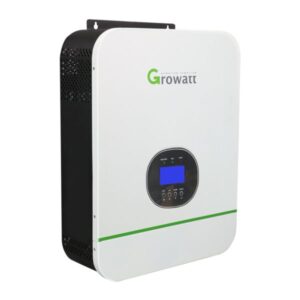
Jeho Ashar Energy supplies solar equipment for homes. Its products also serve businesses and industries. The range includes Jinko solar panels, Deye hybrid inverters, Growatt inverters, and Deye lithium batteries.
The company also supplies essential installation accessories. These include rails, cables, and protection devices.
However, equipment selection must follow proper assessment. Every installation has different requirements. Product compatibility and system sizing remain essential.
For solar equipment and product information, visit https://www.abujasolar.com.
How to Compare Solar Companies Before Making a Decision
Do not base your decision on one conversation. Compare several important factors together. This helps you make a more informed choice.
Use this simple checklist:
- Energy assessment: Does the company calculate your needs?
- Product quality: Are specifications and warranties available?
- Installation: Are qualified professionals responsible?
- After-sales support: Is technical assistance accessible?
- Pricing: Is the quotation detailed and transparent?
- Expansion: Can the system support future upgrades?
- Experience: Can the company show previous projects?
You can use these points when comparing quotations. They help identify differences beyond price.
Conclusion
Choosing a solar company requires careful consideration. The cheapest quotation is not always best. Likewise, popular brands alone cannot guarantee performance.
Ask about energy assessment and product specifications. Confirm installation standards and warranty conditions. Also, understand the total cost and support available.
Most importantly, choose a company that listens. It should understand your needs before recommending equipment. Clear communication helps prevent expensive misunderstandings.
Final Thought
Do not choose a solar company blindly. Ask questions before making your investment. The right answers can save money. They can also protect your peace of mind.
Learn more about quality solar solutions at https://www.abujasolar.com