
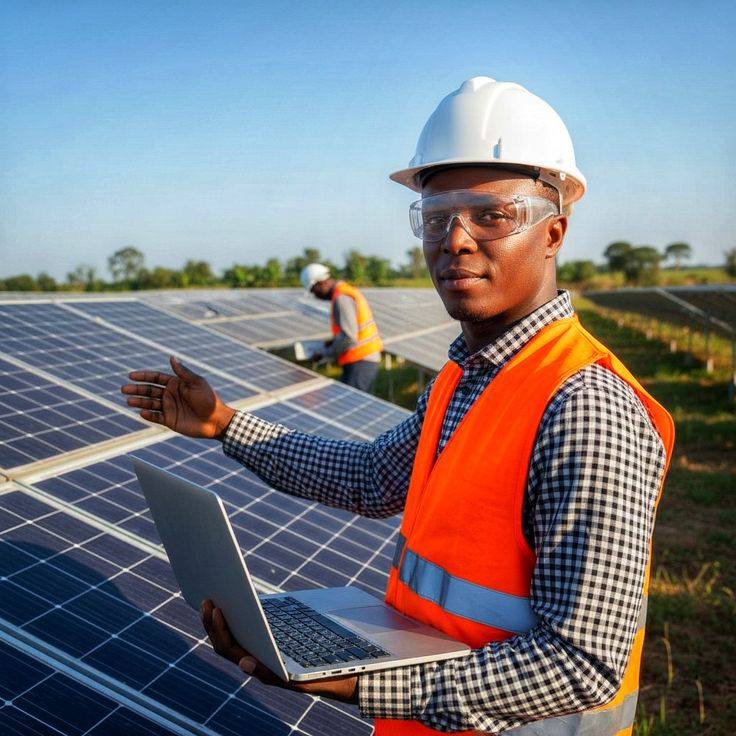
Every power outage comes with a cost. Sometimes, it means buying more generator fuel. Other times, it interrupts important work. For businesses, it can even mean lost sales. Yet, many people continue postponing solar installation and miss the real cost of waiting to go solar.
Some homeowners are waiting for prices to drop. Others are still comparing different systems. Meanwhile, electricity expenses continue adding up. Generator maintenance also becomes another recurring expense.
Waiting may seem like a way to save money. However, delaying solar adoption has financial consequences. The cost is not always immediately obvious. It appears through fuel, repairs, lost productivity, and inconvenience.
Understanding these expenses helps people make better decisions. It also makes solar planning more practical. Let’s examine what postponing solar can really cost.
1. Continuous Spending on Generator Fuel
Generator fuel is one major recurring expense. Every operating hour consumes money. The longer the generator runs, the more fuel it needs.
For households, this expense can become significant. Businesses may spend even more daily. Fuel prices and consumption also vary. Consequently, monthly electricity costs become difficult to control.
Imagine a household spending money on fuel weekly. The family also pays for generator servicing. These expenses continue month after month. Meanwhile, the money could support a long-term energy investment.
Why Generator Fuel Costs Add Up
Consider these common expenses:
- Petrol or diesel purchases.
- Engine oil replacements.
- Fuel transportation.
- Routine servicing.
- Repairs caused by regular operation.
- Unexpected generator breakdowns.
These costs may appear manageable individually. However, they accumulate over time.
2. Generator Maintenance and Repairs
Generators require regular maintenance. Their engines contain moving components. These components experience wear during operation.
Frequent use can increase servicing requirements. Oil changes become necessary more often. Filters and other parts may need replacement. Eventually, certain components may develop faults.
For example, a generator used daily works harder. It may require more frequent attention. An unexpected breakdown can also disrupt activities.
Common Generator Maintenance Expenses
- Engine oil and filter changes.
- Spark plug or injector servicing.
- Battery replacements.
- Cooling system maintenance.
- Fuel system repairs.
- General mechanical repairs.
Waiting to adopt solar does not remove these expenses. It simply allows them to continue.
3. Lost Productivity During Power Outages
Electricity interruptions affect more than comfort. They can reduce household and business productivity. This is particularly important for people working remotely.
A power outage may interrupt online meetings. It can also stop computers and equipment. Businesses may struggle to serve customers. Consequently, opportunities can be lost.
Imagine a small business without reliable backup. A customer arrives during an outage. However, payment systems and equipment cannot operate. The business may lose that sale.
Who Experiences Productivity Losses?
- Remote workers.
- Online business owners.
- Shops and supermarkets.
- Restaurants and food vendors.
- Offices and professional services.
- Workshops and production facilities.
Reliable electricity supports daily operations. Therefore, energy planning is also productivity planning.
4. Rising Electricity Expenses Can Delay Financial Goals
Households have several financial responsibilities. These include rent, education, food, and savings. Recurring energy expenses compete with these priorities.
When generator costs remain high, other plans suffer. Families may reduce savings to buy fuel. Businesses may use operating funds for repairs.
The problem becomes more serious over time. Money spent repeatedly cannot support other investments. However, solar can offer another way forward.
This does not mean solar eliminates every electricity expense. Grid electricity or generator backup may still be necessary. Nevertheless, a properly designed system can reduce dependence on them.
5. Missing the Benefits of Solar Energy
Solar panels generate electricity from sunlight. The energy can power suitable appliances. Excess generation may also help charge batteries.
A properly designed system can provide several benefits:
- Reduced dependence on generators.
- Lower fuel consumption.
- More predictable energy expenses.
- Backup power during outages.
- Support for business continuity.
- Better control over electricity usage.
However, results depend on system design. Household consumption and equipment quality matter. Weather conditions also influence generation.
The longer someone delays, the longer these potential benefits remain unused.
6. Waiting Without a Clear Energy Plan
Some people postpone solar because they feel overwhelmed. They are unsure about inverter sizes. Battery capacity and panel quantities may seem confusing.
As a result, they keep delaying decisions. Meanwhile, electricity problems continue. A better approach is starting with an energy assessment.
You do not need to purchase everything immediately. First, understand your actual electricity needs. Then, identify the most suitable system.
Start With These Simple Steps
- List your household appliances.
- Record their power ratings.
- Estimate daily operating hours.
- Identify essential appliances.
- Determine your backup requirements.
- Request a professional system assessment.
- Compare suitable equipment and quotations.
This process makes solar planning easier. It also prevents unnecessary purchases.
7. Delaying Solar Can Affect Business Growth
Businesses depend on consistent electricity. Equipment, computers, lighting, and cooling systems need power. Production activities may also depend on stable supply.
When electricity becomes unreliable, operations suffer. Staff may spend time managing power interruptions. Customers may experience delays. In addition, production schedules can become unpredictable.
For example, a cold-storage business needs continuous power. An outage can threaten stored products. A retail shop may also lose sales. These losses can exceed ordinary fuel expenses.
Why Businesses Should Consider Solar
Solar can support important business activities. It may help power:
- Office computers and networking equipment.
- Lighting and security systems.
- Refrigeration and cold storage.
- Selected production equipment.
- Retail and payment systems.
- Essential communication equipment.
However, commercial systems require careful sizing. Heavy machinery needs proper technical assessment. Battery storage must also match operating requirements.
8. Solar Equipment Prices and Installation Costs Can Change
Another reason people delay involves pricing. They hope equipment will become cheaper. Sometimes, prices may decrease. However, they can also increase.
Solar equipment costs may respond to exchange rates. Shipping, supply, and market conditions matter too. Import costs can also influence local prices.
Therefore, waiting does not guarantee savings. A future purchase may cost less. It could also become more expensive.
The better decision is comparing current options. Focus on affordability and system suitability. Avoid rushing because of temporary sales pressure.
9. Waiting Can Encourage Poor Emergency Purchases
Some people only consider solar after repeated problems. A generator fails unexpectedly. Fuel expenses become difficult to manage. A business experiences serious power interruptions.
At that point, the purchase becomes urgent. Urgency can lead to rushed decisions. Buyers may choose unsuitable equipment. They may also overlook important specifications.
Planning ahead creates more room for comparison. You can review warranties and compatibility. You can also choose qualified installers.
A planned purchase is often more informed. It gives you time to understand the investment.
10. Solar Does Not Have to Be an All-at-Once Investment
One common misconception concerns installation costs. Some people believe they must power everything immediately. However, systems can be designed around priorities.
A homeowner may begin with essential appliances. These might include lights, fans, televisions, and refrigeration. Additional capacity can be considered later.
Nevertheless, expansion needs proper planning. The inverter must support the intended configuration. Battery and panel compatibility must also be checked.
How to Prioritise Your Solar Needs
Start by separating appliances into categories:
Essential loads
- Lighting.
- Fans.
- Television.
- Internet equipment.
- Selected refrigerators.
Higher-energy loads
- Air conditioners.
- Water pumps.
- Electric cookers.
- Washing machines.
- Pressing irons.
Your final system should reflect actual usage. A professional assessment can determine suitable capacity.
11. Understand the Long-Term Value of Solar
Solar should be evaluated as an investment. The initial purchase is only one consideration. Operating expenses also matter.
Compare your current electricity costs. Include generator fuel and servicing. Consider grid electricity bills where applicable. Then, compare these expenses against a suitable solar proposal.
Your comparison should include:
- Equipment purchase price.
- Installation and protection costs.
- Expected maintenance.
- Battery replacement considerations.
- Potential generator fuel savings.
- Expected system lifespan.
- Warranty and technical support.
Avoid assuming solar will pay for itself immediately. Payback depends on usage and system costs. It also depends on future energy prices.
A realistic comparison helps set expectations.
12. Choosing the Right Solar Equipment Matters
The benefits of solar depend on suitable equipment. Panels, inverters, and batteries perform different functions. They must also work together correctly.
Jeho Ashar Energy supplies solar products for homes. Its range also serves businesses and industries. Available products include Jinko solar panels, Deye hybrid inverters, Growatt inverters, and Deye lithium batteries.
The company also supplies essential installation accessories. These include rails, cables, and protection devices.
However, not every system suits every customer. Equipment selection should follow energy requirements. Installation conditions and future needs matter too.
Before purchasing, confirm product specifications. Also, work with qualified installation professionals. Visit https://www.abujasolar.com to explore available solar solutions.
How to Know If It Is Time to Go Solar
You may be ready to consider solar. Certain signs make the decision worth exploring.
For example:
- Your generator runs almost every day.
- Fuel expenses keep increasing.
- Power outages interrupt your work.
- Your business needs reliable electricity.
- Generator repairs are becoming frequent.
- You need dependable backup power.
- Your current electricity arrangement feels expensive.
These signs do not automatically mean you need a large system. They indicate that an energy assessment may help.
Start by understanding your consumption. Then, compare suitable solar options.
Conclusion
Waiting to adopt solar has hidden costs. Generator fuel and maintenance continue accumulating. Power interruptions can also affect productivity. Businesses may lose sales and opportunities.
However, solar requires careful planning. Buying unsuitable equipment can create new expenses. Therefore, assess your energy needs first. Compare equipment, warranties, and installation options.
The goal is not simply buying solar. It is choosing a system that works. A suitable installation can improve energy reliability. It can also reduce dependence on generators.
Final Thought
Waiting may feel like saving money. However, recurring energy expenses never stop. Start planning today and understand your options. The right system begins with informed decisions.
Learn more about quality solar solutions at https://www.abujasolar.com