Solar systems are built to last. However, like any electrical system, they need attention from time to time. Many minor issues can be solved through basic checks. On the other hand, some problems require professional expertise.
Knowing when to call a solar technician can save time, money, and frustration. More importantly, it can prevent small faults from becoming major failures.
In this guide, we will explain the signs that indicate it’s time to seek professional help and why timely servicing is essential for the performance and safety of your solar system.
Why Professional Solar Maintenance Matters
A solar system consists of several interconnected components. These include solar panels, batteries, inverters, charge controllers, cables, and protection devices.
When one component develops a fault, the entire system can be affected. Therefore, regular inspections and professional troubleshooting help maintain efficiency and reliability.
Furthermore, qualified technicians have the tools and knowledge needed to diagnose problems accurately.
Benefits of professional servicing include:
- Improved system performance
- Longer equipment lifespan
- Better battery health
- Reduced risk of electrical hazards
- Faster fault detection
- Lower long-term repair costs
As a result, investing in professional maintenance often saves money over time.
Signs You Should Call a Solar Technician
Some warning signs should never be ignored. If you notice any of the following issues, professional assistance may be necessary.
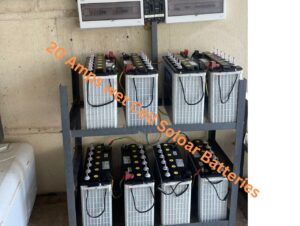
1. Your Batteries Are Not Charging Properly
One of the most common solar complaints involves poor battery charging.
You may notice:
- Batteries charging slowly
- Batteries not reaching full charge
- Rapid battery discharge
- Frequent low-battery warnings
Several issues can cause this problem.
For example:
- Faulty solar panels
- Damaged charge controllers
- Loose wiring
- Battery degradation
A technician can identify the exact cause and recommend the correct solution.
2. Solar Output Has Dropped Significantly
Every solar system experiences slight performance variations. However, a sudden drop in power generation is usually a warning sign.
Possible causes include:
- Dirty solar panels
- Shading issues
- Damaged panels
- Wiring faults
- Inverter problems
Consequently, lower energy production can affect your daily electricity supply.
If cleaning the panels does not solve the issue, professional testing may be required.
You can also learn more about solar performance solutions at Abuja Solar Blog.
3. The Inverter Displays Error Codes
Modern inverters provide diagnostic information through error messages.
Common warnings may indicate:
- Overload conditions
- Battery communication faults
- Grid issues
- High temperatures
- Internal hardware failures
While some errors are temporary, repeated warnings should be inspected by a technician.
In particular, recurring inverter faults can eventually damage connected equipment.
4. Strange Sounds or Smells
Solar systems normally operate quietly.
Therefore, unusual sounds should never be ignored.
Examples include:
- Buzzing noises
- Clicking sounds
- Crackling sounds
Similarly, burning smells may indicate:
- Overheated cables
- Faulty connections
- Damaged components
These situations can present safety risks.
Immediately shut down the affected equipment and contact a qualified technician.
5. Frequent System Shutdowns
Does your inverter keep turning off?
Does your system restart repeatedly?
These symptoms often indicate deeper issues such as:
- Battery faults
- Overload conditions
- Voltage instability
- Inverter failures
Although occasional shutdowns may happen, frequent interruptions require professional diagnosis.
As a result, calling a technician early can prevent further damage.
6. Physical Damage to Solar Components
Visible damage should always be inspected.
Look for:
- Cracked panels
- Broken glass
- Burn marks
- Corrosion
- Water damage
- Loose mounting structures
For instance, severe storms may damage panels or mounting frames.
Meanwhile, prolonged moisture exposure may affect electrical connections.
A technician can assess the extent of the damage and recommend repairs.
7. Your Batteries Are Swollen
Battery swelling is a serious warning sign.
This issue may result from:
- Overcharging
- Excessive heat
- Internal battery failure
Swollen batteries should never be ignored.
Furthermore, attempting DIY repairs can be dangerous.
Professional evaluation is strongly recommended.
8. Sudden Increase in Generator Usage
Many Nigerian homes use solar systems alongside generators.
If your generator is running more frequently than before, your solar system may not be performing properly.
Possible reasons include:
- Reduced solar production
- Aging batteries
- Inverter inefficiency
- Wiring faults
Therefore, increased generator dependence often signals an underlying solar issue.
9. Solar Panels Appear Dirty Despite Cleaning
Dust accumulation is common. However, some stains are more serious.
Examples include:
- Bird droppings
- Tree sap
- Hard water deposits
- Surface damage
If power output remains low after cleaning, professional inspection may be necessary.
A technician can determine whether the issue is contamination or panel degradation.
10. Your System Is More Than Five Years Old
Even well-installed systems benefit from periodic inspections.
As solar equipment ages, components naturally wear out.
For example:
- Batteries lose capacity
- Connectors loosen
- Protective devices deteriorate
- Firmware may require updates
Therefore, systems older than five years should receive routine professional evaluations.
Preventive maintenance often costs far less than emergency repairs.
Situations Where You Should Not Attempt DIY Repairs
Many homeowners enjoy handling minor maintenance tasks. However, certain jobs should be left to professionals.
Avoid DIY repairs when dealing with:
- High-voltage wiring
- Battery connections
- Inverter disassembly
- Electrical protection devices
- Roof-mounted electrical work
In contrast, safe homeowner tasks include:
- Cleaning panels
- Monitoring performance
- Removing light debris
- Checking for obvious damage
Above all, safety should remain the top priority.
How Often Should a Technician Inspect Your Solar System?
Inspection schedules vary by system size and usage.
A general guideline is:
Every Month
- Check system performance
- Inspect for dirt and debris
- Review inverter indicators
Every Six Months
- Conduct a basic system inspection
- Check mounting structures
- Examine cables
Annually
- Schedule a professional solar inspection
- Test batteries
- Verify electrical connections
- Evaluate overall system health
Consequently, regular servicing helps maximize efficiency and reliability.
Choosing the Right Solar Technician
Not all technicians offer the same level of expertise.
Look for professionals who:
- Have solar installation experience
- Understand inverter diagnostics
- Provide maintenance support
- Use proper testing equipment
- Offer warranty-backed services
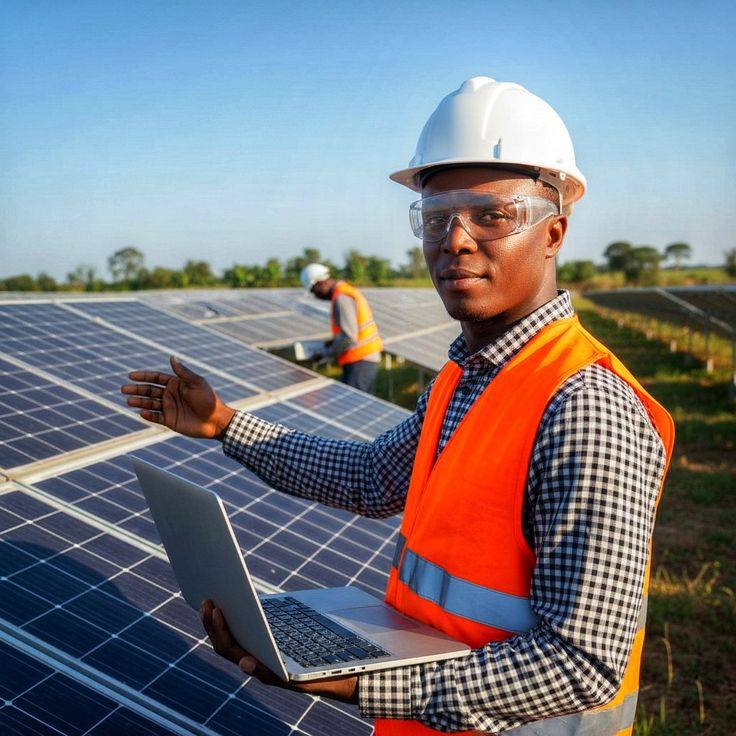
A reputable solar technician can identify problems quickly and provide long-term solutions.
For reliable solar support, system upgrades, and professional maintenance services, visit Jeho Ashar Energy’s Solar Solutions Portal.
Conclusion
Knowing when to call a solar technician can protect your investment and keep your system running efficiently. Warning signs such as charging issues, inverter errors, reduced solar output, battery swelling, unusual noises, and frequent shutdowns should never be ignored.
Furthermore, regular professional inspections help prevent costly breakdowns and extend equipment lifespan. While basic maintenance can be performed by homeowners, technical repairs should always be handled by qualified experts.
Final Thought
Your solar system works hard every day. Give it the care it deserves. A timely service call today can prevent major repairs tomorrow and ensure years of reliable clean energy.