
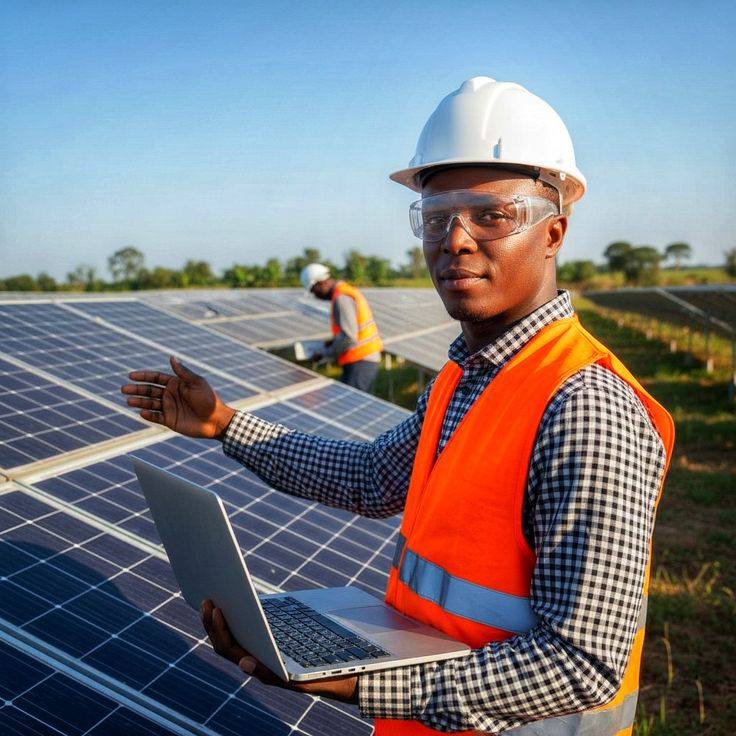
Why Energy Independence Is Becoming Essential, Reliable electricity is no longer optional. Homes, businesses, and industries depend on it daily. However, many Nigerians still face unstable power supplies. Frequent outages disrupt routines and business operations. They also increase household and operating expenses.
As electricity costs continue changing, people are reconsidering their options. Many now want greater control over their energy. Solar power offers a practical way forward. It helps households and businesses generate electricity independently. Furthermore, battery storage provides power when sunlight disappears.
This shift explains why energy independence is becoming essential. It is about more than avoiding blackouts. It means gaining greater control over electricity costs. It also means building a more reliable energy future.
What Does Energy Independence Mean?
Energy independence means producing some or all electricity independently. It reduces dependence on external power sources. These sources may include public electricity grids. They may also include petrol or diesel generators.
For Nigerian households, solar energy is one solution. Solar panels convert sunlight into usable electricity. An inverter then supplies power to appliances. Batteries store excess energy for later use.
However, energy independence does not always mean disconnecting completely. Many users still maintain their grid connection. Instead, they reduce how much they depend on it. This approach provides flexibility during power interruptions.
Why Is Energy Independence Becoming Important?
Several factors are driving this growing interest. Electricity challenges affect homes and businesses differently. Nevertheless, the need for reliable power remains widespread.
1. Unreliable Public Electricity Supply
Power interruptions remain a major challenge. Homes often experience unexpected blackouts. Businesses may also lose productive working hours.
For example, a small supermarket needs constant electricity. Its refrigerators must keep products properly chilled. A prolonged outage can cause significant losses. Similarly, offices need power for computers and communication.
A dependable solar system helps reduce these disruptions. It provides another source of electricity. Consequently, users can maintain important daily activities.
2. Rising Electricity and Generator Costs
Electricity expenses can place pressure on budgets. Generator ownership also comes with recurring costs. These include fuel, servicing, and replacement parts.
Furthermore, fuel prices can change unexpectedly. This makes monthly energy expenses harder to predict. Solar power can reduce these recurring expenses. However, the savings depend on system design and usage.
A properly sized system can cover important loads. It can also reduce generator operating hours. Over time, this may improve energy affordability.
3. Greater Control Over Household Energy
Energy independence gives households more choices. Users can decide when to store electricity. They can also manage how stored power is used.
For example, families can charge batteries during daylight. They can then use stored energy at night. This reduces dependence on public electricity.
In addition, users can prioritize essential appliances. These may include lights, fans, refrigerators, and routers. Such planning helps maximize available battery capacity.
4. Business Continuity and Productivity
Businesses depend on consistent electricity. Restaurants need refrigeration and food preparation equipment. Offices require computers and internet connections. Manufacturing facilities need electricity for production.
An unexpected outage can interrupt operations. It may also affect customer satisfaction. Therefore, reliable backup power is important.
Solar systems can support essential business operations. They can reduce downtime during grid interruptions. For larger facilities, commercial solar solutions may offer greater flexibility.
How Solar Energy Supports Energy Independence
Solar power provides a practical route towards greater independence. It uses sunlight to generate electricity. Nigeria receives considerable sunshine throughout the year. This creates opportunities for residential and commercial solar installations.
However, a successful system needs suitable components. Each component performs a specific function.
1. Solar Panels
Solar panels capture sunlight and generate electricity. Their output depends on sunlight and installation conditions. Panel capacity also affects overall energy production.
For example, Jinko solar panels offer different power ratings. Users can select suitable options for their systems. However, panel selection should consider available roof space. It should also consider daily energy requirements.
2. Hybrid Inverters
An inverter converts solar electricity into usable power. Hybrid inverters can work with multiple energy sources. Depending on the model, these include solar, batteries, and grid electricity.
For instance, Deye and Growatt offer hybrid inverter options. They serve different household and business requirements. However, users must select the correct capacity. The inverter must also match the battery configuration.
3. Lithium Battery Storage
Solar panels generate electricity during daylight. However, households need power after sunset. Batteries help bridge this gap.
Lithium batteries store energy for later use. They can support essential appliances during outages. Their capacity determines how much energy is available.
For example, a 5kWh battery stores less energy. A larger battery can support greater energy needs. However, actual backup time depends on appliance consumption. It also depends on usable battery capacity.
4. Protection Devices and Installation Accessories
Every solar installation needs suitable protection. These devices help protect system components. They also support safer operation.
Important installation materials include:
- Correctly sized solar cables.
- Suitable circuit breakers and protection devices.
- Proper mounting rails and accessories.
- Appropriate connectors and isolators.
- Effective earthing and surge protection.
Quality accessories matter just as much. Poor connections can reduce system performance. Therefore, installation should follow professional standards.
Major Benefits of Energy Independence
Greater energy control offers several practical benefits. These benefits extend beyond avoiding blackouts.
Reduced Dependence on Fuel Generators
Solar power can reduce generator usage. This means fewer fuel purchases. It can also reduce generator servicing needs.
Furthermore, solar systems operate without burning fuel. This reduces noise and local exhaust emissions. However, generators may still serve as backup options.
Better Management of Energy Expenses
Solar systems require an initial investment. However, they can reduce recurring electricity expenses. The actual savings depend on several factors.
These include system size, usage patterns, and maintenance. Electricity tariffs and fuel prices also matter. Therefore, proper planning remains important.
Improved Comfort and Convenience
Reliable electricity makes daily life easier. Families can maintain lighting and refrigeration. They can also keep communication devices charged.
Additionally, businesses can serve customers more consistently. Employees can complete tasks with fewer interruptions. This improves everyday convenience.
Greater Protection Against Power Interruptions
Battery storage provides another layer of protection. It supplies electricity when other sources fail. This is particularly useful for essential appliances.
For example, a home office needs internet access. A solar system can keep the router running. It can also power computers and lighting. Consequently, work can continue during outages.
Support for Cleaner Energy Use
Solar power generates electricity without direct fuel combustion. It can reduce dependence on fossil-fuel generators. This may lower emissions associated with electricity use.
Furthermore, solar energy supports cleaner power generation. However, responsible battery disposal remains important. Users should choose quality products and proper recycling channels.
Practical Steps Towards Energy Independence
Energy independence requires careful planning. Buying equipment without proper assessment can cause problems. Therefore, follow these important steps.
Step 1: Calculate Your Energy Requirements
Start by identifying your appliances. Record their power ratings and daily usage. Consider how many hours each appliance operates.
Pay attention to high-consumption equipment. These include air conditioners and water heaters. Pumps and refrigerators also require careful consideration.
Your calculations help determine system capacity. They also prevent unnecessary equipment purchases.
Step 2: Identify Your Essential Appliances
Not every appliance needs backup power. Separate essential loads from non-essential ones.
For example, essential appliances may include:
- Lighting and ceiling fans.
- Refrigerators and freezers.
- Internet routers and computers.
- Security systems and essential equipment.
This helps establish a realistic backup requirement. It also supports better battery planning.
Step 3: Choose Compatible Solar Components
Your panels, inverter, and batteries must work together. Their electrical specifications must match. Incorrect combinations can affect performance and safety.
Furthermore, consider your future energy needs. You may want to add appliances later. Choose equipment that supports suitable expansion.
Step 4: Work With Qualified Solar Professionals
Professional assessment helps prevent costly mistakes. Installers should inspect your property and wiring. They should also assess your energy requirements.
Avoid choosing equipment based only on price. Cheap components may create problems later. Instead, prioritize quality, compatibility, and proper installation.
Step 5: Monitor and Maintain Your System
Regular monitoring helps identify performance changes. Check your inverter display or monitoring application. Pay attention to unusual warnings and readings.
Also, keep solar panels reasonably clean. Inspect visible cables and connections. Arrange professional servicing when necessary.
Common Mistakes to Avoid
Energy independence requires more than purchasing solar equipment. Poor decisions can reduce system performance.
Avoid these common mistakes:
- Buying an inverter without calculating loads.
- Choosing insufficient battery storage.
- Adding panels without checking inverter capacity.
- Using incompatible batteries and inverters.
- Installing undersized or poor-quality cables.
- Ignoring ventilation and battery safety requirements.
- Overlooking routine inspection and maintenance.
Additionally, avoid unrealistic backup expectations. A small system cannot power everything. Match your expectations with actual system capacity.
Is Complete Energy Independence Necessary?
Complete independence may not suit everyone. Some homes require larger systems. Others may prefer a hybrid arrangement.
A grid-connected solar system can still provide benefits. It reduces reliance on public electricity. Battery storage can also provide backup. Meanwhile, the grid remains available when needed.
For businesses, the best arrangement depends on operations. Critical equipment may require dedicated backup capacity. Larger facilities may need carefully designed systems.
The important thing is having reliable choices. Energy independence can develop gradually. Users can start with essential appliances. They can expand as their needs change.
How Jeho Ashar Energy Can Support Your Transition
Choosing suitable solar equipment is an important decision. Jeho Ashar Energy supplies solar products for different needs. These include residential, commercial, and industrial applications.
Available products include Jinko solar panels. The company also supplies Deye and Growatt inverters. Lithium battery options support different storage requirements. Rails, cables, and protection devices are available too.
However, equipment selection should begin with proper assessment. Your energy needs should guide every purchase. The right combination supports reliable performance.
Visit https://www.abujasolar.com to explore solar solutions. You can also contact Jeho Ashar Energy. Get guidance before choosing your system.
Conclusion
Reliable electricity supports modern life and business. However, depending on one source creates challenges. Power interruptions and rising expenses affect many Nigerians.
Energy independence offers a practical alternative. Solar panels generate electricity from sunlight. Inverters convert power for everyday use. Batteries provide stored energy when needed.
However, successful installations require proper planning. Choose compatible equipment and suitable capacities. Work with qualified installation professionals. Also, maintain your system regularly.
Taking these steps improves energy reliability. It also provides greater control over electricity usage. Most importantly, it prepares households and businesses for changing energy needs.
Final Thought
Energy independence begins with informed decisions. Start by understanding your daily energy needs. Then explore a suitable solar solution. Greater control over your power starts today.
Learn more about quality solar solutions at https://www.abujasolar.com