Investing in solar energy is a long-term decision. Therefore, choosing the right solar panels is essential. While traditional solar panels remain popular, bifacial solar panels are becoming the preferred choice for many homeowners and businesses. However, one question often comes up: Are bifacial panels worth the extra cost?
The answer depends on your energy needs, installation location, and long-term goals. Although bifacial panels usually cost more than standard panels, they can also produce more electricity over their lifetime. In this guide, we’ll explore their benefits, costs, performance, and whether the extra investment makes financial sense.
What Are Bifacial Solar Panels?
Before deciding if bifacial panels are worth the extra cost, it helps to understand how they work.
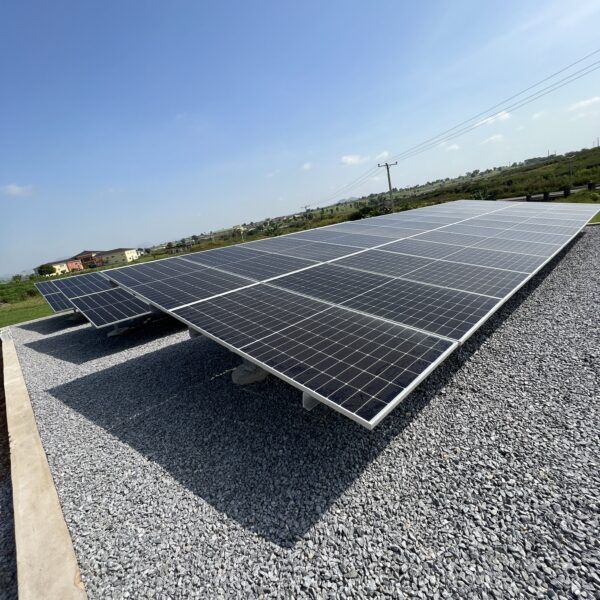
Unlike conventional solar panels, bifacial panels generate electricity from both the front and the back. The front captures direct sunlight, while the rear absorbs sunlight reflected from the ground or nearby surfaces.
As a result, they produce more energy than traditional monofacial panels under the right conditions.
Why Are Bifacial Panels More Expensive?
The higher price is mainly due to their advanced design and manufacturing process.
Many premium bifacial panels feature:
- Dual-glass construction
- N-Type solar cells
- Higher-quality materials
- Advanced manufacturing technology
- Better durability
- Longer performance warranties
Although the initial investment is higher, these features often provide greater long-term value.
How Much More Energy Can They Produce?
One of the biggest advantages of bifacial panels is increased energy production.
Depending on installation conditions, they can generate additional electricity by capturing reflected sunlight from the rear side.
The extra energy depends on factors such as:
- Ground reflectivity
- Panel height
- Installation angle
- Weather conditions
- System design
Consequently, well-installed bifacial panels often outperform traditional panels over many years.
Benefits of Bifacial Solar Panels
When asking “Are bifacial panels worth the extra cost?”, it’s important to consider the advantages they provide.
1. Higher Energy Output
This is their biggest benefit.
Since both sides generate electricity, total power production increases without adding more panels.
2. Better Return on Investment
Higher electricity production means greater savings over time.
Although the purchase price is higher, the additional energy can improve your overall return on investment.
3. Excellent Durability
Most bifacial panels use tempered glass on both sides.
This provides protection against:
- Moisture
- Dust
- Corrosion
- High temperatures
- Mechanical stress
Consequently, they remain reliable in challenging environments.
4. Longer Service Life
Premium bifacial panels are designed for decades of operation.
Many models experience slower power degradation compared to conventional panels.
This means they continue generating strong output year after year.
5. Better Performance in Bright Conditions
Bifacial panels perform especially well where sunlight reflects from surrounding surfaces.
Examples include:
- Concrete
- White roofing
- Gravel
- Sand
- Light-colored paving
These reflective surfaces increase rear-side energy production.
When Are Bifacial Panels Worth the Extra Cost?
Bifacial technology delivers the greatest value in certain situations.
They are ideal for:
- Commercial buildings
- Warehouses
- Industrial facilities
- Ground-mounted systems
- Solar farms
- Large residential properties
These installations usually provide enough space to maximize reflected sunlight.
When Standard Panels May Be Enough
Bifacial panels are excellent, but they are not always necessary.
Traditional monofacial panels may be sufficient when:
- Roof space is limited.
- Budget is the primary concern.
- The roof has minimal reflected light.
- Installation height is restricted.
A professional assessment helps determine the most suitable option.
Cost vs Long-Term Savings
Many buyers focus only on the purchase price.
However, long-term savings matter far more.
For example, imagine two businesses installing solar systems.
Business A chooses standard panels.
Business B chooses premium bifacial panels.
Initially, Business B spends more. However, over the next twenty years, the additional electricity generated reduces energy bills even further. Consequently, the higher upfront investment often pays for itself.
Bifacial vs Monofacial Panels
Here’s a simple comparison.
Bifacial Solar Panels
Advantages:
- Generate power from both sides
- Higher energy production
- Better long-term value
- Excellent durability
- Lower degradation
- Premium technology
Monofacial Solar Panels
Advantages:
- Lower upfront cost
- Simpler installation
- Good residential performance
- Widely available
Both technologies are reliable. The best choice depends on your installation conditions and energy goals.
Factors That Affect Their Value
Several conditions determine whether bifacial panels justify the additional cost.
Installation Height
Higher mounting allows more reflected sunlight to reach the rear side.
Ground Reflectivity
Bright surfaces improve energy generation.
Examples include:
- White concrete
- Gravel
- Sand
- Reflective roofing
Professional Installation
Proper system design maximizes bifacial performance.
Incorrect installation reduces the additional energy gain.
Energy Consumption
Customers with higher electricity usage usually benefit more from increased solar production.
Practical Example
Consider two factories with similar electricity demands.
The first factory installs standard solar panels.
The second installs Jinko bifacial solar panels above a light-colored concrete yard.
Both receive the same amount of sunlight. However, the bifacial system also captures reflected light underneath the panels. As a result, it produces more electricity throughout the year without increasing the number of panels.
Over time, those additional energy gains help reduce electricity costs even further.
Tips Before Buying Bifacial Panels
To get the best value from your investment:
- Choose genuine premium panels.
- Hire experienced installers.
- Use quality mounting structures.
- Avoid shaded installation areas.
- Match the inverter correctly.
- Plan for future expansion.
- Keep panels clean.
- Schedule routine inspections.
These simple practices help maximize system performance for many years.
Why Choose Jinko Bifacial Solar Panels?
Jinko Solar is one of the world’s leading manufacturers of premium bifacial solar panels.
Many Jinko models include advanced technologies such as:
- N-Type Mono Technology
- HOT 3.0 Technology
- SMBB Technology
- Anti-PID Protection
- Excellent temperature performance
- Dual-glass construction
- High mechanical strength
These innovations deliver higher efficiency, improved reliability, and excellent long-term energy production.
Why Choose Jeho Ashar Energy?
Purchasing premium solar panels is only one part of building an efficient solar system. Professional system design and installation are equally important.
Jeho Ashar Energy supplies genuine Jinko bifacial solar panels, Deye hybrid inverters, lithium batteries, mounting structures, cables, and protection devices for residential, commercial, and industrial projects. Every solution is carefully designed to maximize energy production while delivering long-term reliability.
In addition, the experienced team provides professional load assessment, system design, installation, and after-sales support. Whether you are planning a home installation or a large commercial project, you can explore trusted solar products and services at https://www.abujasolar.com.
Conclusion
So, are bifacial panels worth the extra cost? In many cases, the answer is yes. Although they require a higher initial investment, they also generate more electricity, last for decades, and provide excellent long-term value. Their ability to capture sunlight from both sides makes them one of the most efficient solar technologies available today.
However, every project is different. The best decision depends on your energy usage, available space, installation conditions, and budget. A professional solar assessment will help determine whether bifacial panels are the right investment for your property.
Final Thought
Looking beyond the purchase price often leads to better long-term savings. Investing in premium bifacial solar panels today can deliver higher energy production, lower electricity costs, and dependable performance for many years.
Learn more about quality solar solutions at https://www.abujasolar.com
