If your solar panels are producing less electricity than usual, dust could be part of the problem. How Abuja dust affects solar efficiency is an important concern for homeowners and businesses relying on solar power. Dust from dry weather, construction activities, and unpaved roads can settle on panel surfaces and reduce the sunlight reaching the solar cells.
Abuja receives strong sunlight throughout much of the year. However, sunshine alone does not guarantee maximum solar production. When dust builds up on solar panels, it can interfere with electricity generation, affect battery charging, and increase the need for regular maintenance.
The good news is that dusty conditions do not make solar power unreliable by themselves. With proper cleaning, monitoring, and system maintenance, you can reduce dust-related losses and protect your investment. Understanding the causes helps you choose the right maintenance routine for your installation.
Why Is Dust a Problem for Solar Panels in Abuja?
Solar panels generate electricity by converting sunlight into electrical energy. For this process to work effectively, sunlight must reach the photovoltaic cells beneath the panel’s protective surface.
When dust accumulates, it blocks or scatters some of the incoming sunlight. Consequently, the panels may generate less electricity than they would when clean under comparable conditions.
Abuja’s environment can make this issue more noticeable in certain locations. During dry periods, dust from roads, construction sites, open land, and surrounding activities can settle on exposed surfaces. Homes near busy roads or building projects may experience faster dust accumulation than properties in cleaner surroundings.
Common Sources of Solar Panel Dust
Several everyday activities contribute to dusty solar installations, including:
- Unpaved roads: Passing vehicles can stir up dust that travels towards nearby buildings.
- Construction activities: Cement dust, soil, and other fine particles can settle on panels.
- Harmattan winds: Airborne dust can accumulate during dry, hazy weather.
- Open land: Loose soil around buildings can become airborne during windy conditions.
- Nearby industrial activities: Certain operations can release dust and particles into the surrounding environment.
The amount of dust deposited depends on the location, weather, roof height, and nearby activities. Therefore, two solar systems in Abuja may require different cleaning schedules.
How Dust Reduces Solar Efficiency
Dust does not affect every solar installation equally. The impact depends on how much dirt accumulates, the type of particles involved, rainfall, and the panel’s position.
1. Dust Blocks Incoming Sunlight
A layer of dust can prevent some sunlight from reaching the solar cells. As the accumulation increases, the panel may produce less electricity.
For example, a home with dusty panels might notice lower solar generation during the afternoon. However, cloudy weather, shading, or equipment problems can cause similar symptoms.
This is why checking panel cleanliness alongside inverter monitoring data is useful. It helps you avoid assuming that every drop in production comes from a faulty component.
2. Uneven Dust Can Affect Panel Output
Dust rarely settles perfectly evenly across a panel. Wind patterns, panel tilt, and nearby obstructions can cause certain areas to collect more dirt.
In some circumstances, uneven deposits can create localized shading. Depending on the panel design and electrical configuration, this may affect output beyond the area directly covered by dust.
Modern solar systems may include bypass diodes and other features that reduce some shading effects. Nevertheless, keeping panels clean remains an important part of maintaining good performance.
3. Dust Can Reduce Daily Energy Production
Solar panels produce electricity throughout the daylight period, depending on available sunlight. When dust reduces their output, the total energy generated over the day may also decrease.
This matters because homes need enough energy to power appliances and recharge their batteries. If the panels generate less electricity, the system may struggle to meet both demands.
For instance, a household using a refrigerator, television, fans, and an air conditioner may notice its battery charging more slowly. The problem can become more obvious when dusty conditions coincide with cloudy weather or unusually high energy consumption.
Signs That Dust May Be Affecting Your Solar System
Dust-related losses are not always easy to identify by looking at the panels from the ground. However, several warning signs can help you decide when to investigate.
Look out for these changes:
- Solar production is consistently lower than usual.
- Batteries take longer to reach full charge.
- The system relies more frequently on grid or generator power.
- Visible dust covers the panel surfaces.
- Solar output improves after safe, thorough cleaning.
These signs are clues rather than proof. Changes in sunlight, appliance usage, battery condition, inverter settings, and electrical faults can also affect performance.
For a more reliable assessment, compare daily solar generation under similar weather conditions. If production remains low after cleaning, arrange a professional inspection.
How Often Should You Clean Solar Panels in Abuja?
There is no universal cleaning schedule for every property. A home beside a dusty road may need more frequent attention than a building in a less dusty area.
Instead of cleaning according to a fixed calendar alone, combine regular visual inspections with system monitoring. If dust accumulates quickly or energy production begins declining, you may need to clean the panels sooner.
Practical Solar Panel Cleaning Tips
Follow these precautions when cleaning your solar panels:
- Choose a cooler time. Early morning is often suitable because panel surfaces are cooler.
- Follow the manufacturer’s instructions. Check the recommended cleaning methods for your specific panels.
- Use clean water. Avoid water containing excessive minerals that may leave deposits.
- Use a soft cleaning tool. Abrasive brushes can scratch the protective glass.
- Avoid harsh chemicals. Household cleaning products may damage surfaces or seals.
- Check for visible damage. Look for cracked glass, loose mounting parts, or damaged cables from a safe position.
- Consider professional cleaning. Use trained personnel when panels are difficult to reach.
Never walk on solar panels or climb onto a roof without appropriate safety equipment and training. Also, avoid spraying electrical connections or opening equipment enclosures yourself.
Should You Wait for Rain to Clean Your Panels?
Rain can wash away some loose dust. However, it does not always remove accumulated dirt completely, especially when deposits are stubborn or mixed with other particles.
In some conditions, rainwater may leave muddy marks or mineral residue as the surface dries. Therefore, rainfall should not replace regular inspections.
Check the panel surfaces and compare production data after significant rainfall. If the panels remain dirty, safe cleaning may still be necessary.
How to Reduce Dust Problems Around Your Solar Installation
Cleaning is important, but you can also take steps to manage dust exposure. These measures may reduce how quickly dirt accumulates and help make maintenance easier.
1. Consider Panel Placement Carefully
During installation, assess nearby roads, trees, construction areas, and other potential dust sources. Avoid unnecessary obstructions while ensuring the panels receive suitable sunlight.
However, do not choose a shaded location simply because it appears less dusty. Solar panel placement should balance sunlight exposure, dust conditions, structural safety, and accessibility.
2. Maintain the Surrounding Area
Where practical, reduce loose soil and unnecessary dust-producing activities around the building. Suitable ground covering or landscaping may help limit airborne soil in some locations.
These changes cannot eliminate dust completely. Nevertheless, they may reduce some sources of dirt reaching the panels.
3. Monitor Your Solar Production
Use your inverter display or monitoring application to track daily electricity generation. Comparing production over time can help you recognize changes that require attention.
Look for persistent declines rather than reacting to every cloudy day. If the drop continues after cleaning, investigate other possible causes.
4. Keep the Entire System Maintained
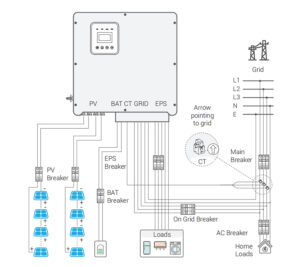
Solar performance depends on more than clean panels. The inverter, batteries, cables, protective devices, and electrical connections must also work correctly.
Dust may collect around equipment ventilation openings, depending on the installation. Restricted airflow can contribute to overheating, so keep equipment areas clean according to the manufacturer’s guidance.
Have a qualified technician inspect electrical components when necessary. Never open electrical equipment or attempt repairs without appropriate training.
Can You Improve Solar Efficiency Without Buying More Panels?
Yes, sometimes. If dust is reducing panel output, cleaning and maintenance may restore some lost generation without requiring additional panels.
Before upgrading your system, investigate the actual cause of poor performance. Check panel cleanliness, shading, inverter records, battery condition, and household energy consumption.
For example, a homeowner may assume more panels are necessary because batteries no longer charge fully. However, cleaning the existing panels and correcting another maintenance issue might improve charging, depending on the original problem.
If production remains insufficient after these checks, a professional assessment can determine whether additional capacity is justified.
Choosing Reliable Solar Equipment for Abuja Conditions
A well-designed solar installation should account for local weather, installation conditions, maintenance access, and household electricity requirements. Quality equipment is important, but correct installation and ongoing care also influence performance.
Jeho Ashar Energy supplies solar panels, hybrid and high-voltage inverters, lithium batteries, mounting rails, cables, and protective devices for residential and commercial installations. Choosing suitable components and having them installed correctly can help support dependable operation.
Before buying new equipment, discuss your energy needs and installation conditions with a qualified solar professional. You can explore available products and solar solutions at https://www.abujasolar.com.
Conclusion
Abuja’s dusty environment can affect solar efficiency by reducing the sunlight reaching panel surfaces. Dust accumulation may lower electricity production, slow battery charging, and increase maintenance requirements. However, regular inspections, safe cleaning, and proper system monitoring can help minimize these effects.
Remember that dust is only one possible cause of reduced solar output. Weather changes, shading, electrical faults, and increased energy consumption can produce similar symptoms. Identifying the actual problem helps you protect your investment and avoid unnecessary equipment purchases.
Final Thought
Clean panels help your solar system make better use of available sunlight. Inspect your installation regularly, monitor its performance, and address problems before they become costly.
Learn more about quality solar solutions at https://www.abujasolar.com