
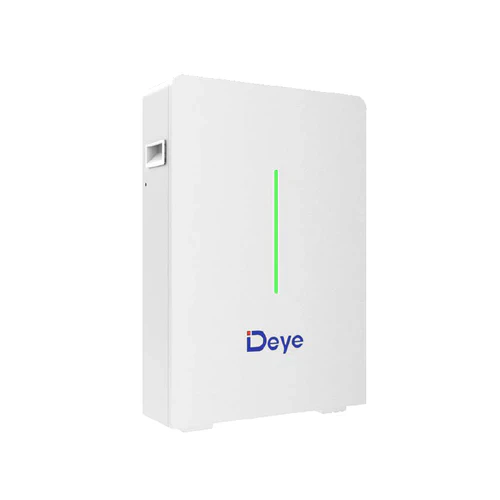
A lithium battery reaching 100% sounds simple. However, many solar users have questions. Does charging stop completely? Can the battery overcharge? Does staying full damage the battery?
These are important questions for solar users. Lithium batteries are designed for controlled charging. Modern batteries also include built-in protection systems. Therefore, reaching 100% does not normally mean danger.
However, what happens after reaching full charge matters. The battery management system controls this process. Your inverter also plays an important role. Together, they help maintain safe battery operation.
This guide explains what happens when lithium batteries reach 100%. It also explains charging behavior, battery protection, and useful maintenance tips.
What Does 100% Battery Charge Mean?
A battery showing 100% is fully charged. It has reached its configured charging limit. At this point, the battery should not continue receiving unlimited current.
Instead, the charging process changes.
The inverter reduces or stops charging current. The battery management system also monitors conditions. Consequently, the battery remains within safe operating limits.
However, 100% does not always mean every cell behaves identically. The BMS helps manage these differences. It monitors individual cells and balances them when required.
Does a Lithium Battery Stop Charging at 100%?
Yes, charging current normally reduces significantly.
The inverter and BMS work together. They prevent continued uncontrolled charging. Therefore, a properly configured lithium battery should not keep charging indefinitely.
The exact charging behavior depends on the battery. It also depends on the inverter configuration.
Some systems may:
- Stop charging completely.
- Reduce charging current.
- Enter a standby state.
- Perform cell balancing.
- Maintain a controlled voltage.
Therefore, reaching 100% is normally part of normal operation.
What Happens Inside the Battery?
Lithium batteries contain multiple individual cells. These cells work together as one battery pack.
As charging approaches full capacity, the battery voltage rises. Charging current then gradually decreases.
The Battery Management System monitors these conditions. It ensures the cells remain within safe limits.
At full charge, the BMS can control charging activity. It may also balance individual cells.
As a result, the battery remains ready for use. It can begin supplying power whenever needed.
What Is Cell Balancing?
Cell balancing is an important BMS function.
Lithium batteries contain multiple cells. These cells may not always have exactly identical voltage levels.
For example, one cell might reach its limit slightly earlier. Another cell may still need additional charging.
The BMS helps manage these differences.
Cell balancing can:
- Improve battery consistency.
- Protect individual cells.
- Support battery performance.
- Reduce cell imbalance.
- Improve usable capacity.
Therefore, reaching 100% can sometimes allow balancing activity.
Can Lithium Batteries Overcharge?
A properly designed lithium battery should have overcharge protection.
Modern batteries typically include a Battery Management System. The BMS monitors voltage and charging conditions.
If unsafe conditions are detected, protection can activate.
However, this does not mean overcharging is acceptable. Users should never deliberately exceed manufacturer limits.
Always use compatible charging equipment. Also, follow the battery manufacturer’s recommended settings.
Can Staying at 100% Damage a Lithium Battery?
Constantly remaining at 100% can increase battery stress. However, the impact depends on battery chemistry and design.
Occasionally reaching 100% is generally normal. Solar systems may naturally charge batteries fully during sunny periods.
However, keeping batteries at maximum charge continuously may contribute to faster degradation over time. Therefore, system settings should match the manufacturer’s recommendations.
For many solar applications, full charging is useful. It ensures maximum available energy for backup periods.
The key is balanced battery management.
Why Solar Batteries Often Reach 100%
Solar systems commonly charge batteries during daylight.
Imagine a home using little electricity during midday. The solar panels continue producing energy.
Eventually, the battery reaches full charge.
At that point, the system changes how power flows. The solar energy can supply household loads directly. Excess production may also be curtailed or directed elsewhere.
Consequently, reaching 100% is not a problem. It simply means the battery has reached its available charging capacity.
What Happens After 100% During Solar Charging?
Once the battery reaches full charge, several things can happen.
The exact response depends on the system design.
Solar Power Supplies Loads
The solar panels can continue powering connected appliances. Therefore, household energy may come directly from solar production.
Charging Current Reduces
The inverter can reduce battery charging current. This helps maintain safe battery conditions.
Excess Solar Production Is Curtailed
If there are no additional loads, some solar production may not be used.
This is normal system behavior.
Battery Enters Standby
The battery can remain available for later use. When a load appears, it can begin discharging.
Therefore, the battery does not need constant charging activity.
What Happens When Loads Start Using Power?
Suppose your battery reaches 100% at noon.
Later, you switch on several appliances. The battery may begin supplying energy if solar production cannot cover the loads.
The battery percentage then begins decreasing.
For example:
100% → 98% → 95% → 90%
This is normal.
The battery does not need to remain at 100%. Its purpose is to store energy for later use.
Does Reaching 100% Improve Battery Health?
Reaching 100% does not automatically improve battery health.
However, periodic full charging can be useful. Some lithium battery systems may require full charging occasionally for accurate state-of-charge tracking or cell balancing.
The specific recommendation depends on the battery manufacturer.
Therefore, avoid making assumptions about charging habits. Always check the battery’s technical documentation.
How Deye Lithium Batteries Handle Full Charging
Deye lithium batteries are designed for modern solar energy storage. Their integrated Battery Management Systems monitor important battery conditions.
These systems can help manage:
- Battery voltage
- Charging current
- Temperature
- Cell balance
- Discharging conditions
- Protection limits
When the battery reaches its configured full-charge level, the BMS helps regulate further charging.
However, correct inverter configuration remains essential.
A battery and inverter should always be properly matched.
Why Inverter Settings Matter
Your inverter controls much of the charging process.
Incorrect settings can cause poor battery performance. They may also affect charging behavior and battery lifespan.
Important settings can include:
- Maximum charging voltage
- Charging current
- Battery type
- Float settings
- Low-voltage protection
- Battery communication
- State-of-charge limits
Therefore, these settings should not be changed randomly.
If you use a Deye lithium battery with a compatible Deye inverter, proper communication can improve system control.
Should You Keep Your Battery Below 100%?
There is no universal answer.
Some systems are designed for regular full charging. Others may benefit from limiting the maximum state of charge.
The correct approach depends on:
- Battery chemistry
- Manufacturer recommendations
- Solar usage pattern
- Backup requirements
- Inverter settings
- Expected battery lifespan
For example, a business requiring maximum backup capacity may need full charging regularly.
Meanwhile, another system may prioritize long-term battery optimization.
Therefore, follow the battery manufacturer’s guidance.
Tips for Healthy Lithium Battery Charging
To support long-term battery performance, follow these practices:
- Use the correct inverter.
- Follow recommended charging limits.
- Avoid unauthorized settings changes.
- Keep batteries away from excessive heat.
- Maintain proper ventilation.
- Monitor battery alarms.
- Use genuine batteries.
- Keep communication cables properly connected.
- Follow manufacturer instructions.
- Use qualified installers.
Additionally, avoid unnecessary deep discharges.
Proper charging is only one part of battery care.
Common Mistakes to Avoid
Many battery problems come from incorrect assumptions.
Mistake 1: Thinking 100% Means Unlimited Charging
A full battery should not continue receiving uncontrolled current.
The BMS helps prevent this.
Mistake 2: Changing Charging Settings Randomly
Incorrect settings can affect battery performance.
Always use recommended values.
Mistake 3: Ignoring Battery Temperature
Excessive heat can accelerate battery degradation.
Keep batteries in suitable environments.
Mistake 4: Using Incompatible Equipment
The inverter and battery must work together.
Compatibility is especially important for communication.
Mistake 5: Buying Batteries From Unverified Sources
Counterfeit or poor-quality batteries may lack proper protection.
Therefore, always purchase genuine products.
Why Choose Quality Lithium Batteries?
Battery quality affects safety and performance.
Quality lithium batteries typically include better protection systems. They also use reliable cells and monitoring technology.
For solar applications, LiFePO₄ batteries are widely preferred. They offer strong thermal stability and long cycle life.
Jeho Ashar Energy supplies quality Deye lithium batteries. The company also provides Deye inverters, genuine Jinko Solar panels, cables, protection devices, and other solar components.
A properly designed system helps every component work efficiently.
You can explore solar products and solutions at https://www.abujasolar.com.
Conclusion
So, what happens when lithium batteries reach 100%?
The charging process normally reduces or stops. The BMS monitors the battery carefully. The inverter also controls charging according to its settings.
Reaching 100% is normal for properly designed systems. However, continuously keeping a battery fully charged may affect long-term degradation in some applications.
Therefore, proper configuration remains important. Use compatible equipment and follow manufacturer recommendations. Also, maintain suitable temperatures and installation conditions.
Most importantly, never bypass the battery’s protection system.
Final Thought
A lithium battery reaching 100% is not something to fear. It is a normal part of solar energy storage. What matters most is how the battery is managed.
Quality equipment, correct settings, and professional installation can protect your investment for years.
Learn more about quality solar solutions at https://www.abujasolar.com
