
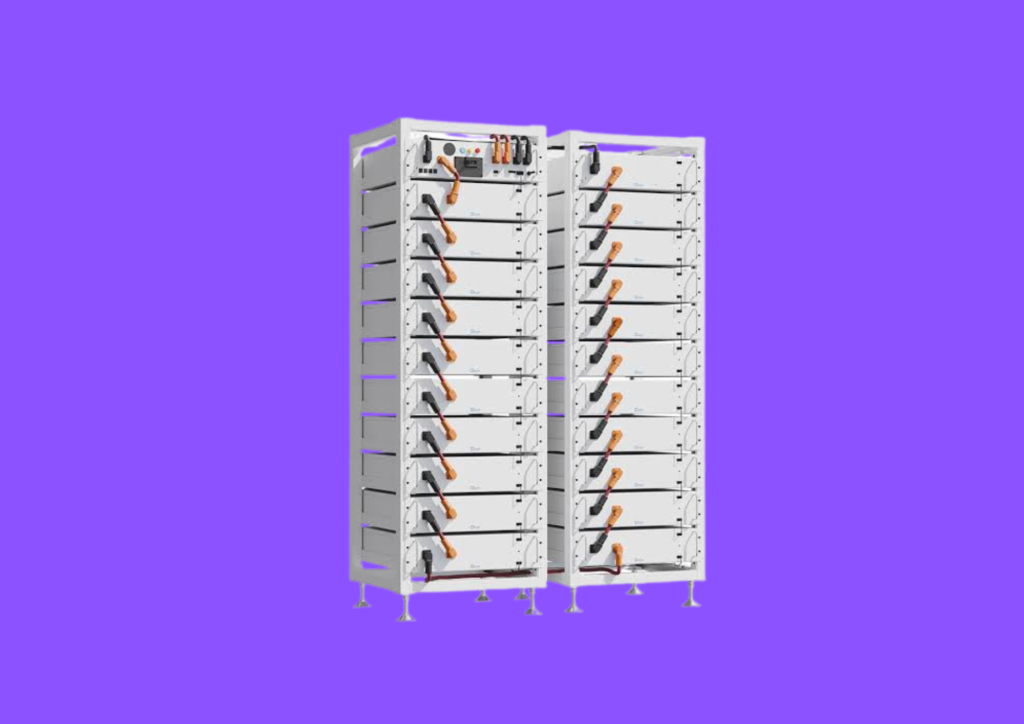
Reliable electricity remains a major concern for many Nigerians. Homes, businesses, hospitals, and industries need dependable power. However, grid interruptions can affect daily activities. Generators provide backup, but fuel costs remain significant. This has increased interest in solar energy and battery storage let’s look at the Future of Battery Storage in Nigeria.
Solar panels generate electricity during daylight hours. Batteries store excess energy for later use. This allows households to use solar power at night. It also provides backup during electricity outages. As technology improves, battery storage is becoming more important.
The future of battery storage in Nigeria looks promising. Better technology may improve affordability and performance. More households and businesses are also exploring alternatives. Understanding these developments helps consumers make informed decisions.
Why Battery Storage Matters in Nigeria
Nigeria has several electricity supply challenges. Many communities experience inconsistent grid power. Some businesses depend heavily on generators. Meanwhile, households spend money maintaining backup systems.
Battery storage offers another way to manage electricity. It stores energy when supply is available. That energy can then support appliances when needed. Consequently, homes can become less dependent on generators.
Battery systems also support renewable energy adoption. Solar panels produce electricity when sunlight is available. However, household demand continues after sunset. Batteries help bridge that gap.
For businesses, reliable storage can protect operations. Shops can keep essential equipment running. Offices can maintain important services during outages. Hospitals and other critical facilities may also benefit from suitable backup systems.
1. Lithium Batteries Will Become More Important
Lithium batteries have become popular in modern solar installations. They offer several advantages over traditional lead-acid batteries. These include higher usable capacity and relatively low maintenance.
One widely used type is lithium iron phosphate. It is commonly called LiFePO4. Many solar applications use this battery chemistry. It offers a useful combination of safety, cycle life, and performance.
Why Lithium Technology Is Attracting Attention
Lithium batteries provide several practical benefits:
- Higher usable energy from rated capacity.
- Faster charging under suitable conditions.
- Lower routine maintenance requirements.
- Compact designs for different installations.
- Long cycle life in suitable operating conditions.
- Compatibility with selected hybrid inverters.
These benefits make lithium attractive for homes and businesses. However, not every lithium battery offers identical performance. Capacity, cycle life, warranty, and operating limits vary.
As demand grows, product choices may also expand. Competition could encourage better pricing and improved availability. However, affordability will depend on supply chains and exchange rates.
2. Battery Prices and Accessibility May Improve
Battery prices influence solar adoption in Nigeria. Many households want reliable backup power. However, the initial cost can be difficult to manage.
Several factors influence battery prices. These include manufacturing costs, raw materials, transportation, and exchange rates. Import duties and local distribution expenses may also affect final prices.
As global production expands, manufacturing efficiency may improve. This could support more competitive prices over time. However, lower prices are not guaranteed. Currency movements and international supply conditions remain important.
What This Could Mean for Nigerian Consumers
More accessible battery options could help different customer groups. Small homes may find suitable storage systems. Businesses may consider larger battery installations. Rural communities could also explore independent solar solutions.
Consumers should still compare quality carefully. A very cheap battery may not provide good value. Check the rated capacity, usable energy, warranty, and certification. Also, buy from suppliers who can explain the product specifications.
3. Larger Battery Capacities Will Support More Applications
Battery storage is not limited to small household systems. Larger installations can support commercial and industrial operations. This is especially important for businesses with continuous electricity needs.
Modern battery products are available in different capacities. Smaller batteries may support essential household appliances. Larger units can serve offices, factories, and commercial facilities.
For example, a small home may need backup for lights, fans, and television. A supermarket may require refrigeration and lighting support. A factory may need storage for selected production equipment.
The required capacity depends on actual energy consumption. It also depends on how long backup power is needed. Therefore, system sizing must begin with a load assessment.
4. Solar and Battery Systems Will Become More Integrated
The future of solar energy involves more than panels. Modern systems combine generation, storage, and intelligent power management. Hybrid inverters already help manage these different energy sources.
A hybrid inverter can coordinate power from solar panels, batteries, and the grid. Depending on its model, it may also support generator input. This allows users to manage available electricity more effectively.
The Role of Smart Monitoring
Monitoring technology is becoming increasingly useful. Some systems allow users to check performance through applications. They can view battery levels and solar production. They may also identify unusual operating patterns.
This information helps users make better energy decisions. For example, households can monitor nighttime battery consumption. Businesses can identify periods of high electricity demand. Installers can also use performance data during maintenance.
However, monitoring features vary between products. Check the inverter and battery specifications before purchasing. Confirm whether communication between both devices is supported.
5. Battery Storage Could Reduce Generator Dependence
Generators remain common across Nigerian homes and businesses. They provide backup during grid interruptions. However, fuel expenses can become substantial. Maintenance and noise also create additional challenges.
Battery storage can reduce generator operating hours. Solar energy can charge batteries during daylight. Stored electricity can then power selected appliances. This may reduce the need to start generators frequently.
For example, a household may use solar power during the day. Batteries can support essential appliances at night. A generator may only be needed during prolonged cloudy periods or unusually high demand.
However, batteries do not eliminate every backup requirement. Their capacity must match the expected load. Extended outages may also require additional energy sources.
6. Commercial and Industrial Battery Storage Will Expand
Businesses need electricity for daily operations. Power interruptions can affect sales and productivity. They can also damage sensitive equipment when systems are poorly protected.
Battery storage offers businesses another energy management option. It can support essential loads during outages. It can also work alongside solar installations and grid supply.
Potential applications include:
- Offices and commercial buildings.
- Supermarkets and cold-storage facilities.
- Hotels and hospitality businesses.
- Hospitals and healthcare centres.
- Manufacturing and processing facilities.
- Telecommunications and data infrastructure.
Large facilities require careful planning. Their energy needs may be much higher. Some equipment also has demanding starting currents. Therefore, professional system design is essential.
7. Battery Safety and Quality Will Become More Important
Growing demand creates more product choices. However, consumers must pay attention to safety. Not every battery sold in the market offers equal quality.
A reliable battery should have clear specifications. It should also include appropriate protection features. For lithium batteries, a Battery Management System is particularly important.
The BMS monitors battery operating conditions. It helps protect against certain electrical and temperature-related problems. However, it cannot replace correct installation.
Before buying, check the following:
- Manufacturer and product model.
- Rated and usable battery capacity.
- Operating voltage and current limits.
- Cycle-life information and test conditions.
- Warranty terms and service arrangements.
- Inverter compatibility and communication requirements.
- Relevant safety documentation and certifications.
Installation quality matters just as much. Batteries need suitable mounting and ventilation arrangements. Follow manufacturer instructions for spacing and temperature. Use qualified professionals for electrical connections.
8. Recycling and Battery Disposal Will Matter More
Battery adoption brings another important responsibility. Used batteries must be handled properly. Poor disposal can create environmental and safety problems.
Lead-acid batteries contain materials requiring controlled recycling. Lithium batteries also need appropriate collection and processing. Neither type should be treated as ordinary household waste.
As the market grows, recycling systems will become increasingly important. Responsible collection can recover valuable materials. It can also reduce environmental harm.
Consumers should ask suppliers about battery disposal options. They should also follow local environmental requirements. Proper handling protects people and surrounding communities.
9. What Nigerian Homeowners Should Consider Before Buying
Future technology may bring better options. However, the right battery is the one that meets your present needs. Buying based only on brand popularity can lead to poor results.
Consider these factors before investing:
Calculate Your Energy Requirements
List the appliances you want to power. Record their wattage and daily operating hours. Identify which appliances are essential during outages.
Choose Suitable Battery Capacity
Battery capacity determines stored energy. However, usable energy depends on discharge limits. Select a battery that supports your expected consumption.
Confirm Inverter Compatibility
Not every battery works with every inverter. Check voltage requirements and communication protocols. Confirm compatibility with the manufacturer or supplier.
Consider Future Expansion
Your electricity needs may increase later. You might add an air conditioner or freezer. Choose equipment that supports your realistic expansion plans.
Compare Total Ownership Costs
Look beyond the purchase price. Consider usable capacity, warranty, maintenance, and expected lifespan. These factors help reveal long-term value.
10. The Role of Reliable Solar Suppliers
As battery technology develops, product knowledge becomes essential. Consumers need accurate specifications and suitable recommendations. They also need dependable access to quality equipment.
Jeho Ashar Energy supplies solar panels, Deye and Growatt hybrid inverters, and lithium batteries. The company also provides mounting rails, cables, and protective devices. These components support residential, commercial, and industrial solar installations.
For example, a homeowner may need a compact backup system. A business may require larger battery storage. Both installations need carefully matched components.
The right solution starts with understanding energy requirements. It should also consider available installation space and budget. You can explore solar products and solutions at https://www.abujasolar.com.
Conclusion
Battery storage is becoming an important part of Nigeria’s energy future. Improvements in lithium technology may support better performance. Wider product availability could also create more choices. Meanwhile, commercial and residential demand may continue growing.
However, technology alone cannot guarantee reliable electricity. Proper system sizing, quality components, and professional installation remain essential. Consumers must also consider safety and responsible battery disposal.
Final Thought
The future of battery storage offers exciting possibilities. However, making the right choice starts today. Understand your electricity needs before investing. Choose a system designed for reliable, long-term performance.
Learn more about quality solar solutions at https://www.abujasolar.com