Solar energy is becoming more popular every day. Many homeowners and businesses are switching to solar to reduce electricity costs and enjoy reliable power. However, some people consider installing solar systems themselves to save money.
At first, a DIY solar installation may seem like a smart idea. After all, there are many online tutorials and videos available. However, solar systems involve electrical wiring, system design, and safety procedures. One mistake can lead to poor performance, equipment damage, or even serious accidents.
Understanding the risks of DIY solar installation can help you make better decisions. In this article, we will explain why professional installation matters and why it is often the safest option.
What Is DIY Solar Installation?
DIY solar installation means purchasing solar equipment and installing it without professional assistance.
This usually includes:
- Mounting solar panels
- Connecting electrical cables
- Installing batteries
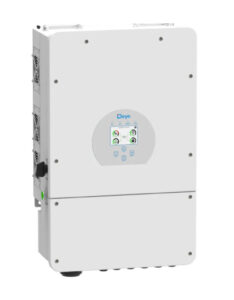
- Setting up inverters
- Configuring system settings
- Testing the complete system
While some small portable systems may be simple, larger residential and commercial systems are much more complex.
Why People Choose DIY Solar Installation
Many people are attracted to DIY solar installation for several reasons.
Lower Initial Cost
The biggest reason is cost savings. Professional installation involves labor charges. Therefore, some people try to avoid these expenses.
Easy Access to Information
There are countless videos and guides online. As a result, many people believe solar installation is easy.
Personal Satisfaction
Some homeowners enjoy handling technical projects themselves. They see solar installation as a rewarding challenge.
However, despite these benefits, the risks often outweigh the savings.
Risk #1: Electrical Shock and Injury
Solar systems produce electricity immediately when exposed to sunlight.
This means installers can face dangerous electrical currents during installation.
Potential dangers include:
- Electric shocks
- Severe burns
- Falls from rooftops
- Equipment accidents
Furthermore, high-voltage battery systems can be especially dangerous.
A simple wiring mistake can cause serious injury. Therefore, proper training is essential.
Risk #2: Incorrect System Sizing
One of the most common mistakes involves system design.
Many people buy equipment without calculating their energy needs properly.
For example:
- Too few panels produce insufficient power.
- Small batteries discharge quickly.
- Undersized inverters overload easily.
As a result, the system fails to meet expectations.
Professional installers perform detailed energy assessments before recommending equipment.
Risk #3: Poor Solar Panel Placement
Solar panel positioning affects performance significantly.
Many DIY installers focus only on available roof space. However, solar panels require proper orientation and tilt.
Common placement mistakes include:
- Installing panels under shade
- Wrong panel angle
- Poor roof positioning
- Ignoring seasonal sunlight changes
Consequently, energy production drops.
Even premium solar panels can perform poorly when installed incorrectly.
Risk #4: Fire Hazards
Improper wiring is one of the biggest dangers in DIY solar installation.
Loose connections can create heat buildup over time.
This may result in:
- Electrical fires
- Melted cables
- Damaged equipment
- Property loss
Furthermore, poor-quality connectors increase the risk.
Solar systems must meet electrical safety standards. Therefore, professional installation remains the safest choice.
Risk #5: Battery Damage
Solar batteries are expensive.
Unfortunately, improper installation can shorten battery lifespan significantly.
Common mistakes include:
- Wrong battery settings
- Poor ventilation
- Incorrect charging parameters
- Improper cable sizing
As a result, batteries may fail years earlier than expected.
In severe cases, batteries can overheat and become hazardous.
Risk #6: Voided Product Warranties
Many solar manufacturers require professional installation.
This condition often appears in warranty agreements.
If a product fails, the manufacturer may reject warranty claims when installation was performed incorrectly.
Affected equipment may include:
- Solar panels
- Inverters
- Batteries
- Charge controllers
Therefore, DIY installation can become more expensive in the long run.
Risk #7: Reduced System Efficiency
A solar system works best when all components operate together correctly.
However, DIY installations often experience:
- Voltage mismatches
- Incorrect settings
- Poor cable management
- Energy losses
Consequently, solar output decreases.
You may invest heavily in equipment yet receive far less energy than expected.
Risk #8: Structural Roof Damage
Solar panels require secure mounting systems.
Incorrect installation can damage roofing materials.
Potential problems include:
- Water leaks
- Cracked roofing sheets
- Weak mounting points
- Structural damage
Furthermore, repairs can be costly.
Professional installers understand proper mounting techniques and weatherproofing methods.
Risk #9: Lack of System Monitoring
Modern solar systems include monitoring features.
These tools help users track:
- Energy generation
- Battery status
- Fault alerts
- Power consumption
However, many DIY installers fail to configure monitoring systems properly.
As a result, problems go unnoticed until major failures occur.
Risk #10: Expensive Repairs Later
Many DIY solar projects seem affordable initially.
However, mistakes often lead to future expenses.
For instance:
- Rewiring costs
- Equipment replacement
- Battery repairs
- System redesign
Consequently, total spending may exceed professional installation costs.
In many cases, technicians must completely rebuild improperly installed systems.
A Realistic Example
Imagine a homeowner installs a solar system independently.
Everything appears fine during the first few weeks.
However, after several months:
- Battery performance declines.
- The inverter shows fault messages.
- Solar production drops.
- Electricity bills increase again.
A technician later discovers incorrect battery settings and poor wiring connections.
The homeowner now pays for repairs that could have been avoided from the start.
This situation is more common than many people realize.
Benefits of Professional Solar Installation
Working with experienced professionals offers several advantages.
These include:
Better System Design
Experts calculate energy needs accurately.
Maximum Efficiency
Panels are positioned for optimal sunlight.
Improved Safety
Proper wiring reduces risks.
Warranty Protection
Manufacturers often require certified installation.
Long-Term Savings
Well-installed systems last longer.
Ongoing Support
Professional companies provide maintenance and troubleshooting assistance.
Tips Before Installing Solar
Before investing in solar, consider these important tips:
- Conduct a proper energy audit.
- Buy quality equipment.
- Verify product warranties.
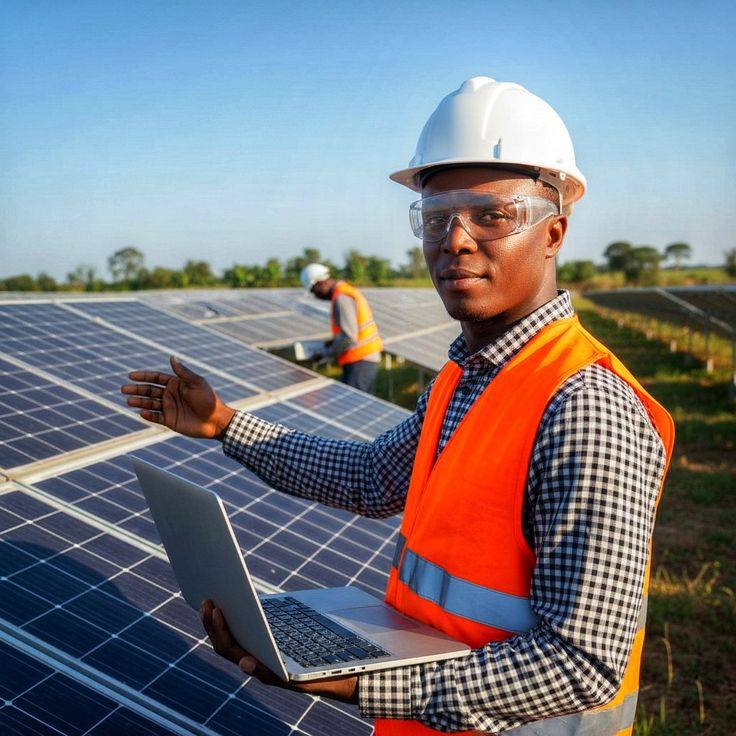
- Work with experienced installers.
- Prioritize safety over cost.
- Plan for future energy needs.
- Choose trusted solar providers.
Above all, remember that solar is a long-term investment.
Why Choose Jeho Ashar Energy?
At Jeho Ashar Energy, we understand that every solar project is unique.
Our team provides professional solar design, installation, maintenance, and support services. We use quality solar panels, reliable batteries, durable cables, and trusted inverter brands to ensure maximum performance.
Furthermore, we focus on safety, efficiency, and customer satisfaction. Whether you need solar for your home, office, school, or business, our experts can recommend the right solution for your needs.
Learn more about solar solutions at Abuja Solar.
Conclusion
DIY solar installation may look attractive at first. However, it comes with significant risks. Electrical hazards, poor performance, battery damage, and costly repairs are just a few of the challenges homeowners face.
Furthermore, mistakes can reduce efficiency and shorten equipment lifespan. Therefore, professional installation remains the safest and most reliable option.
A properly installed solar system delivers better performance, greater safety, and long-term value.
Final Thought
Solar is an investment in your future. Don’t let installation mistakes reduce its benefits. Choose experienced professionals and enjoy reliable, efficient, and worry-free solar power for years to come.
For expert solar installation and support, visit Jeho Ashar Energy Resources.